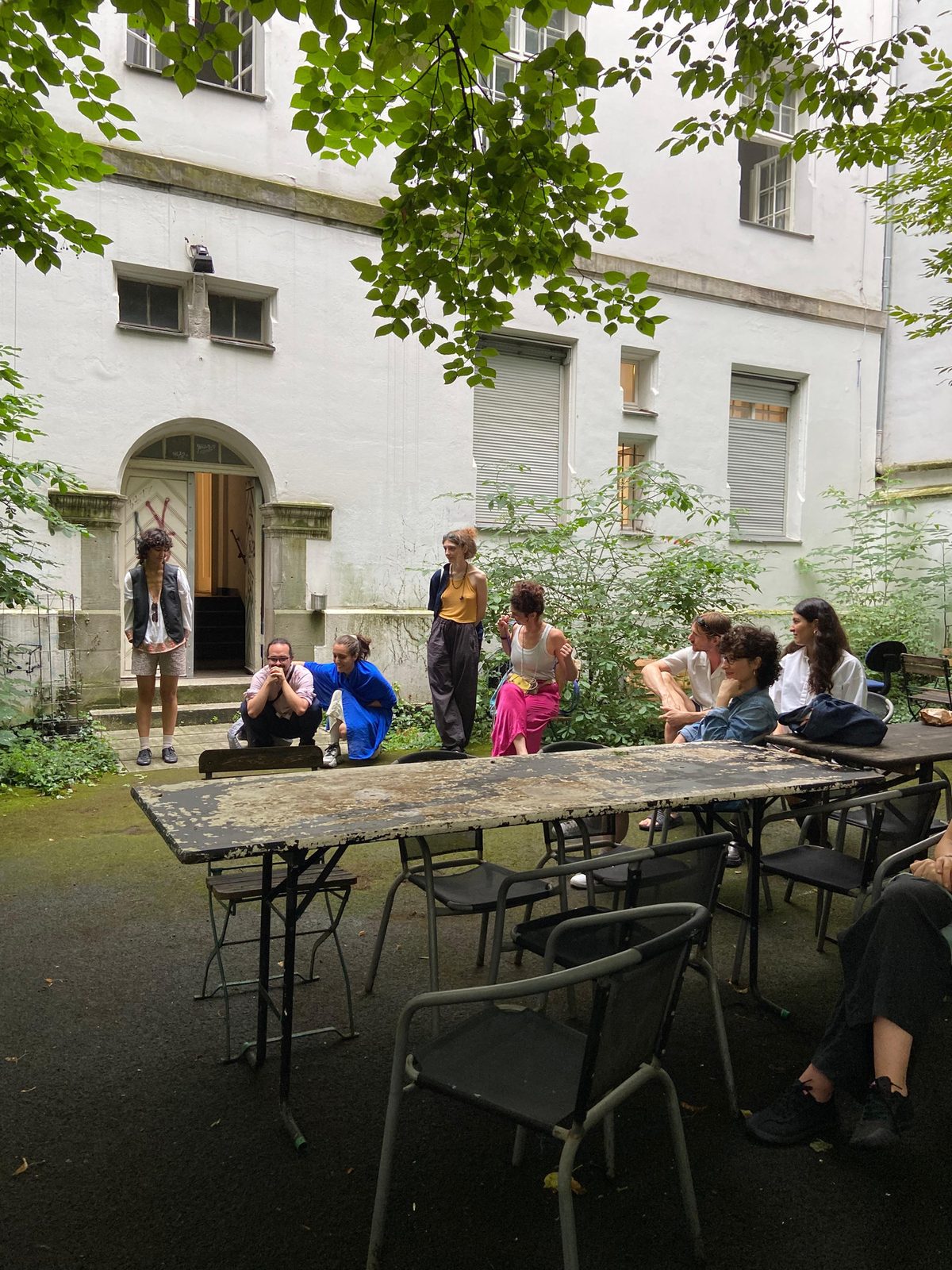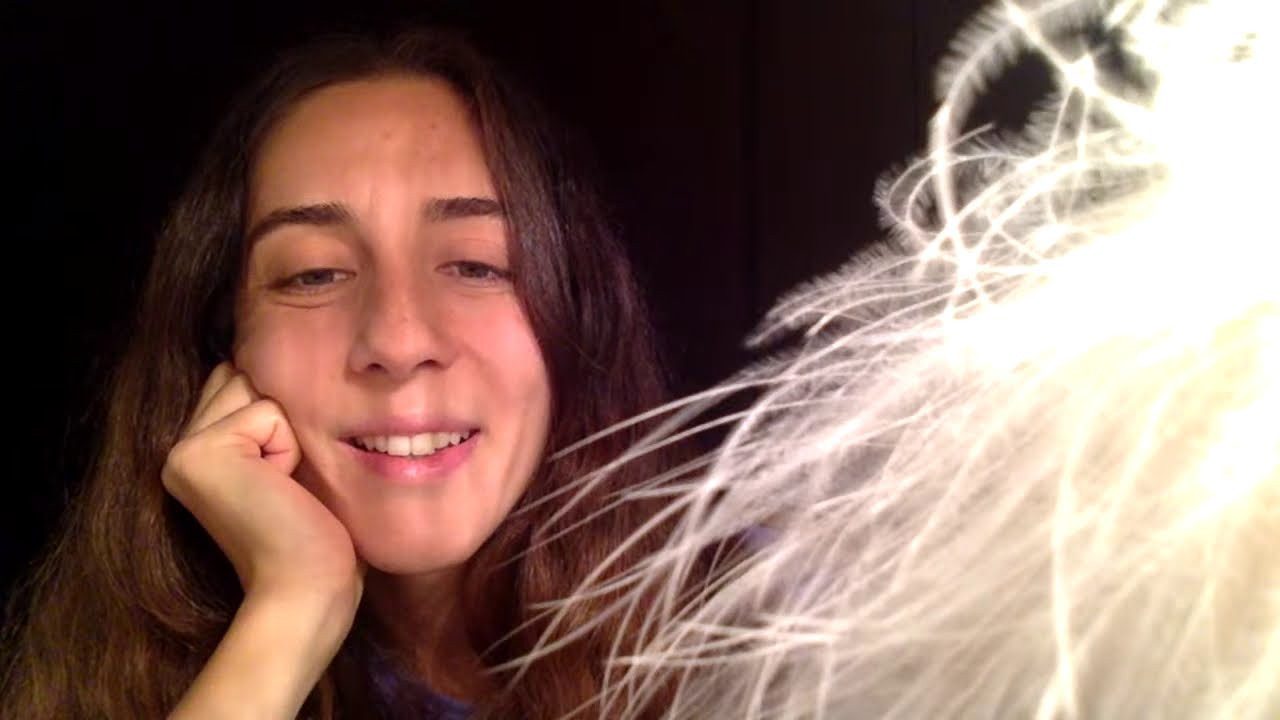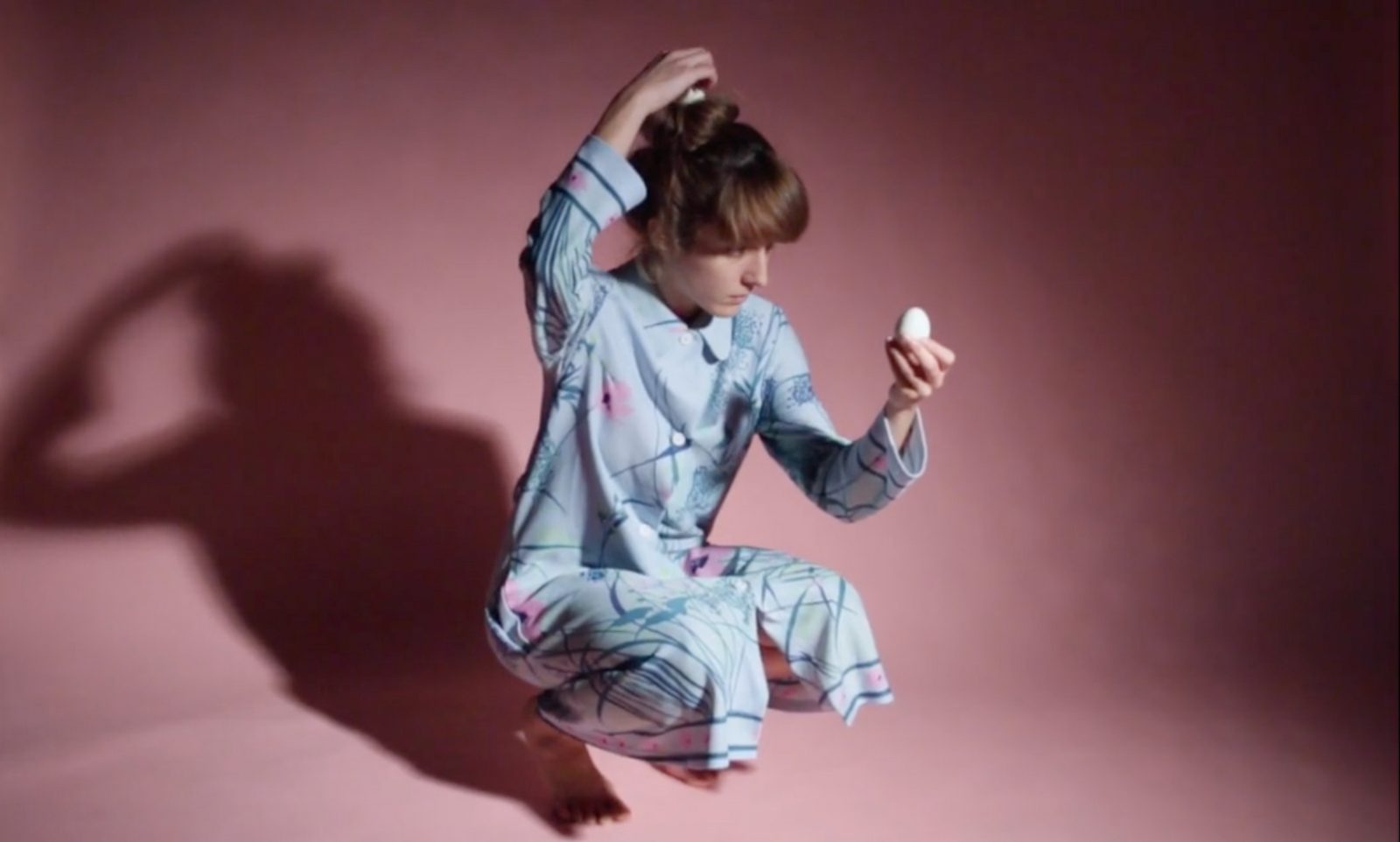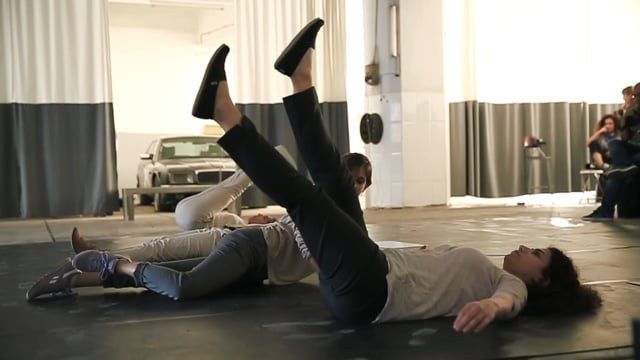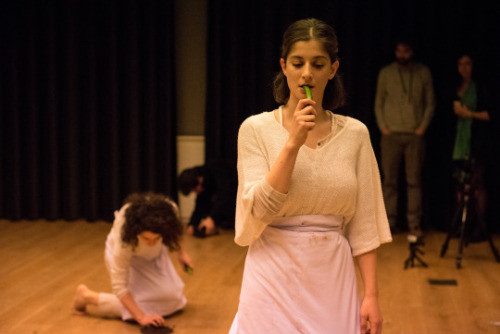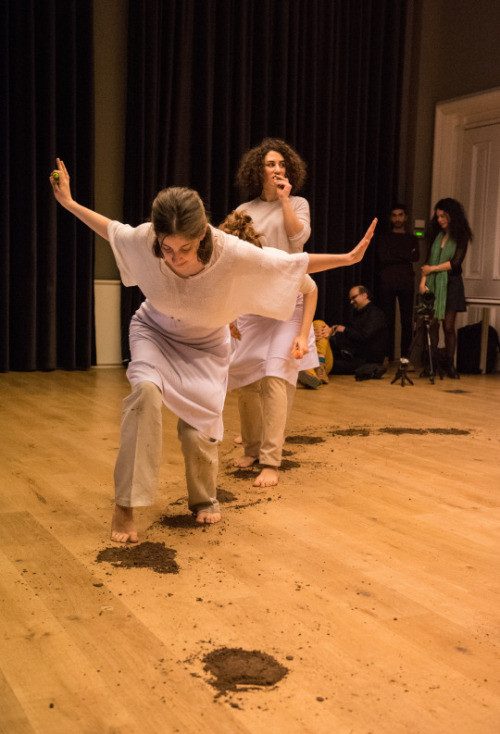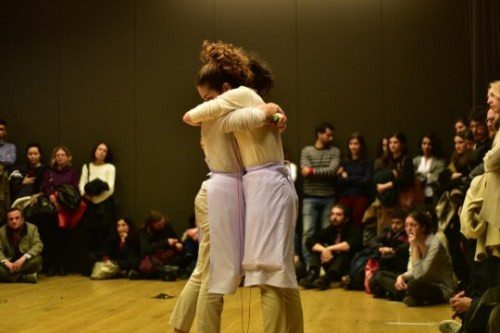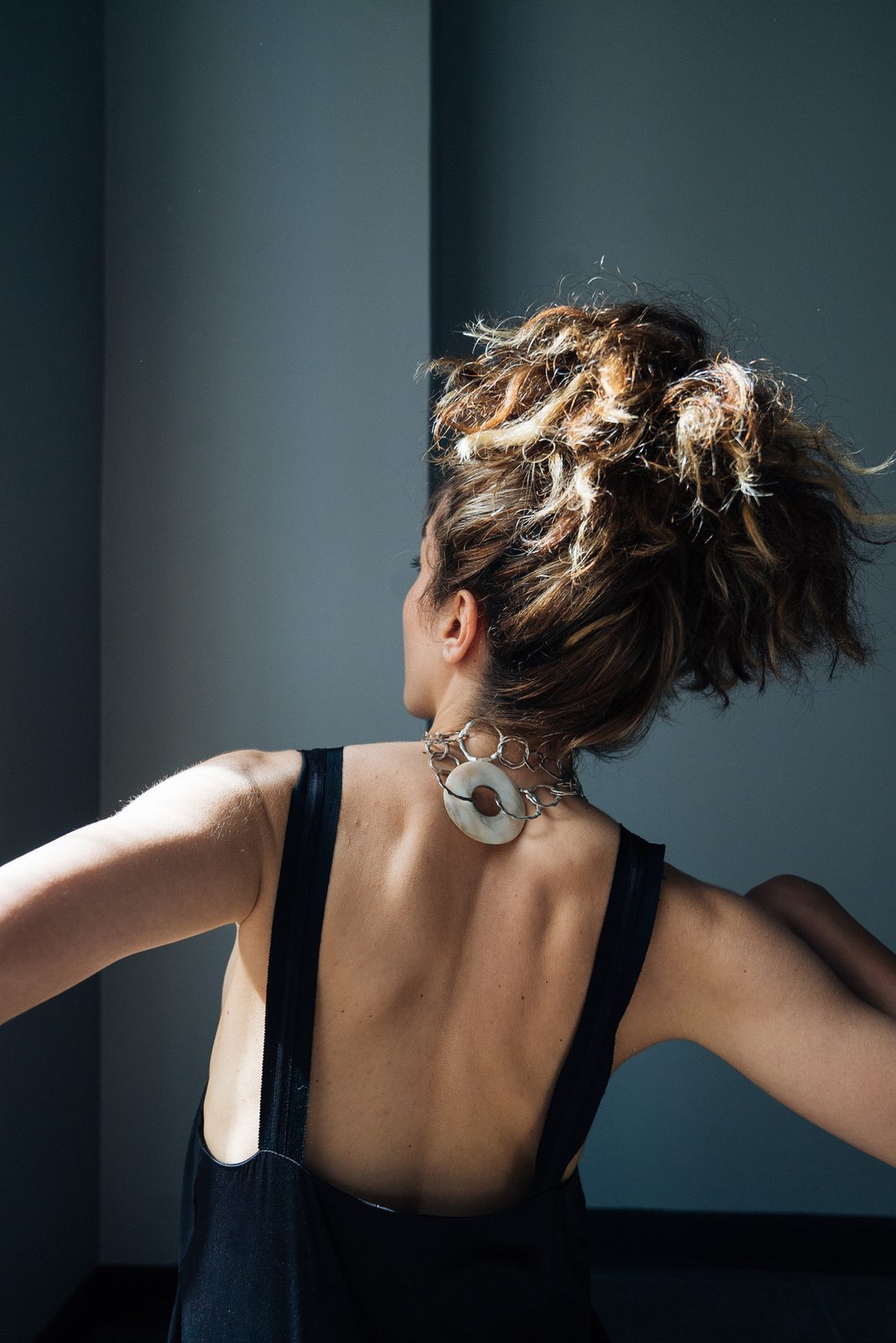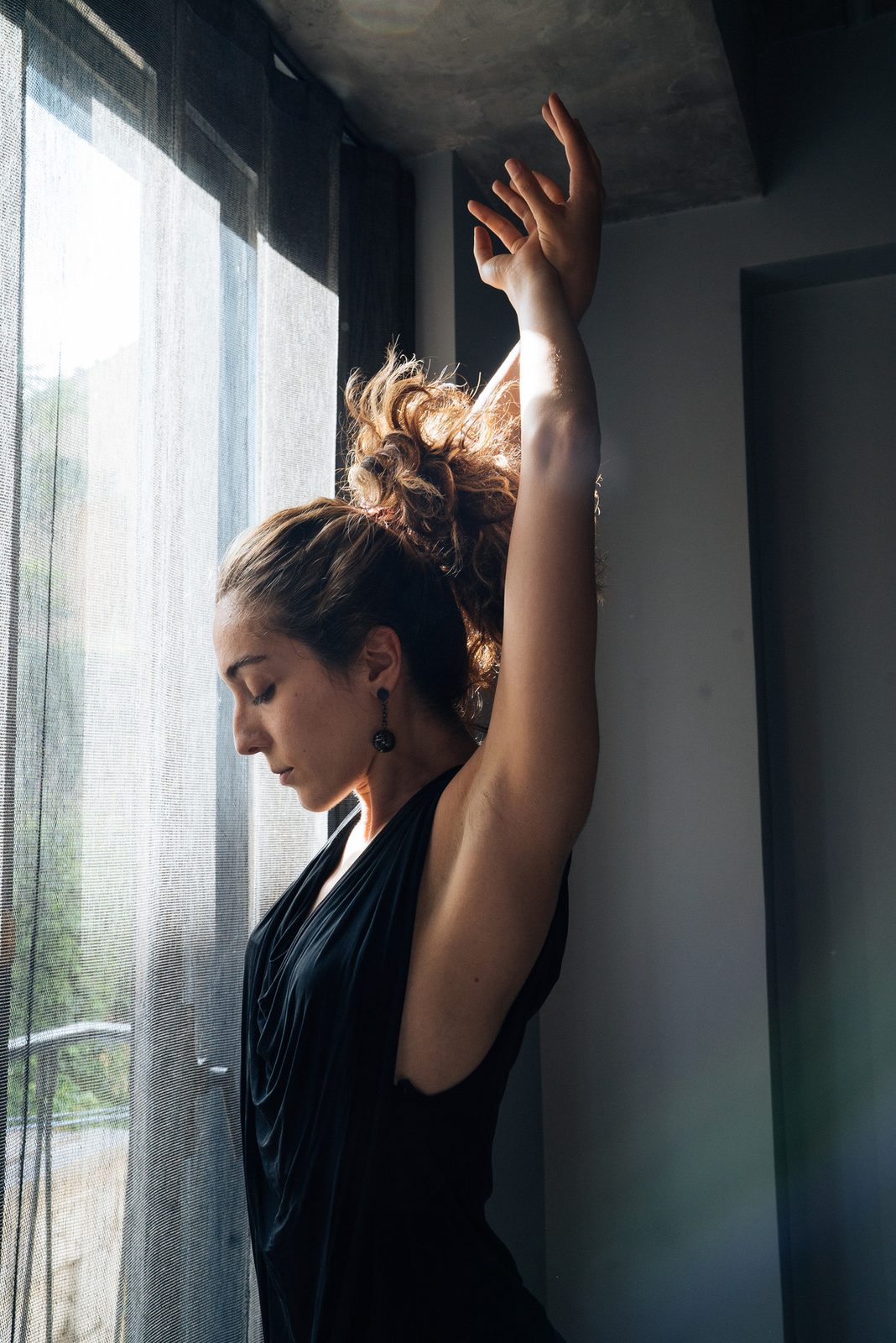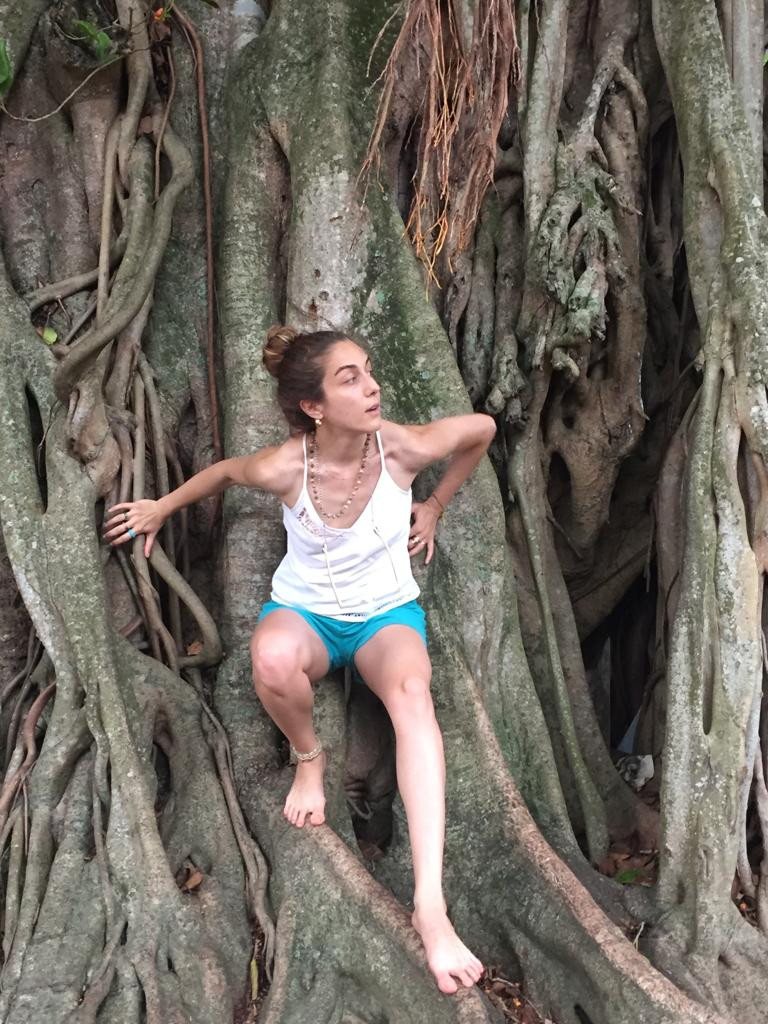
Dila Yumurtacı is an interdisciplinary artist, researcher and facilitator whose practice centers on participatory works at the intersection of dance, ecology and consciousness.
Bringing people together to collaborate, create and experience, her work seeks to foster community and harness the transformative power of movement-based practices. At the core of her practice lies an exploration of alternative modes of being together in more-than-human worlds. Through performances, workshops and retreats, she shares her somatic knowledge to nurture interdependent connections and reimagine the futures we actively co-create.
Dila investigates new modes of resilience, inviting participants to sit with uncertainty and engage in embodied awareness, cultivating shared vulnerability and creativity. She is currently based in Porto, where she continues her PhD in Arts at Universidade Católica Portuguesa.
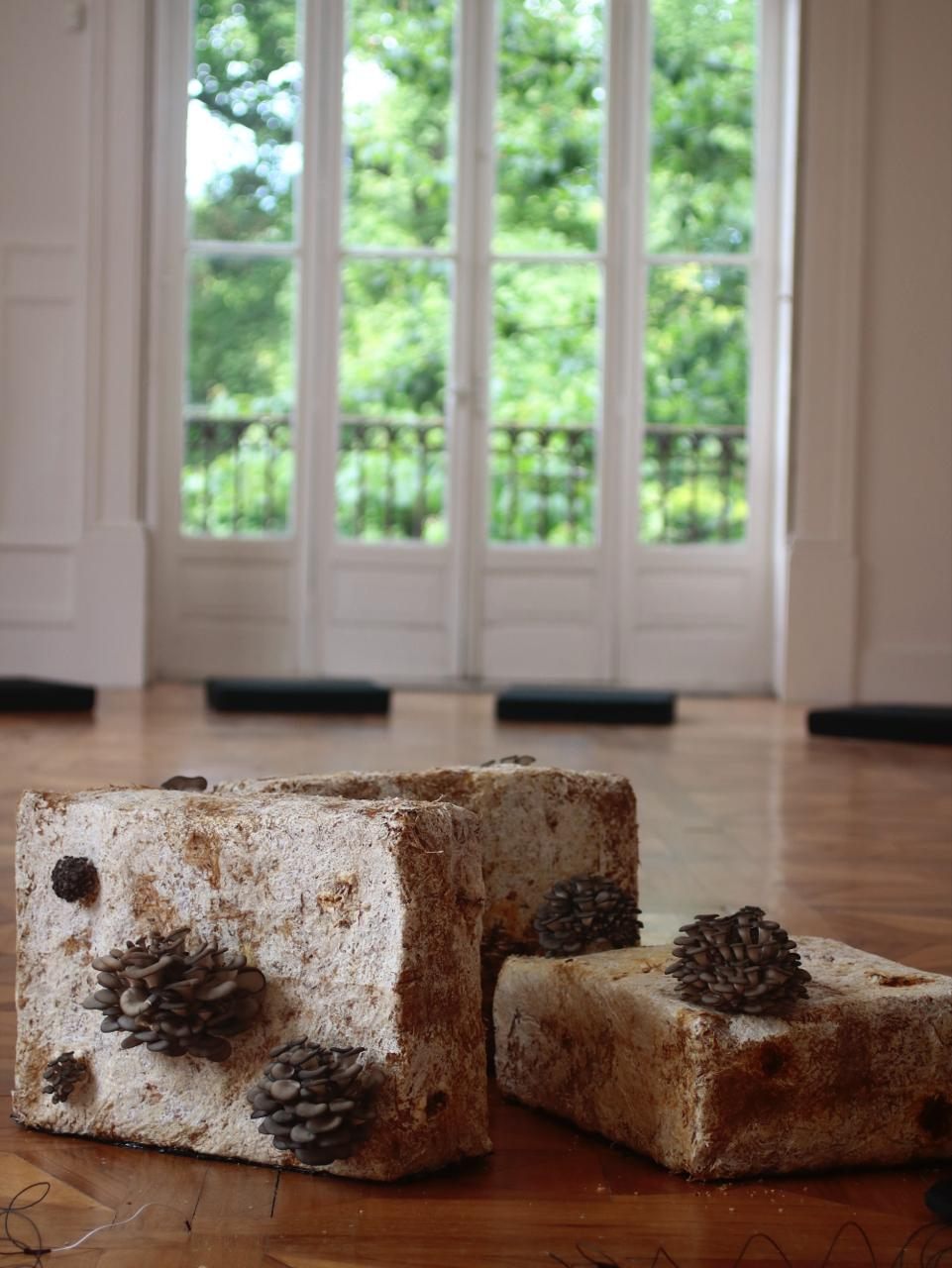
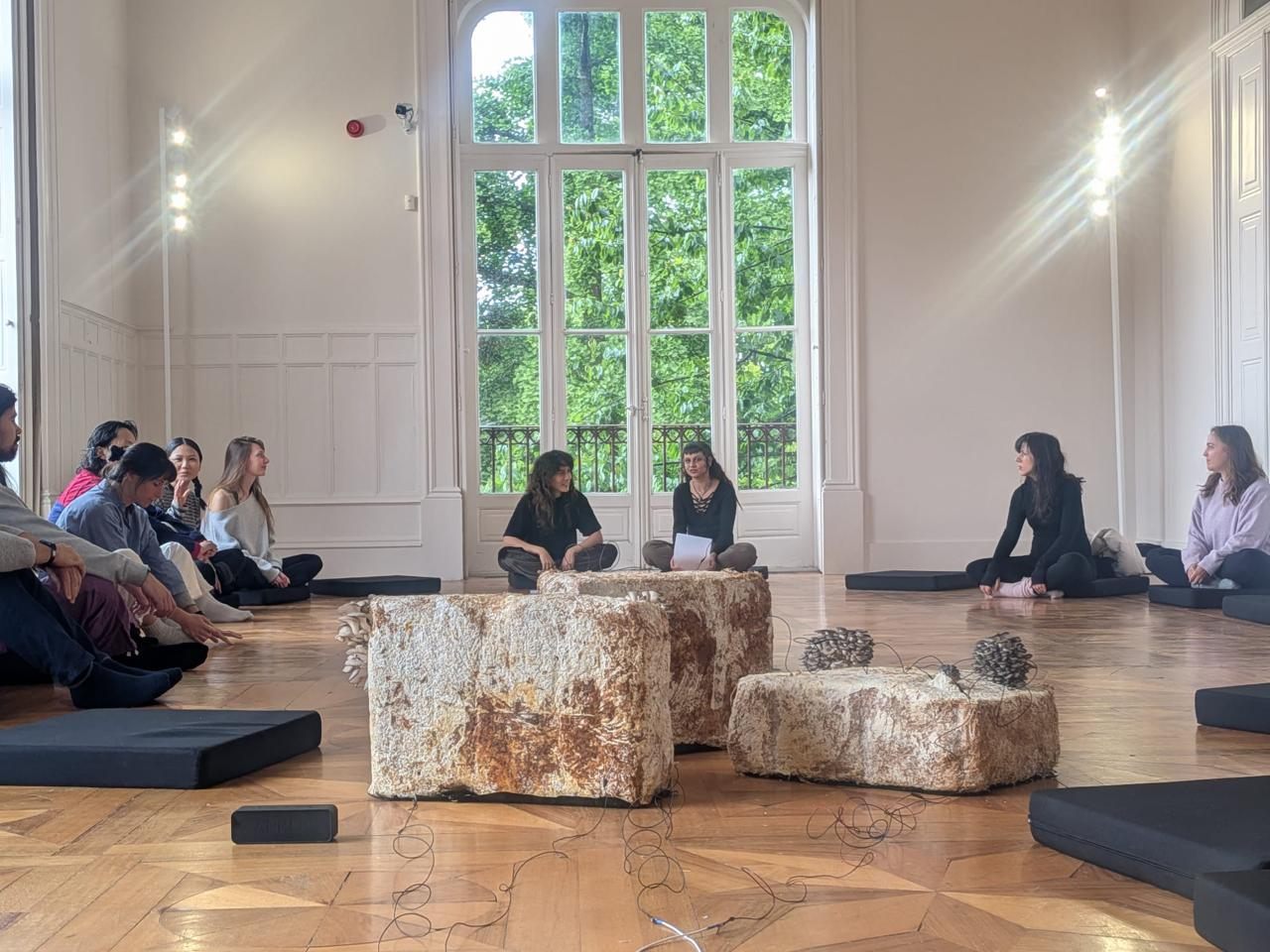
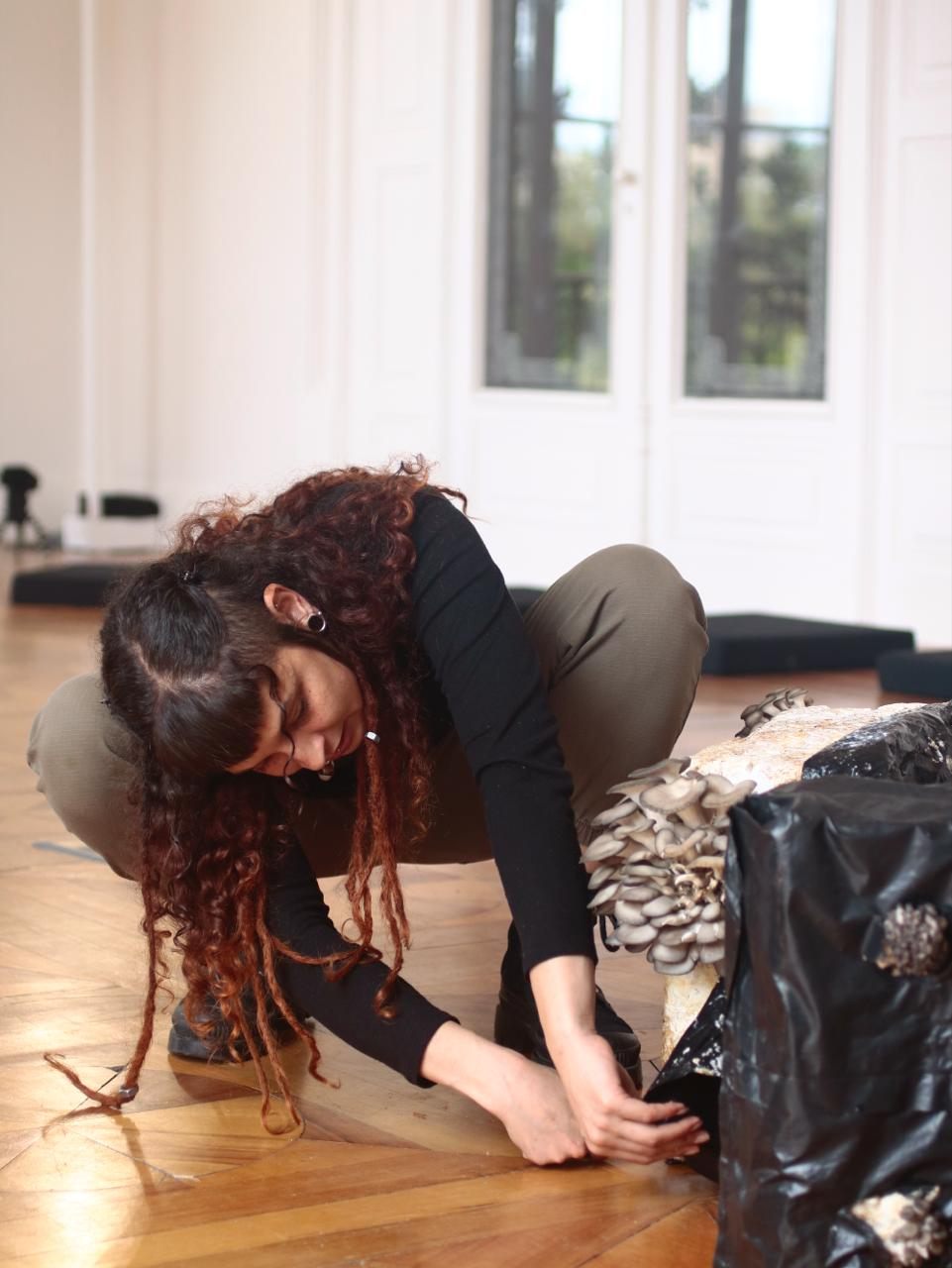
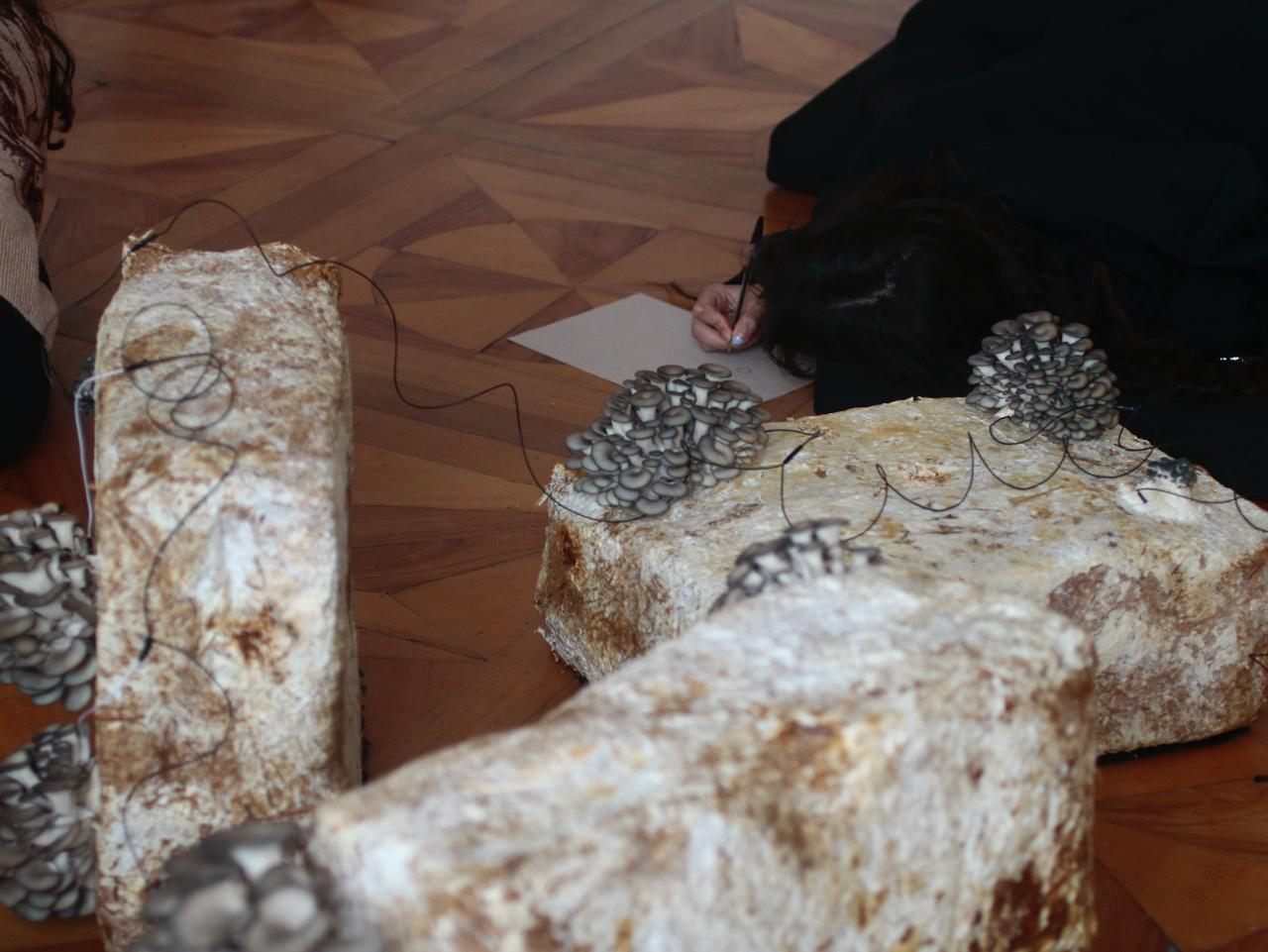
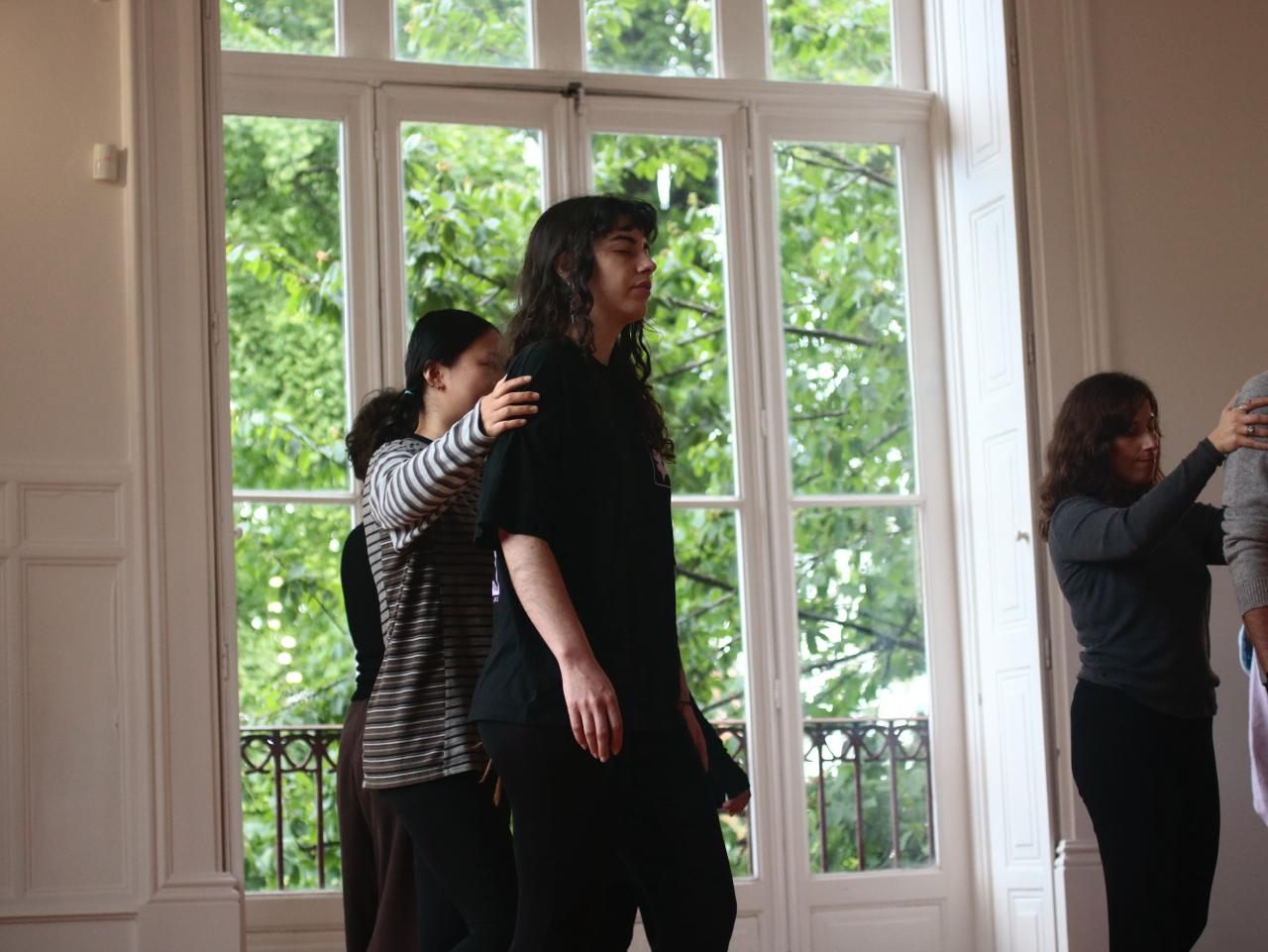
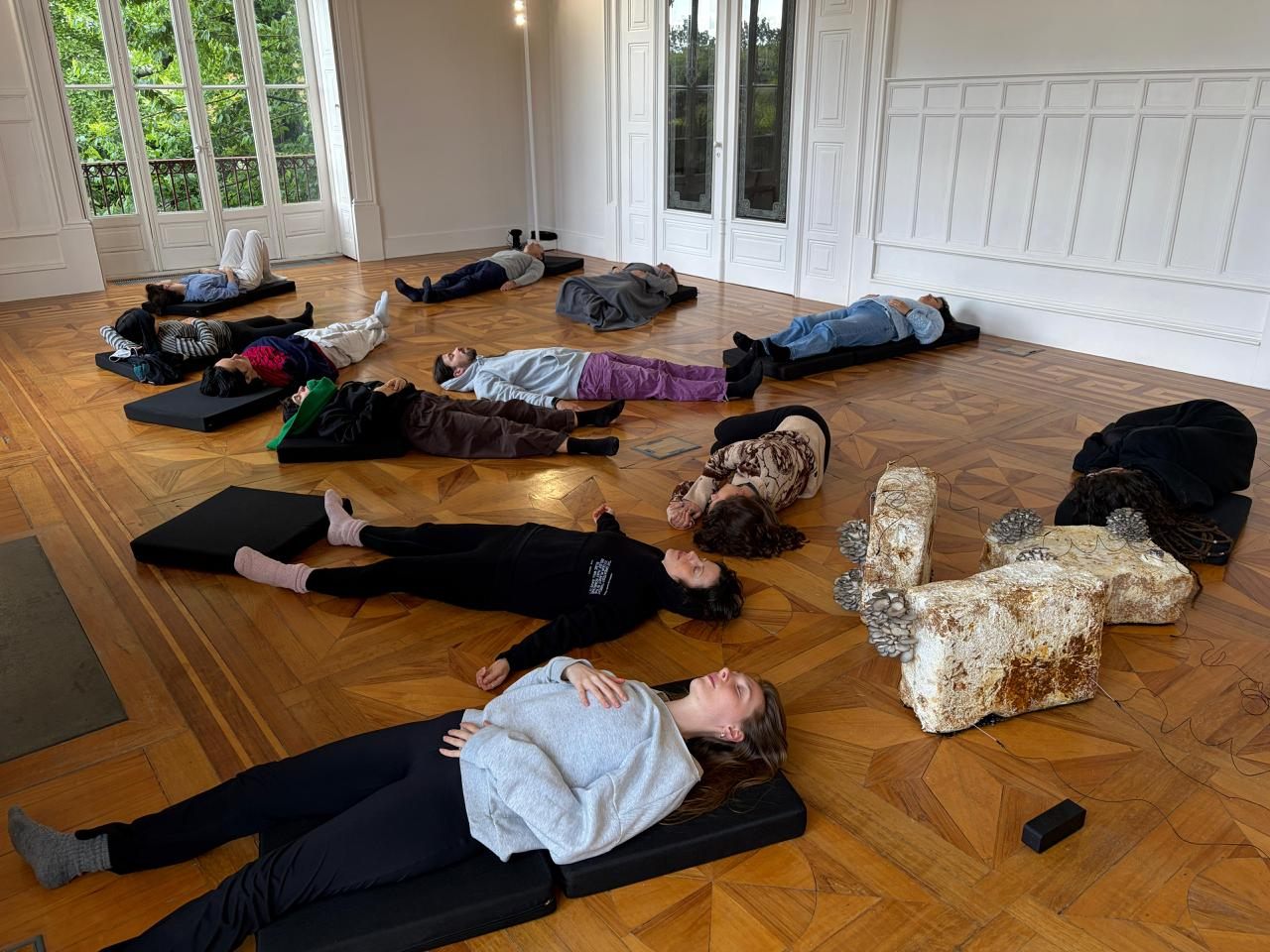
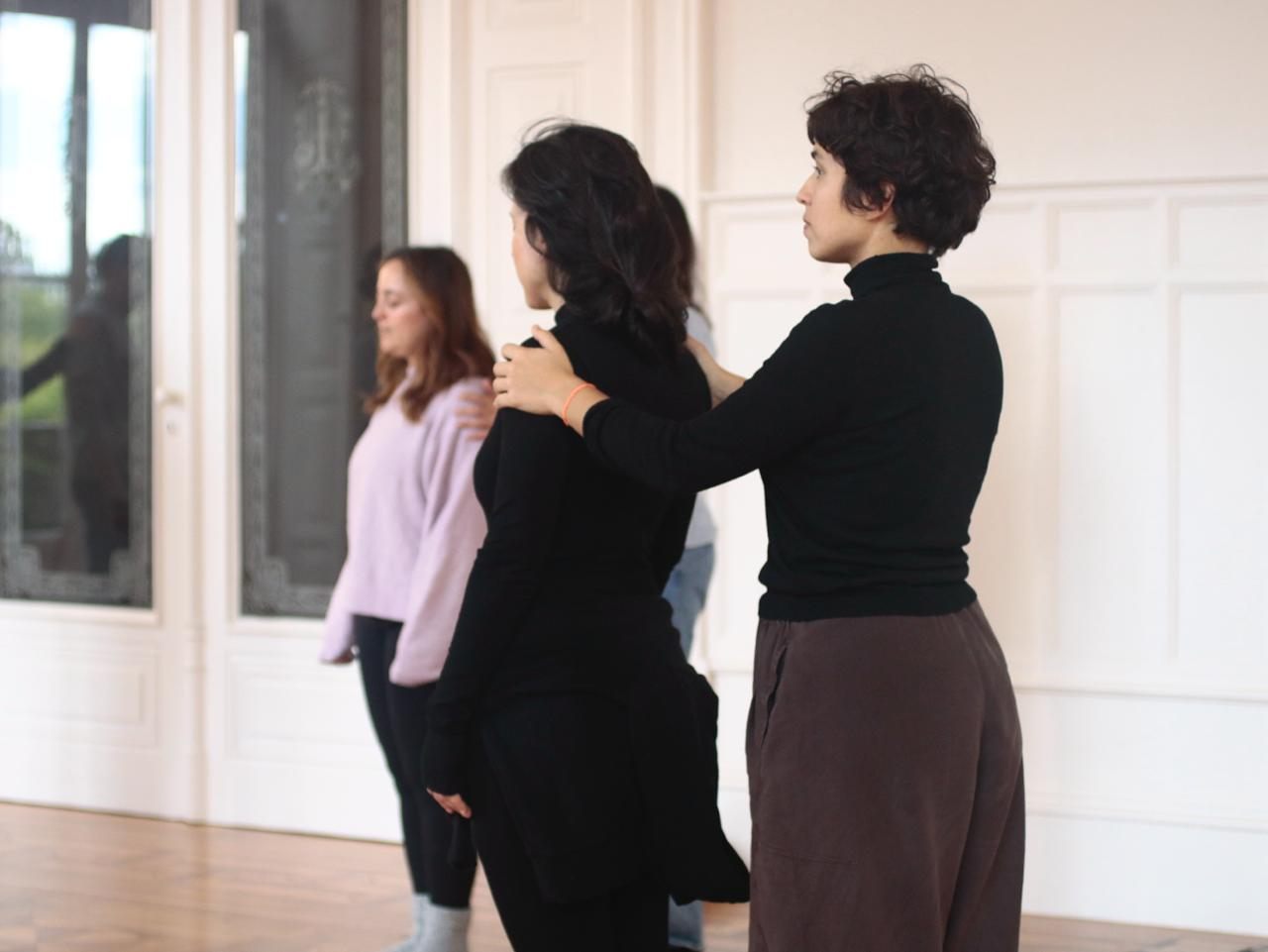
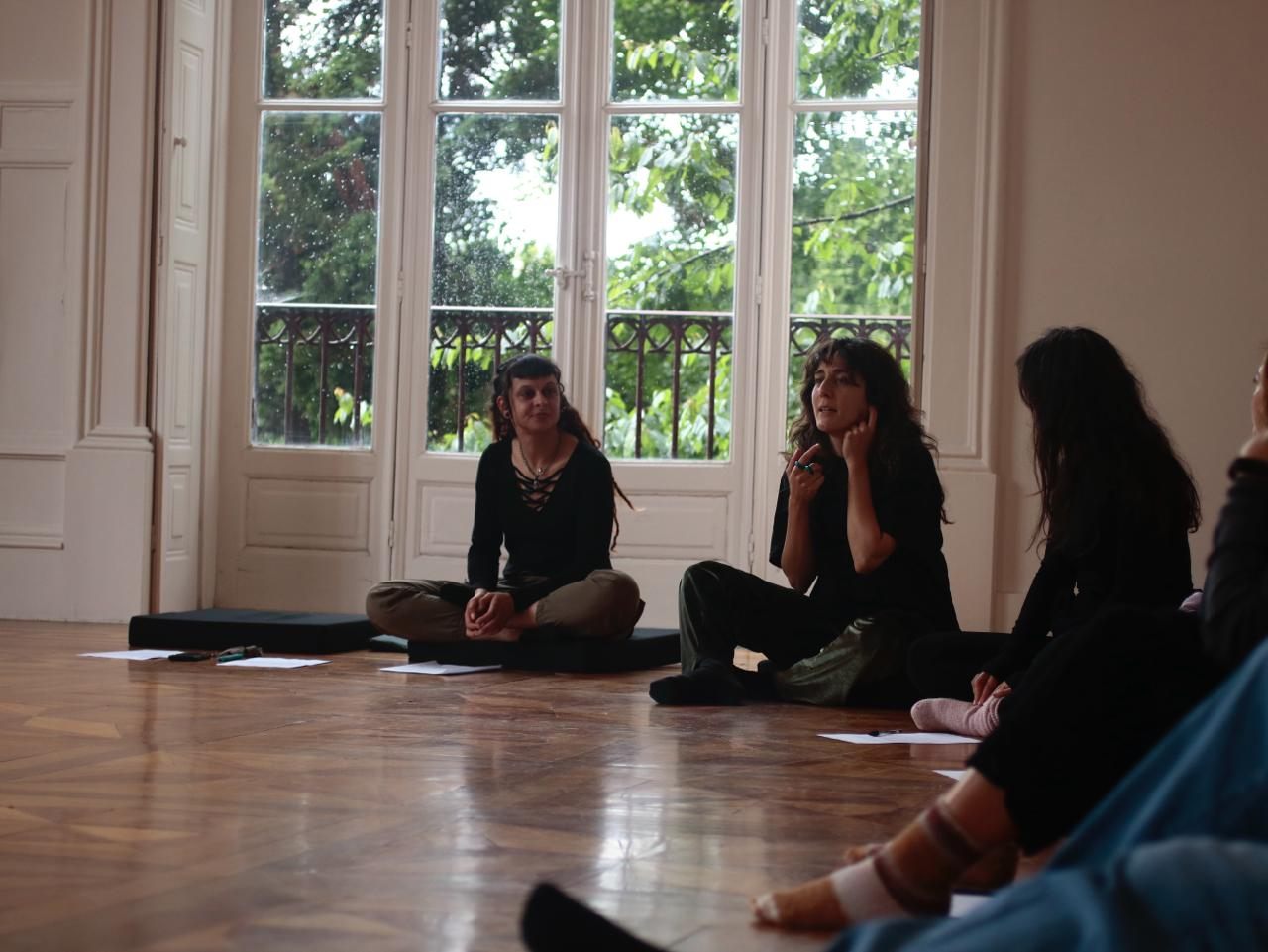
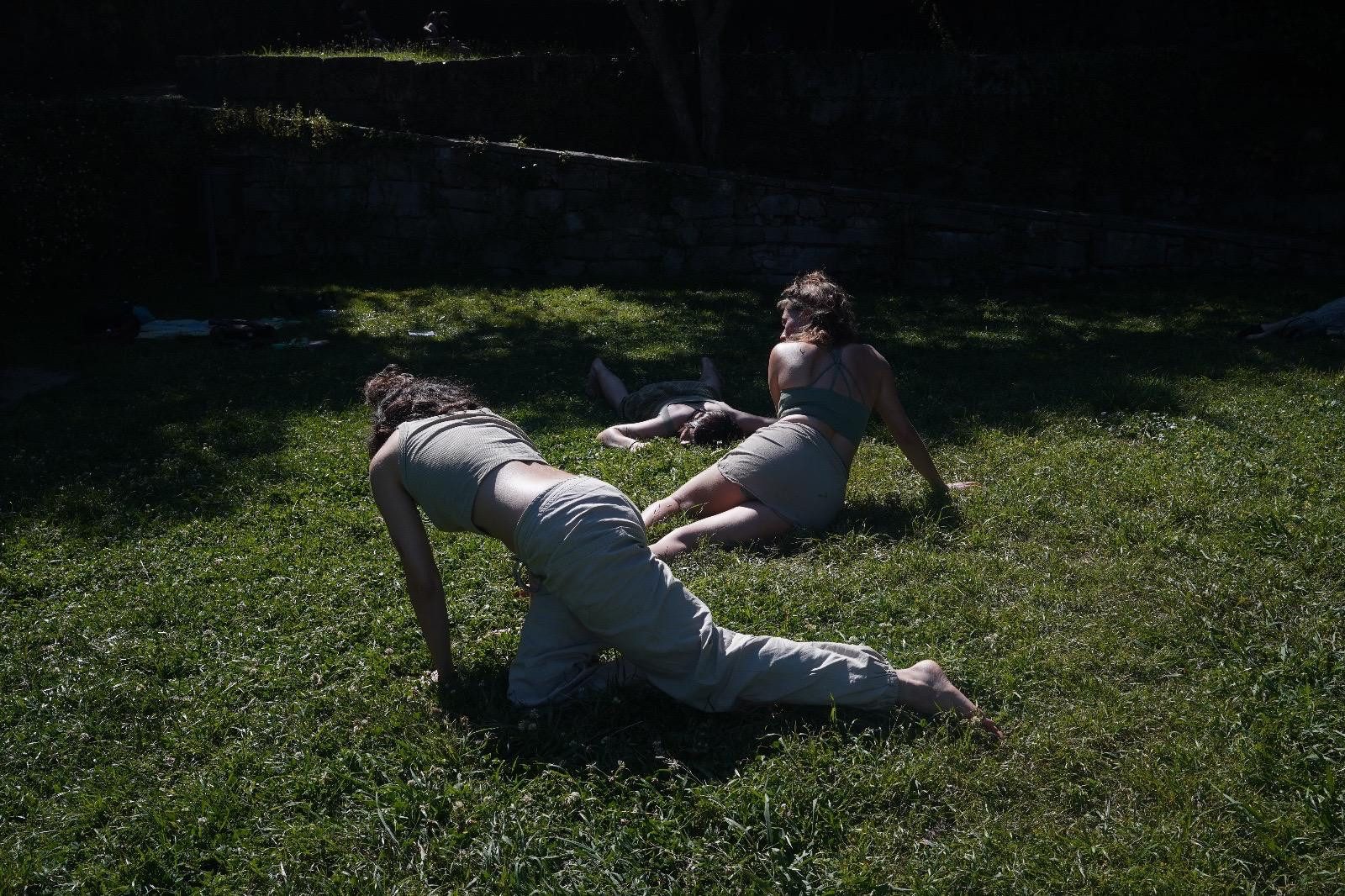
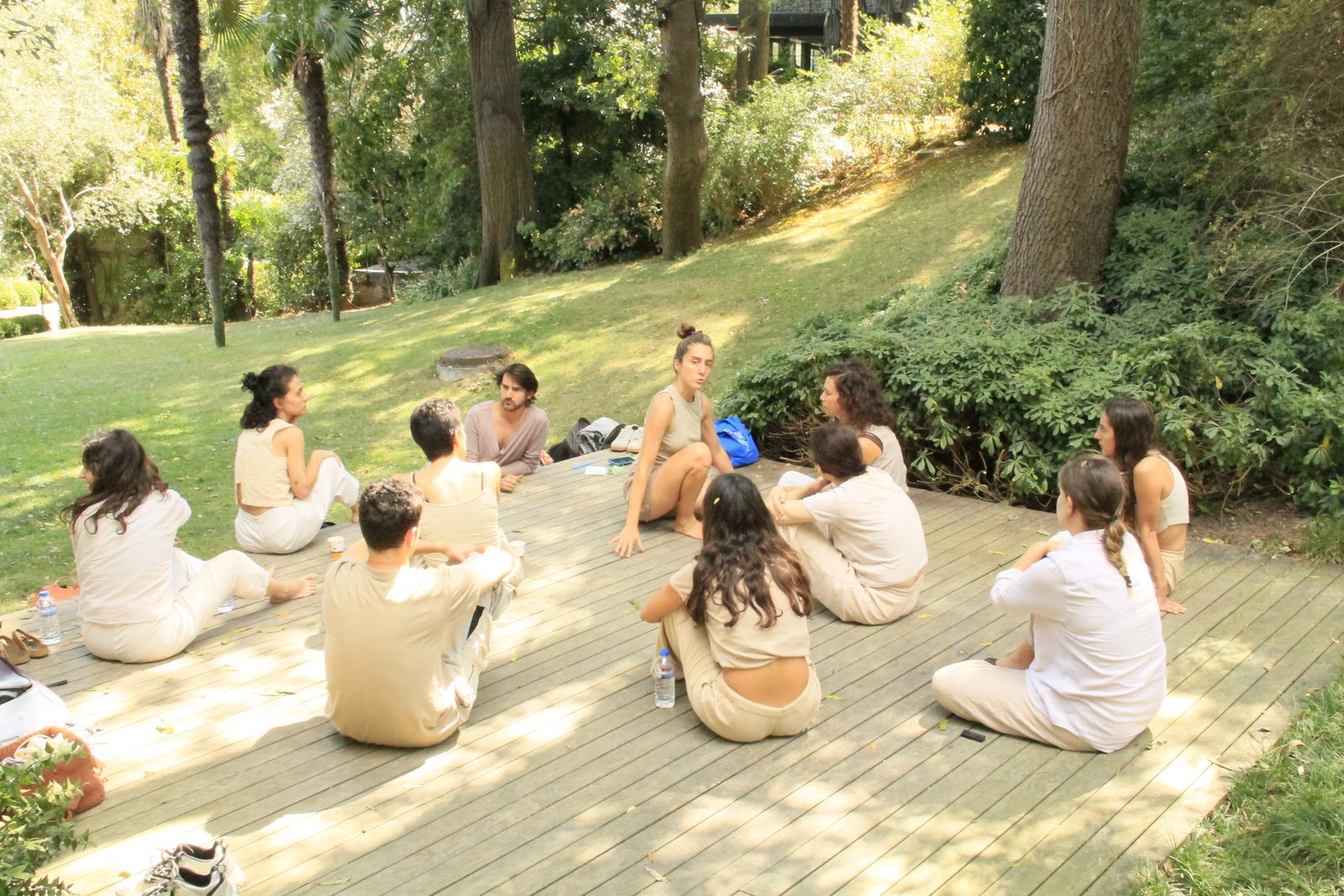
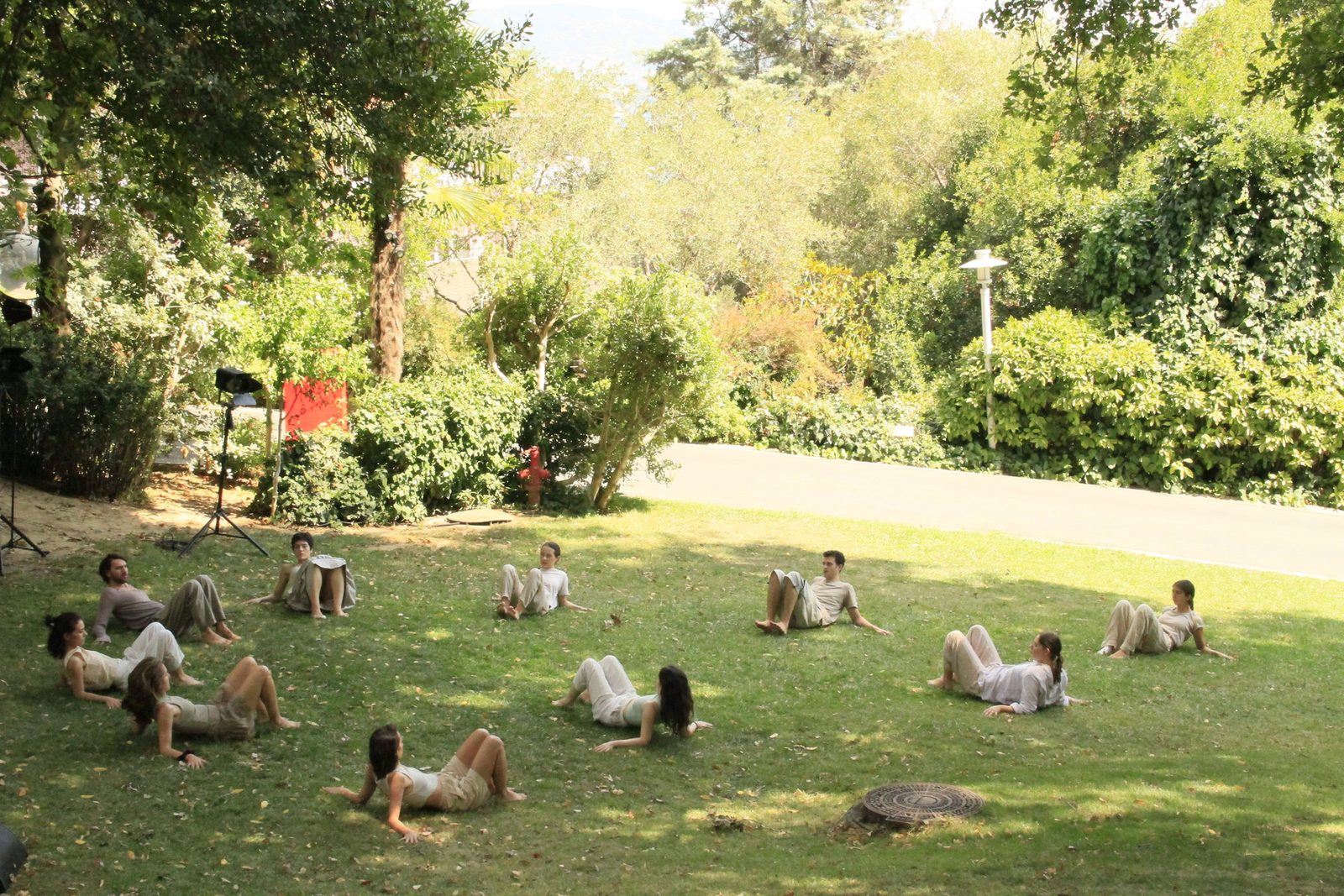
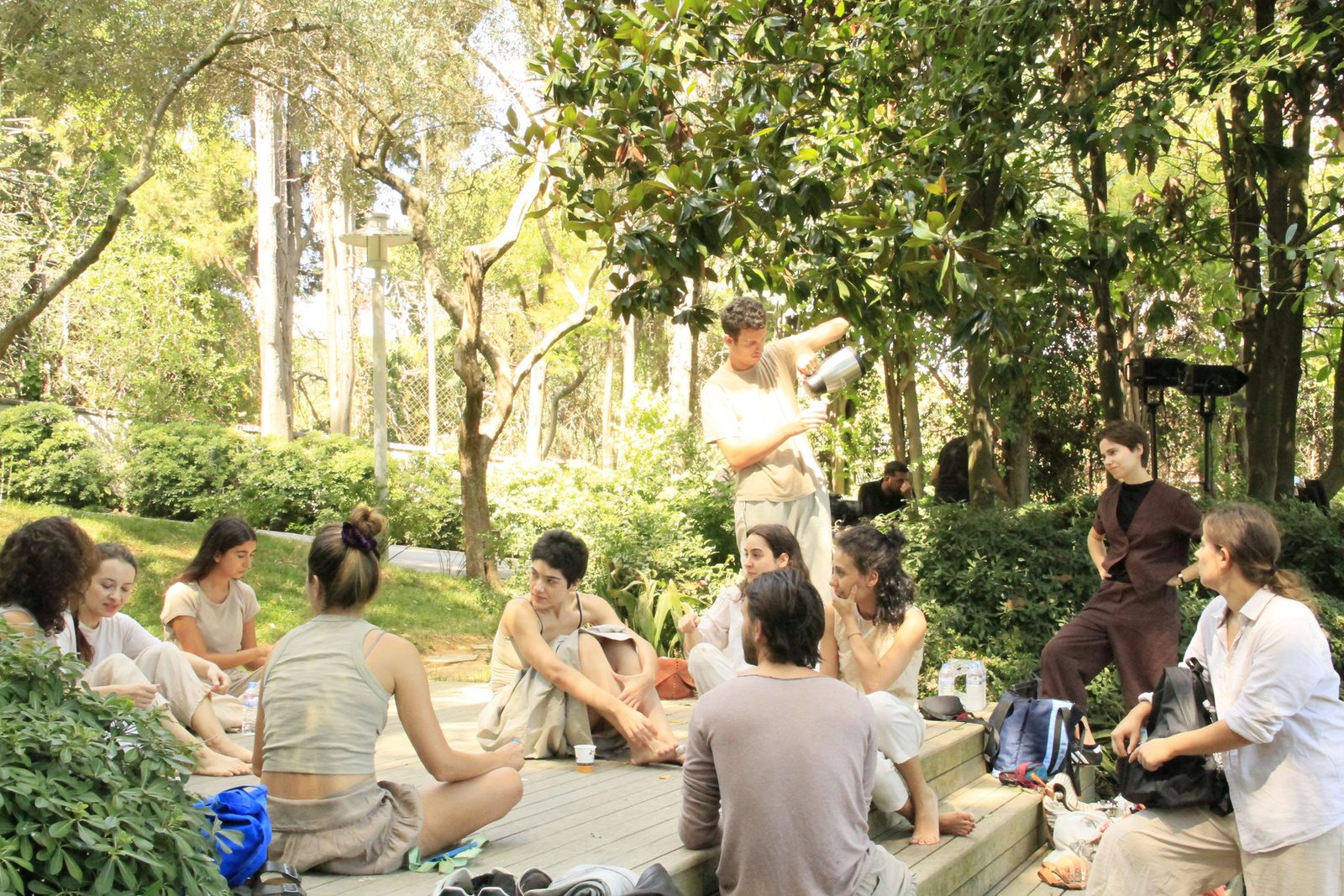
An ecosomatic art lab that investigates how embodied practices can cultivate empathy and attunement with multisensory ecologies.
The lab integrates somatic movement, sensory awareness and deep listening methods to explore the affective and physiological dimensions of relationality with other species and ecological systems.


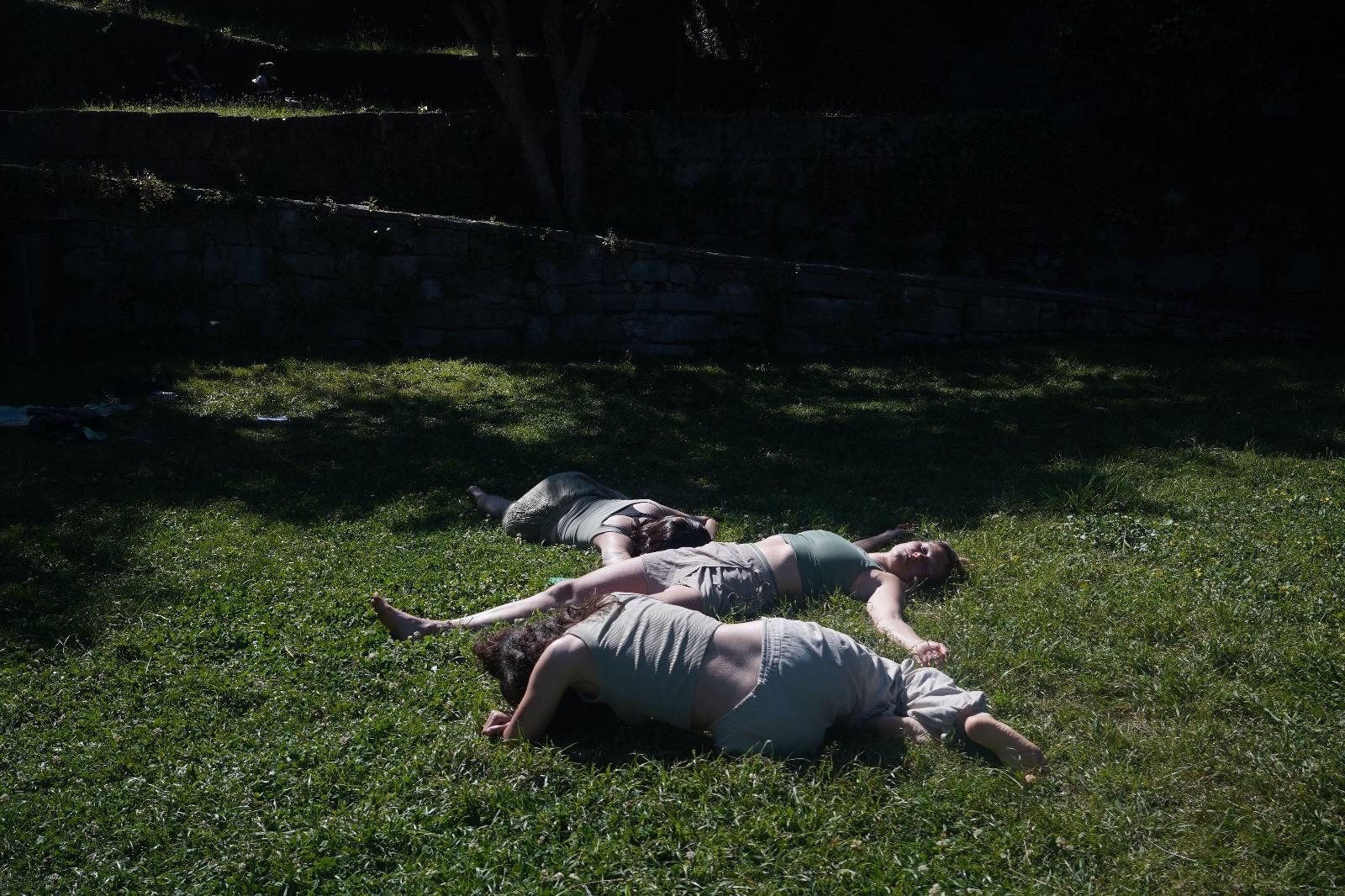
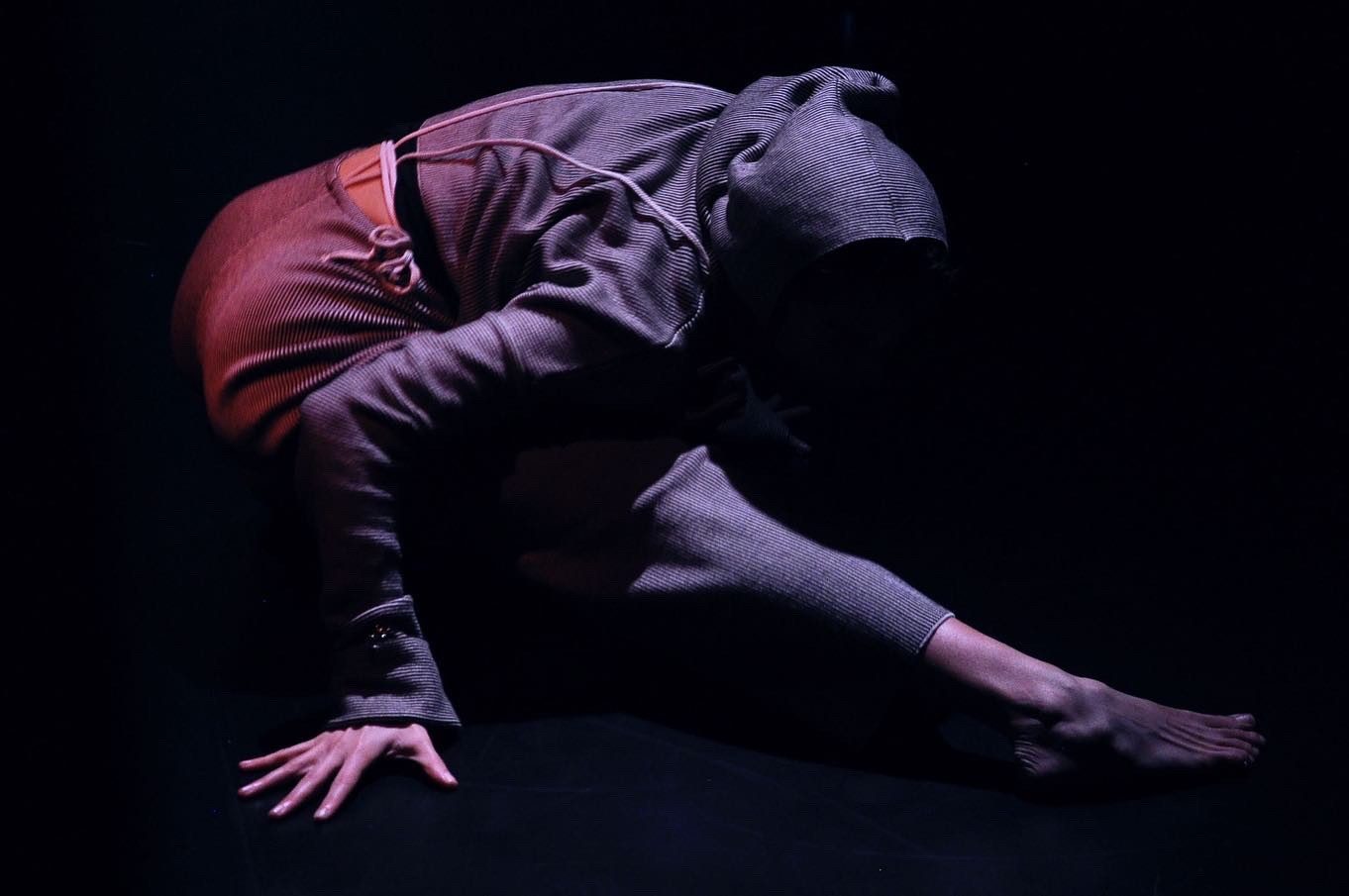
A method and site-sensitive performance that unfolds as a conversation - between body, environment, and the unseen forces that shape us. Rooted in eco-somatic and Deep Listening practices, the piece explores how we attune to the world when we stop trying to move through it and begin moving with it.
How do we dissolve the boundaries between self and environment? Through slowness, improvisation and expanded perception, Becoming With becomes a process of weaving - between inner landscapes and the more-than-human world, between stillness and vibration, between presence and the unknown.


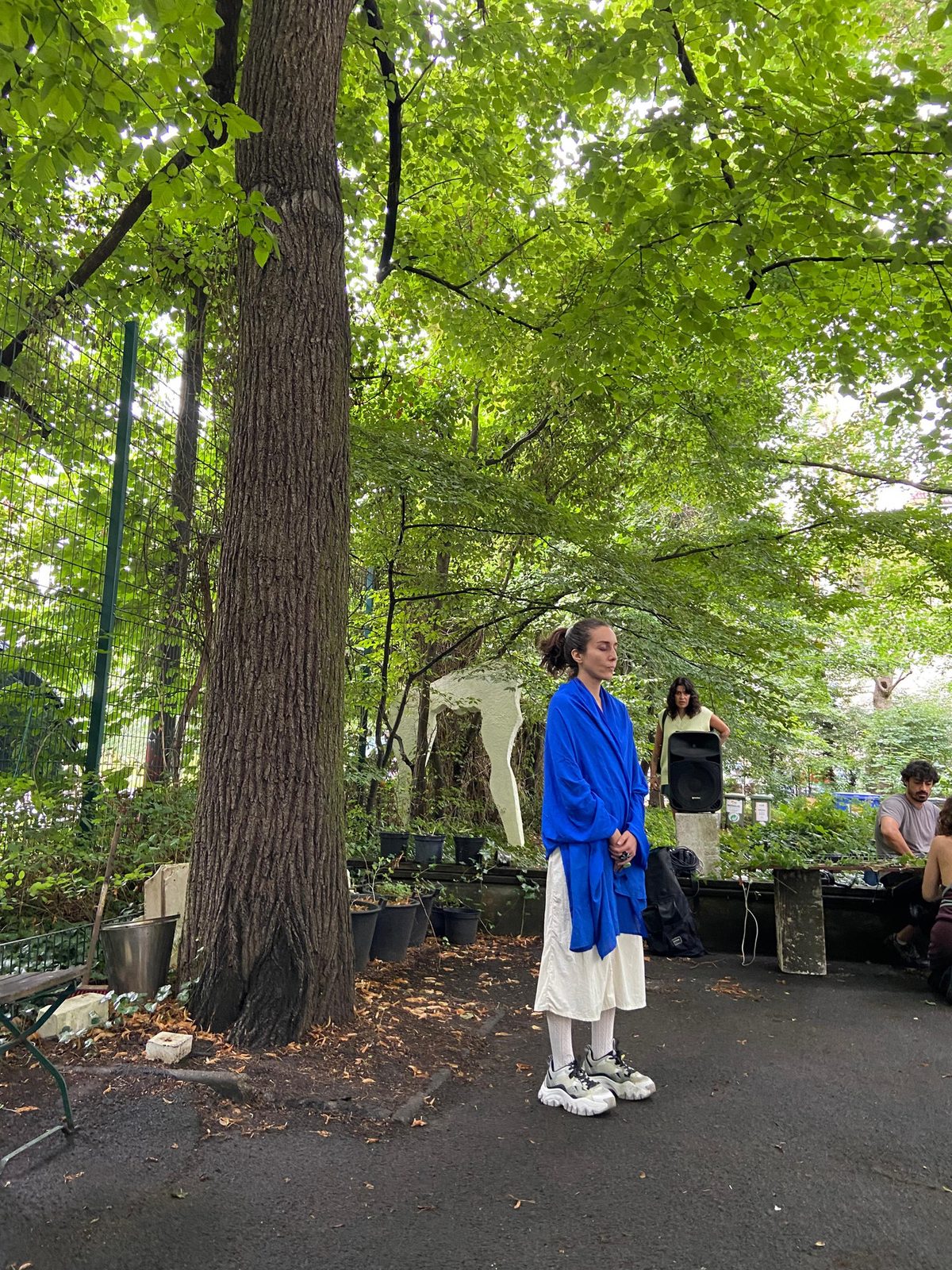
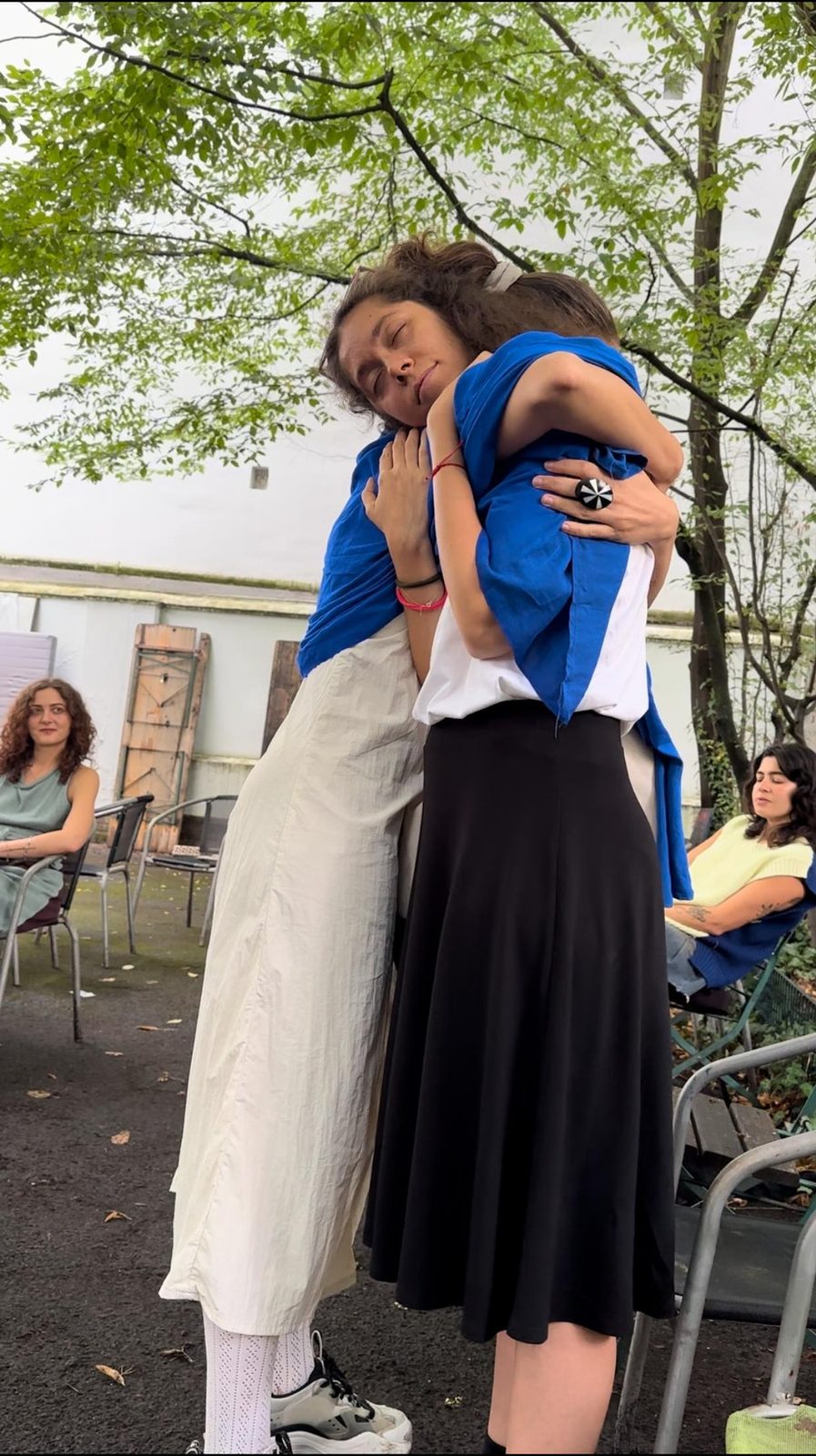
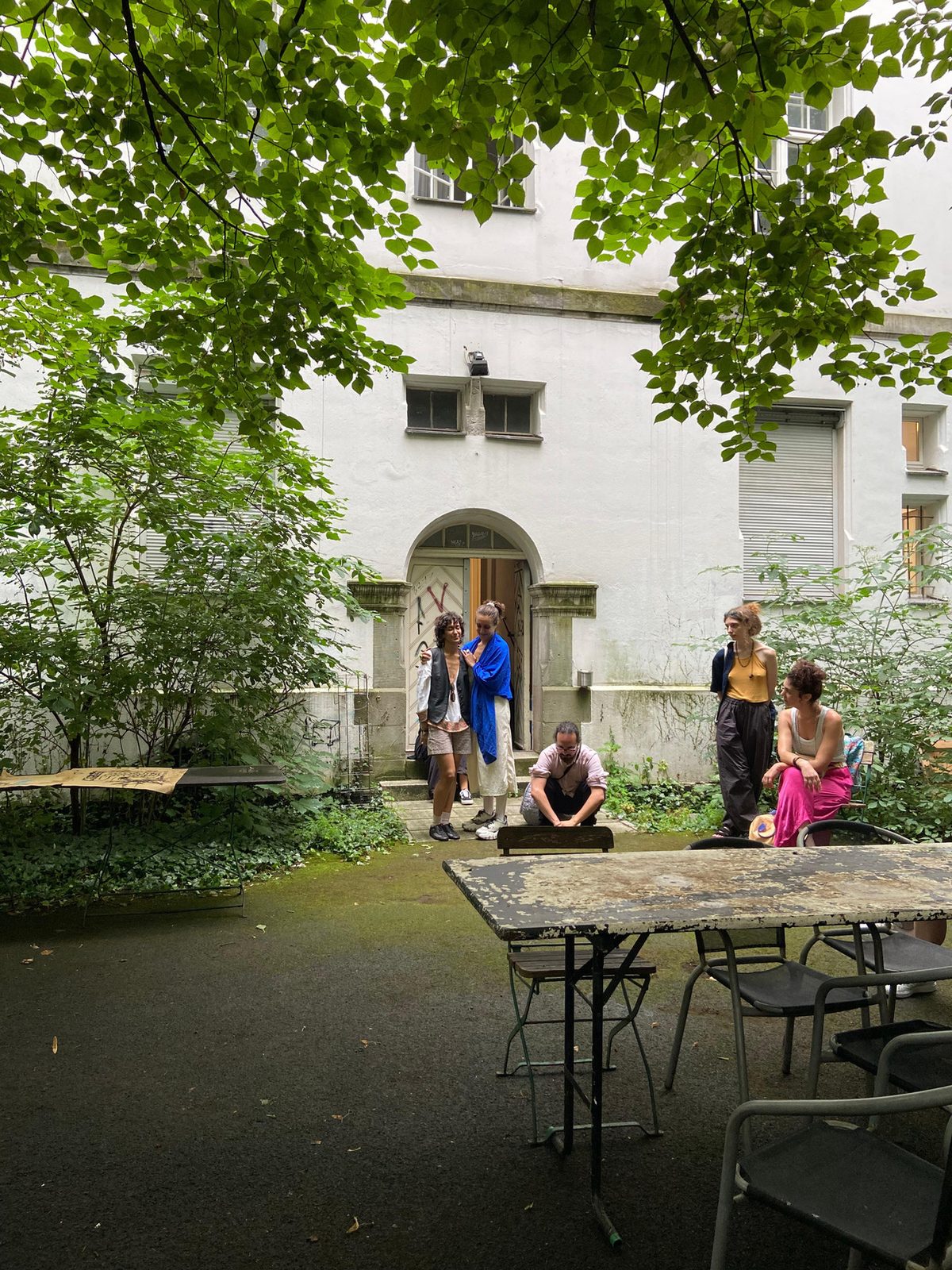
Presented at GlogauAIR Berlin from 20-24 July 2024 with Freyalt, this performance engages with the concept of impermanence through the exploration of how our bodies hold and express emotions, thoughts, and memories. The work transcends verbal communication, emphasizing the body's capacity for healing through sensory experience. It invites participants to embrace vulnerability and connect deeply with themselves and others, fostering a shared sense of intimacy in the face of life's constant change.


Anicca is an open invitation to a long term research and performance project. The performance will shape through the connection with the person that I will be forming one to one through Instagram or Zoom. The artist will be opening up herself by reading a part of her diary within her intimate environment. After, she will be also documenting and sharing the reciprocity of participant's feelings that were generated by them as a response, in a format that you will choose such as the images, sound, writing etc.
Anicca is one of three main concepts of Buddhism which refers to the fact that everything is transient. While remembering the sustainability of alteration, I hope to come across with you within the environments that we are held on to without confining. For further information and booking a time slot, you could reach me from the aniccaperformance Instagram account.
The inner vision appears. I listen to my inner vision appearing clearly. Here comes the knowledge about humanity; timeless and spaceless, the knowledge that we all knew but forgot and that we would like to remember. Is this a game that my inner voice plays with me? How much can I trust my intuition?
By eating its own tail for 21 days, “Ouroboros” opens a space for an inner transformation. During 21 nights, I share a universal knowledge, the art of free flow speaking through live stream without any filter nor editing. The knowledge that belongs to the world of thoughts, beyond the experiences and emotions I had, overflows from my inner source. The fears disappear and the voice gets even stronger when I stop criticizing myself. Beyond culture and social norms, “the self” can exist without feeling the need to prove thoughts. So, will I be able to share the inflow of knowledge without criticizing myself?


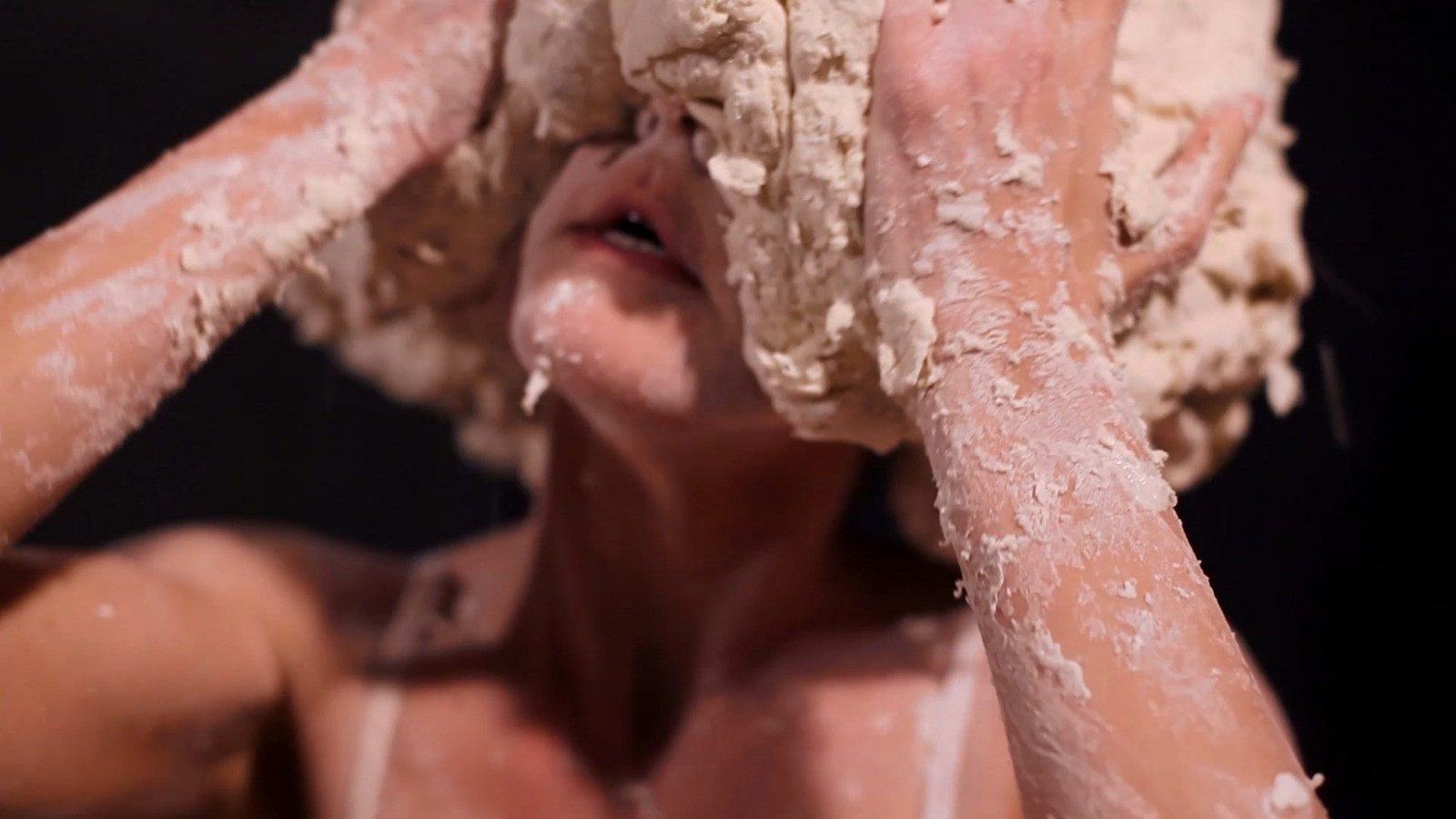
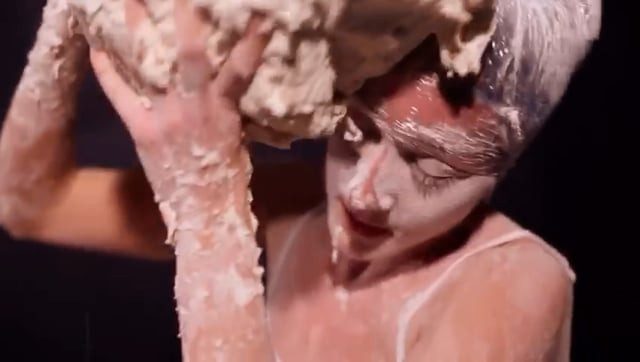
The word dough, which resonates with the words essence, origin and yeast in Turkish, is shaped by the body representing the individuality of the artist and meets the outside world with this performance. The video explores the ever-changing state of the human being with an autobiographical and improvised narrative rather than presenting a preplanned, archival documentation.


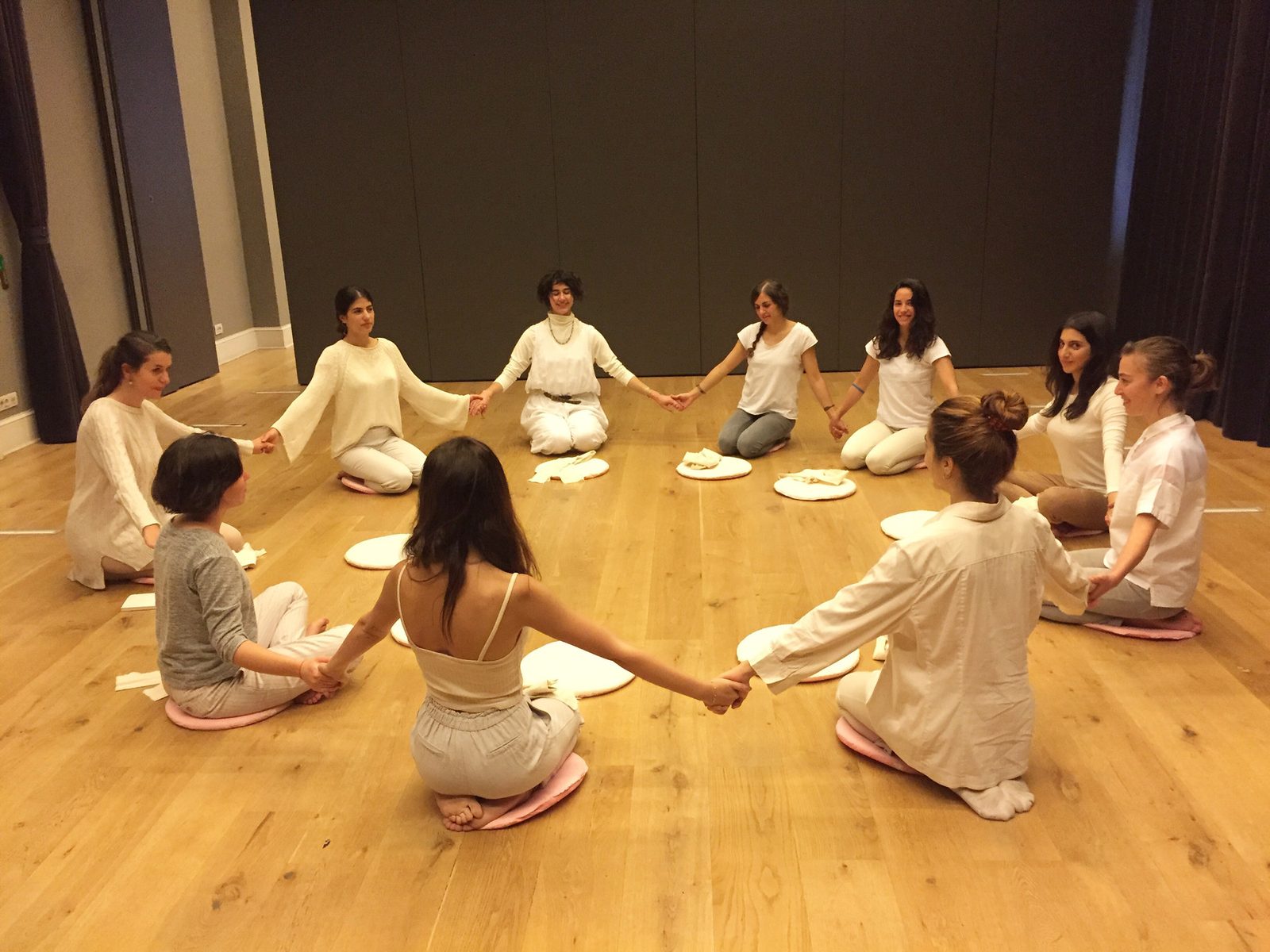
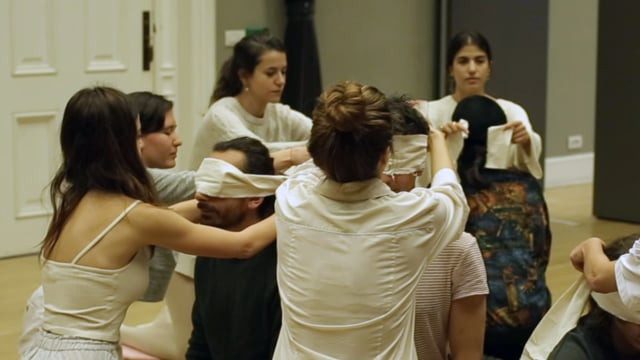
A sensory experience performed with 10 artists and 10 participants for each session. In two interbedded circles of artists and participants, mundane acts are performed in one minute for each participant and turned into a circular dynamic meditation. My aim is to increase the awareness of the senses through simple creative gestures. The eyes of the participants are covered with headbands to enable to discover other senses, so the sense of the vision is no longer the dominant one.


Here & Now, solo exhibition, Galeri 5, 2018.
Non-Finito photobook, Mixer Gallery, 2015.


Here & Now at Galeri 5 (archived page) ↗Non-Finito, Artful Living ↗
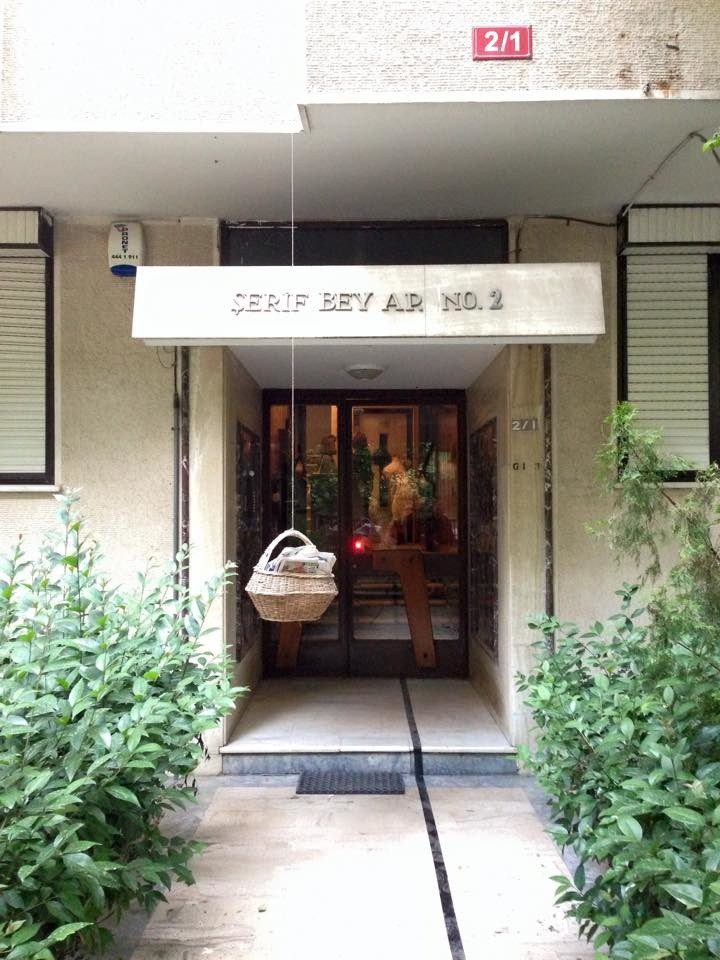
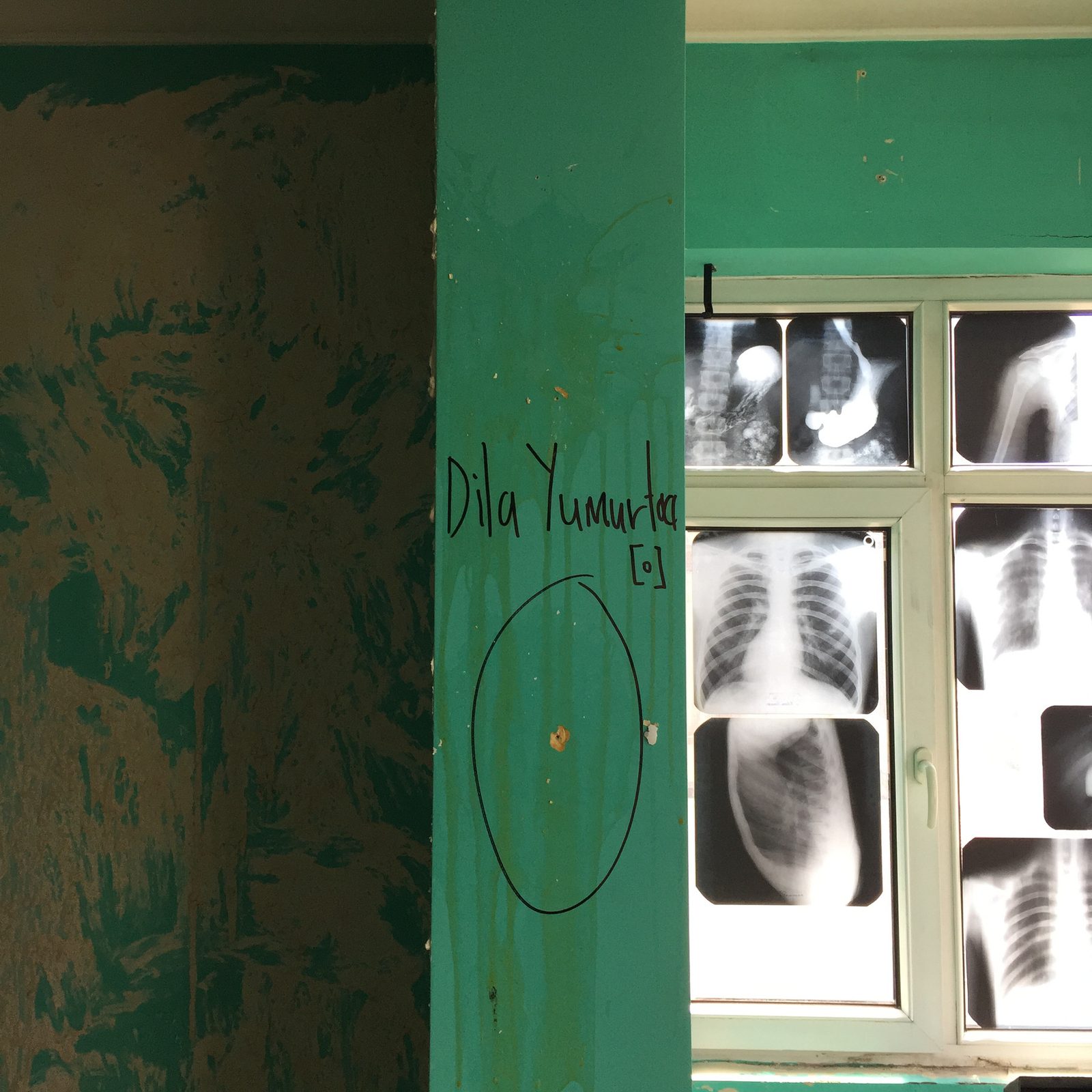
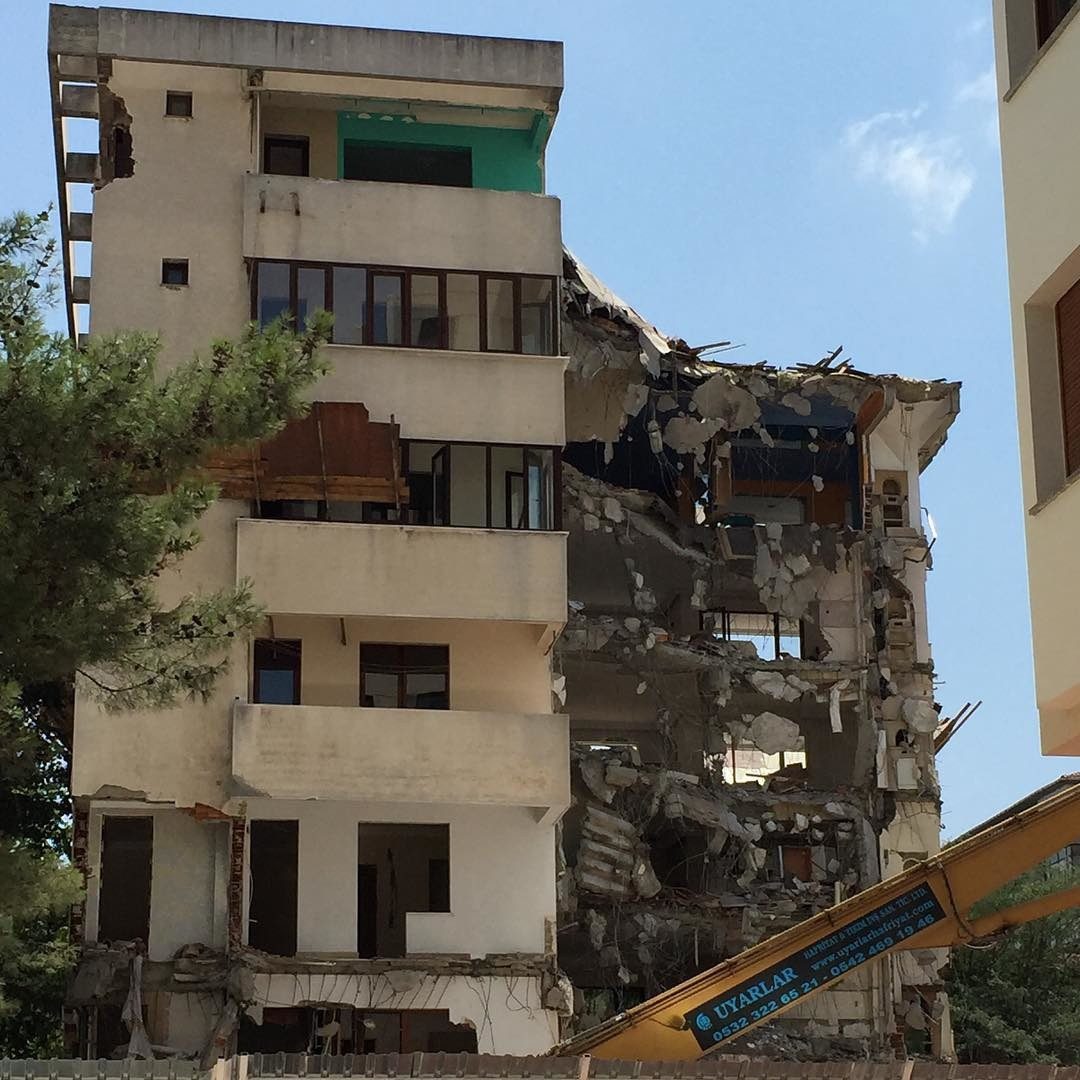
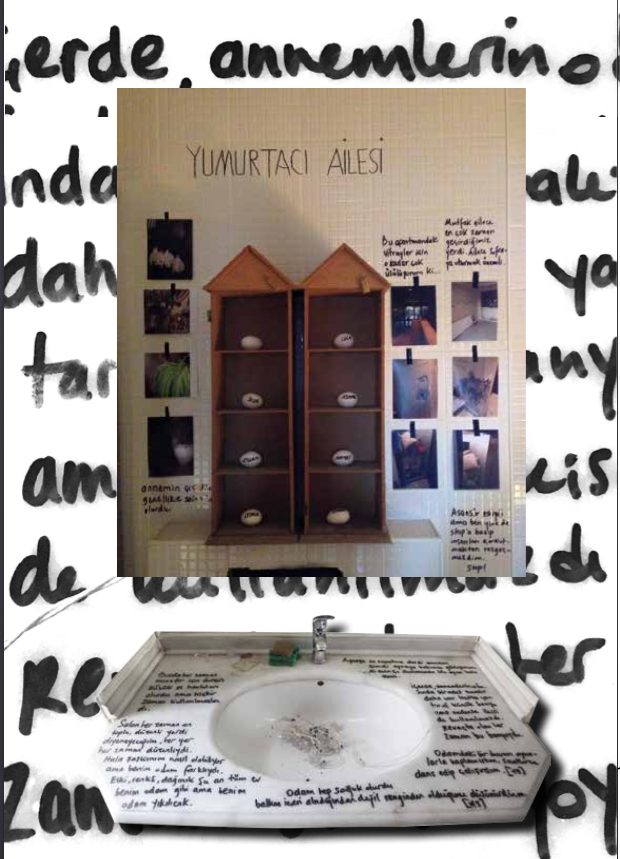
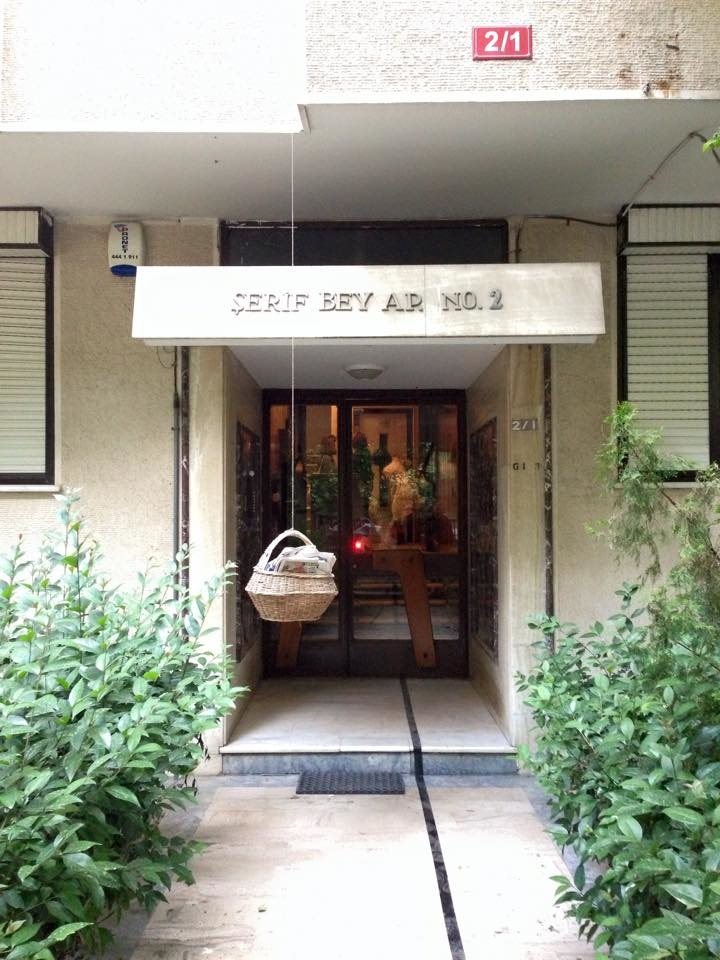
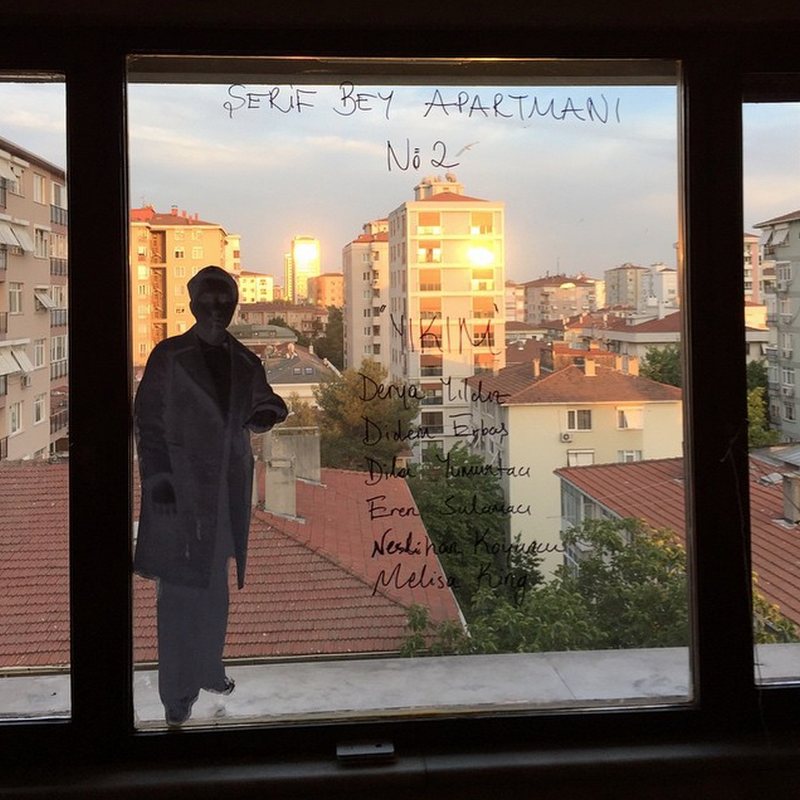
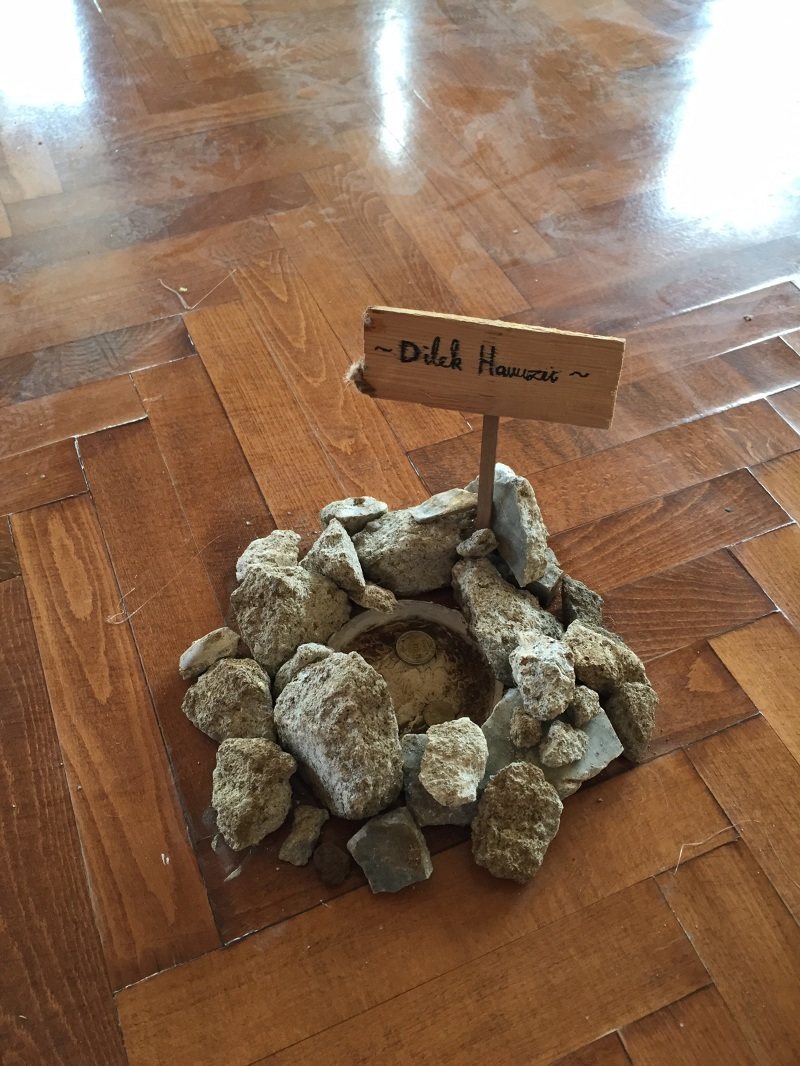
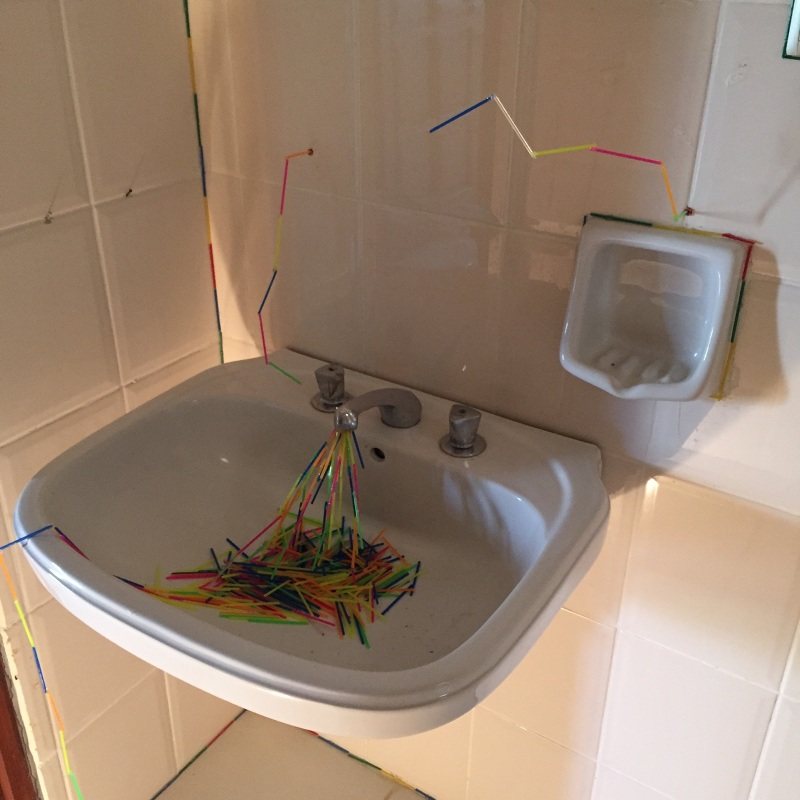
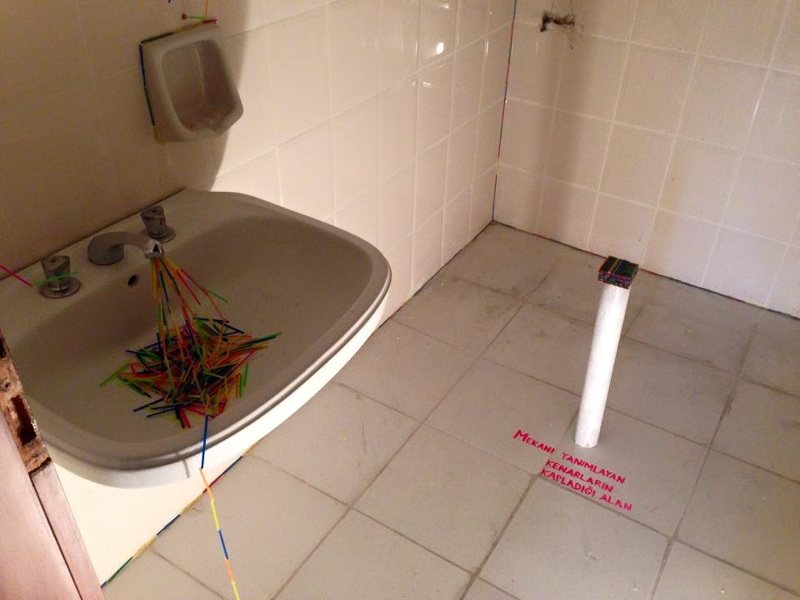
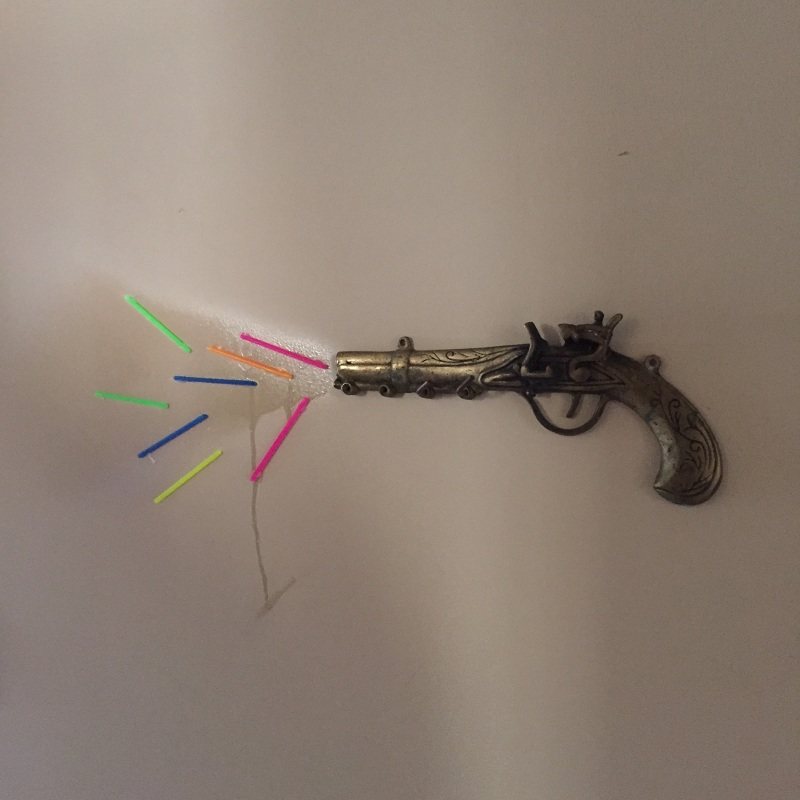
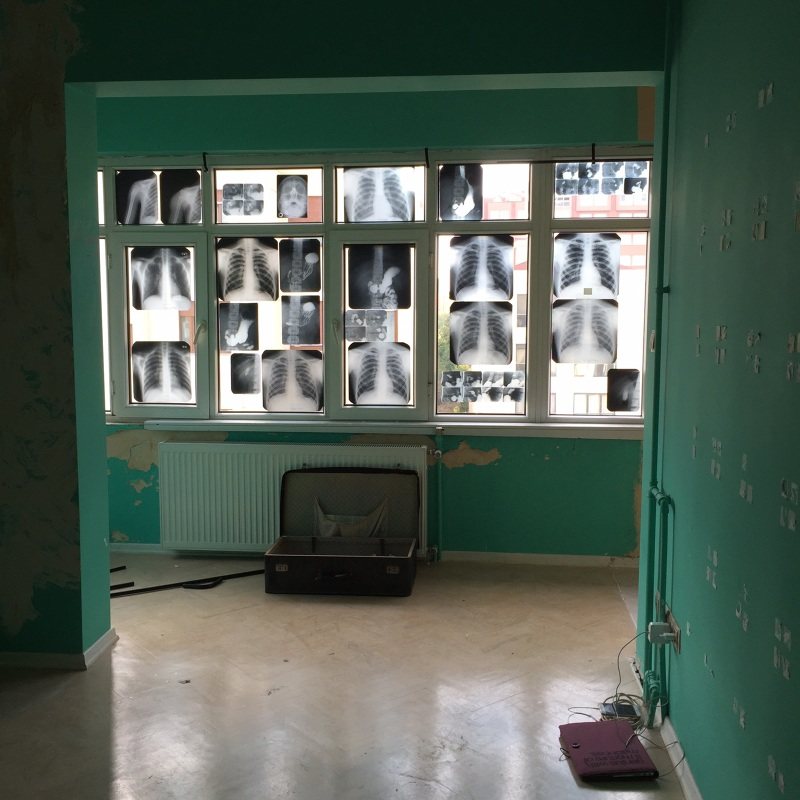
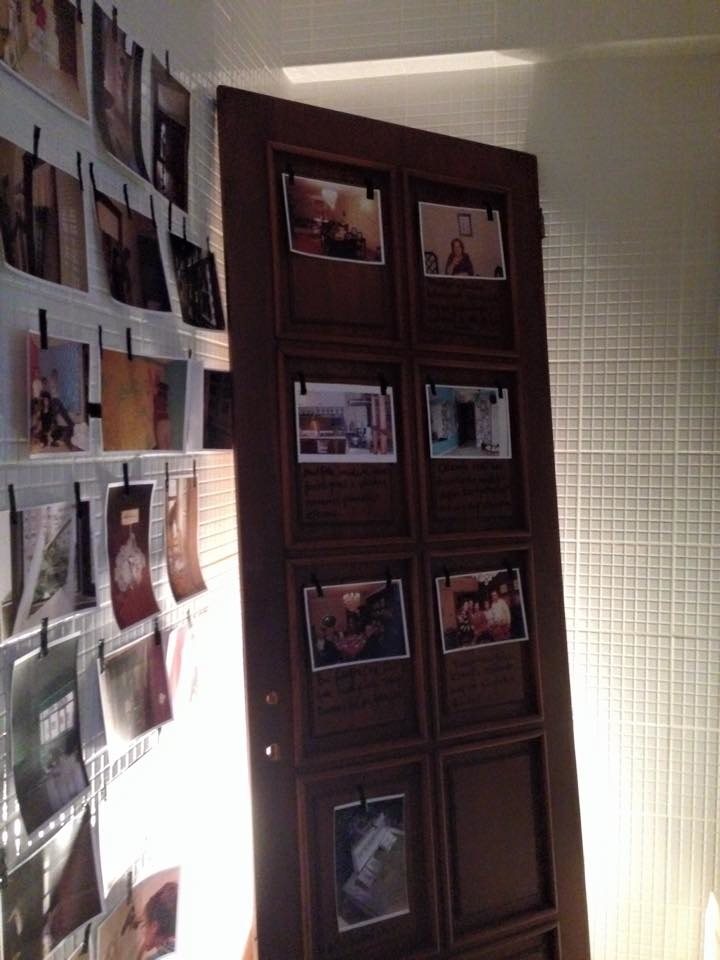
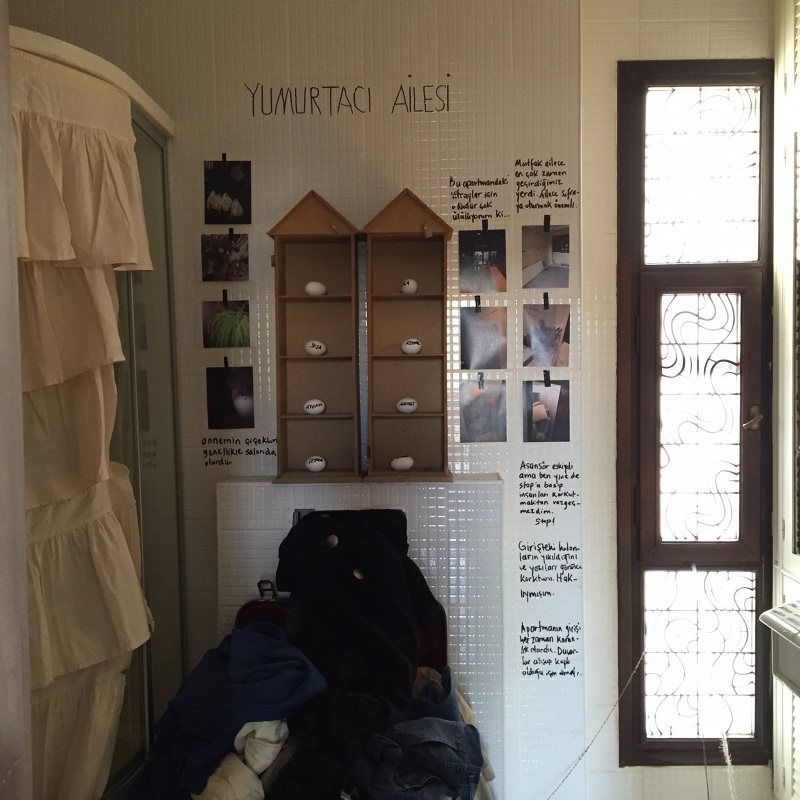
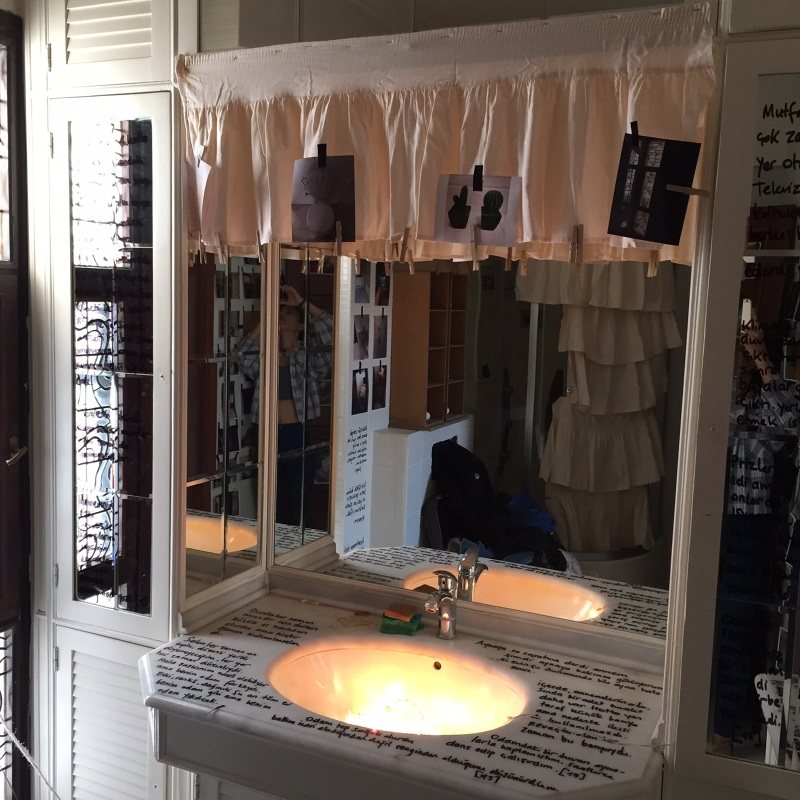
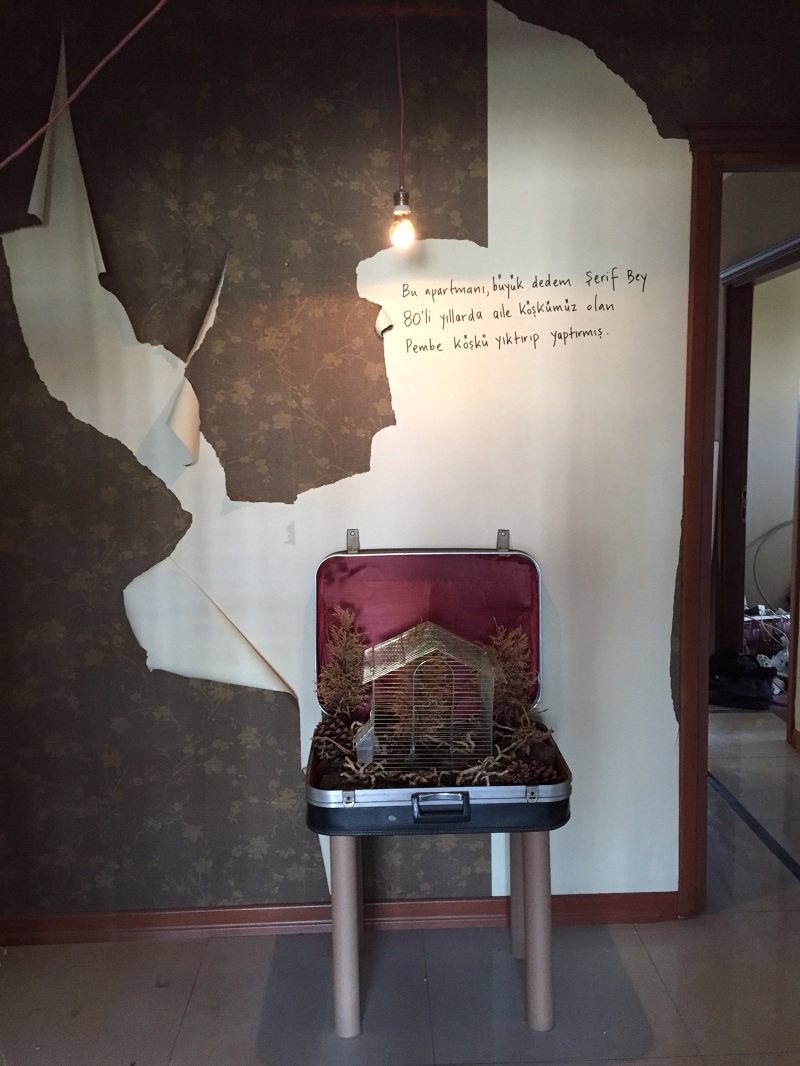
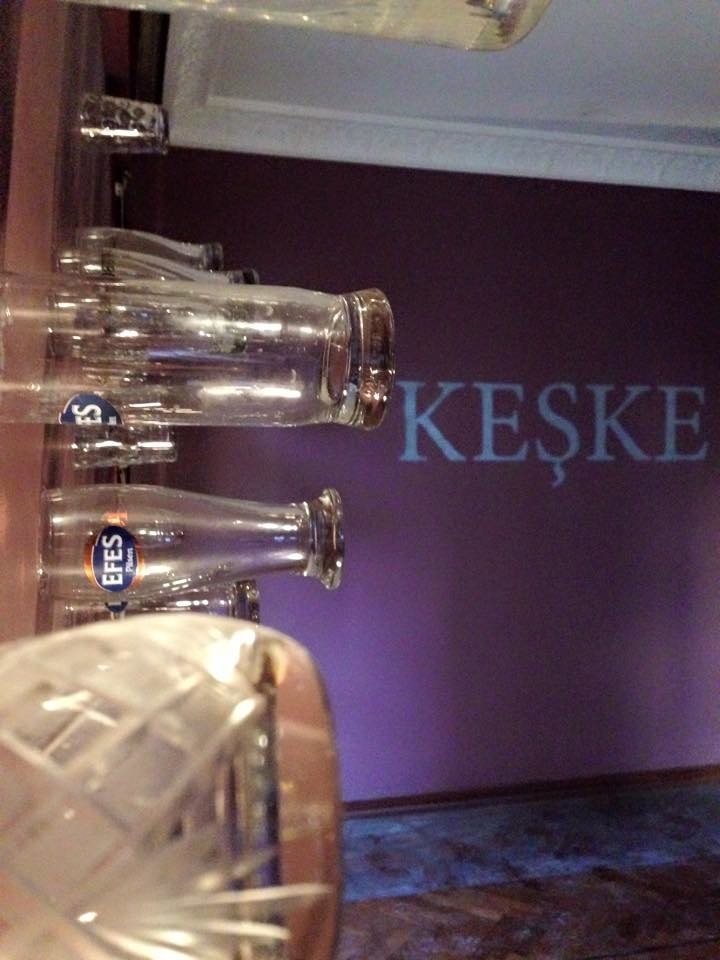
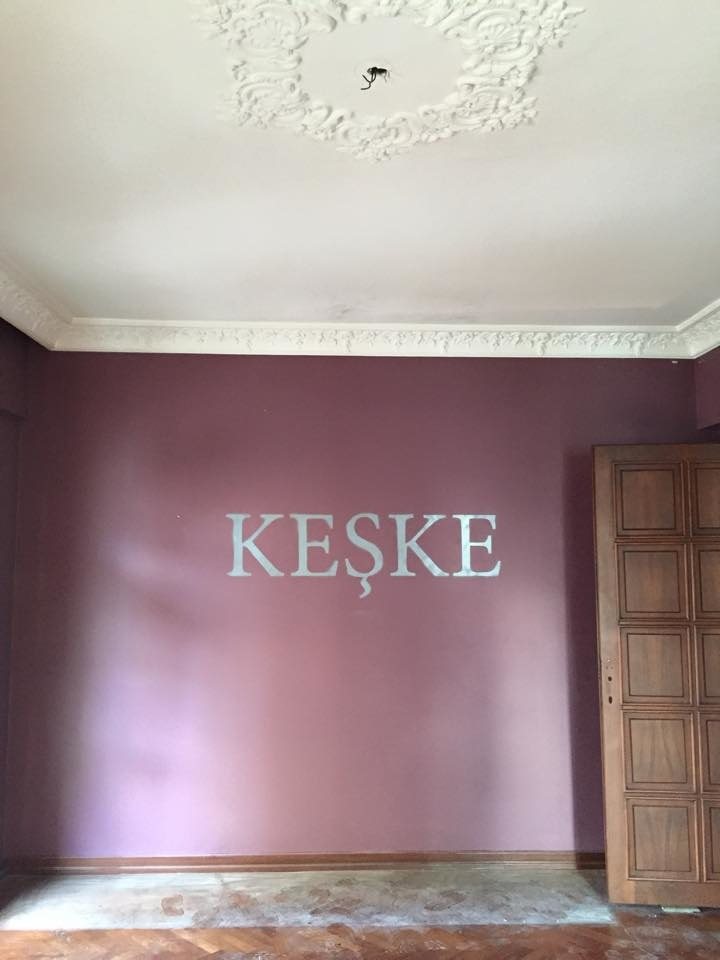
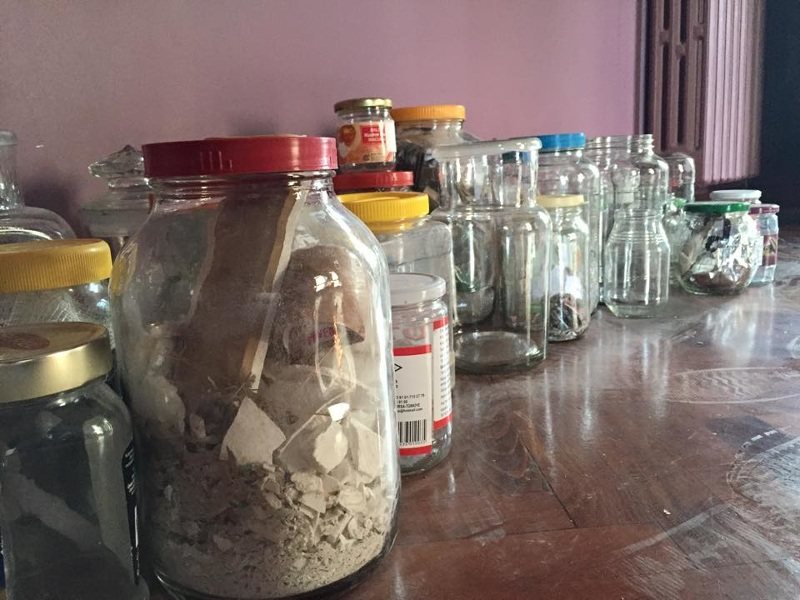
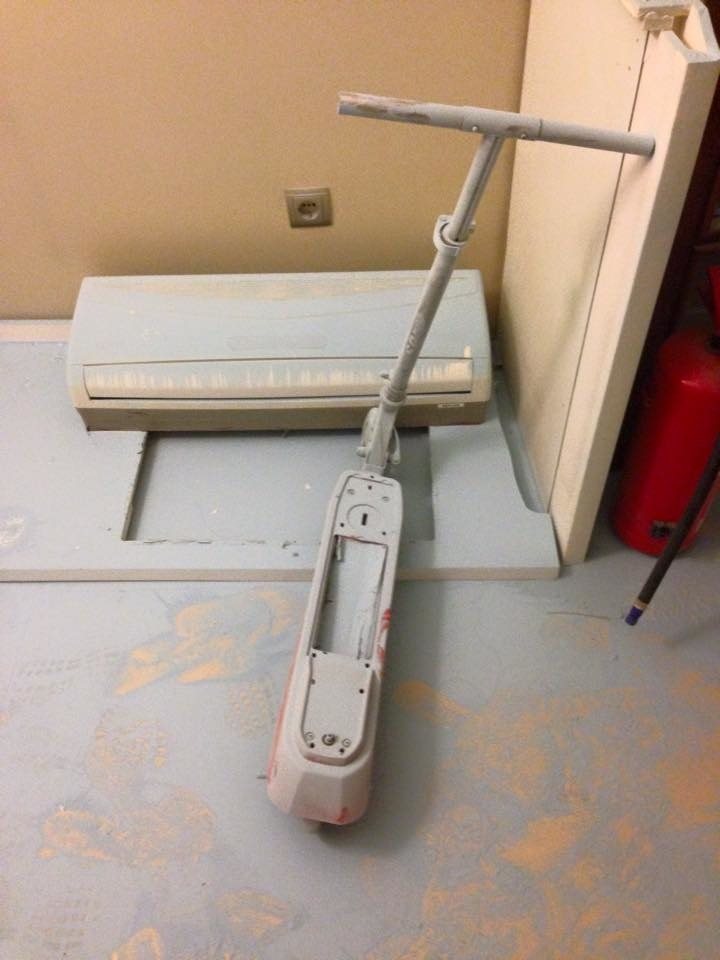
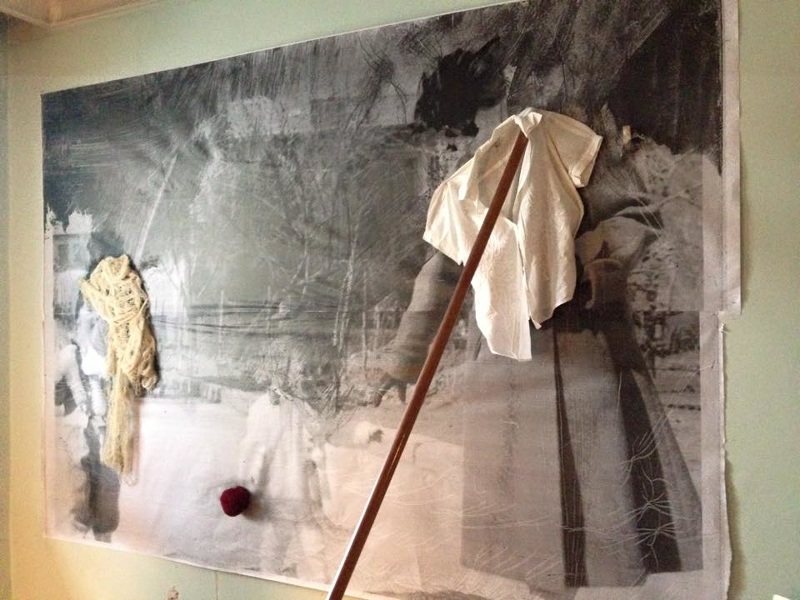
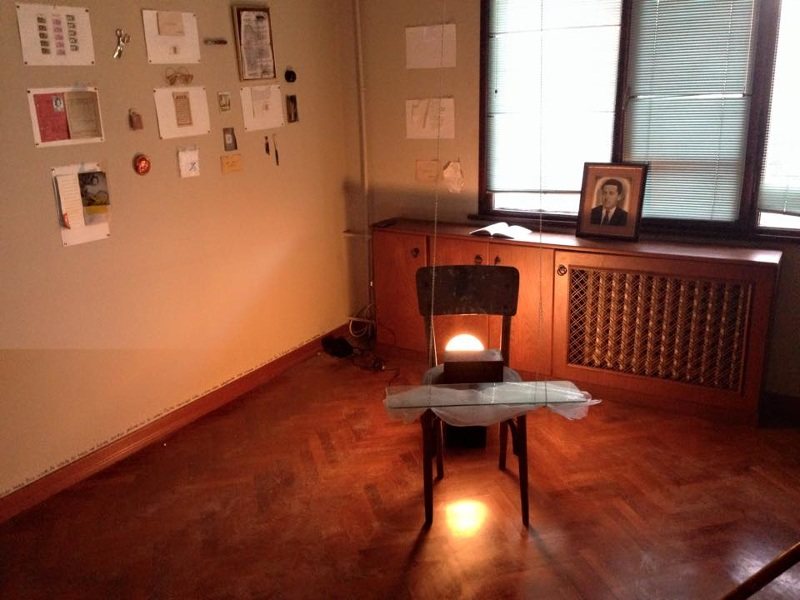
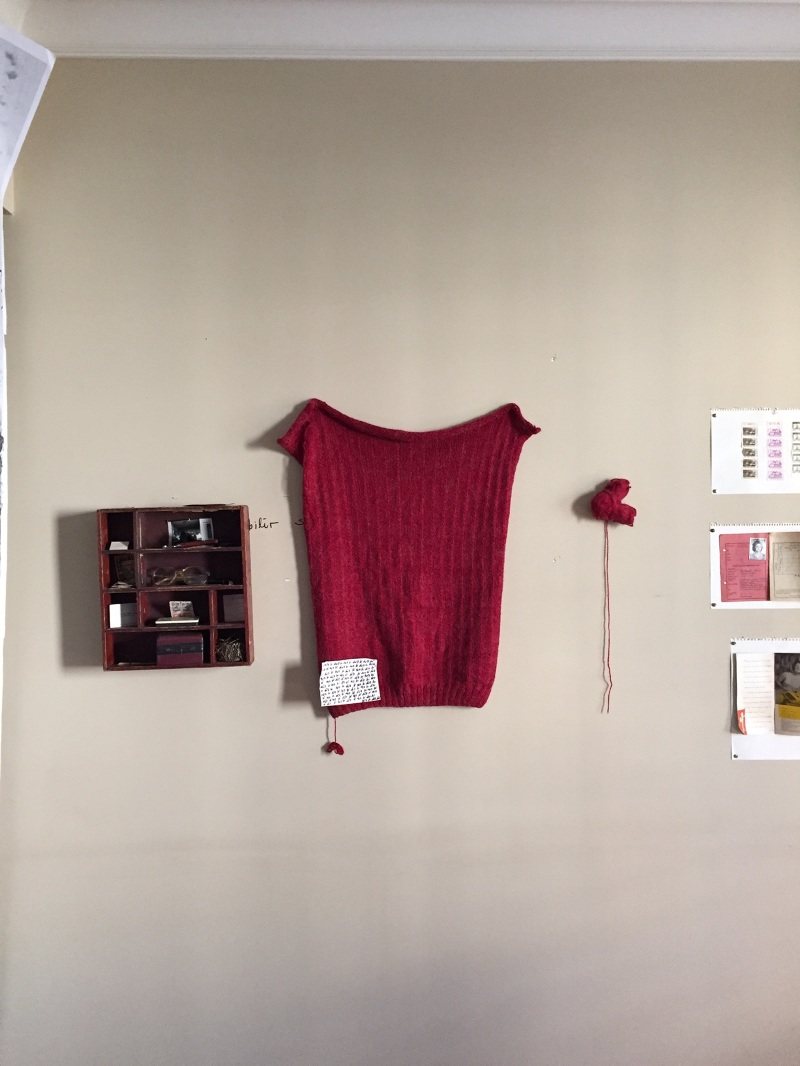
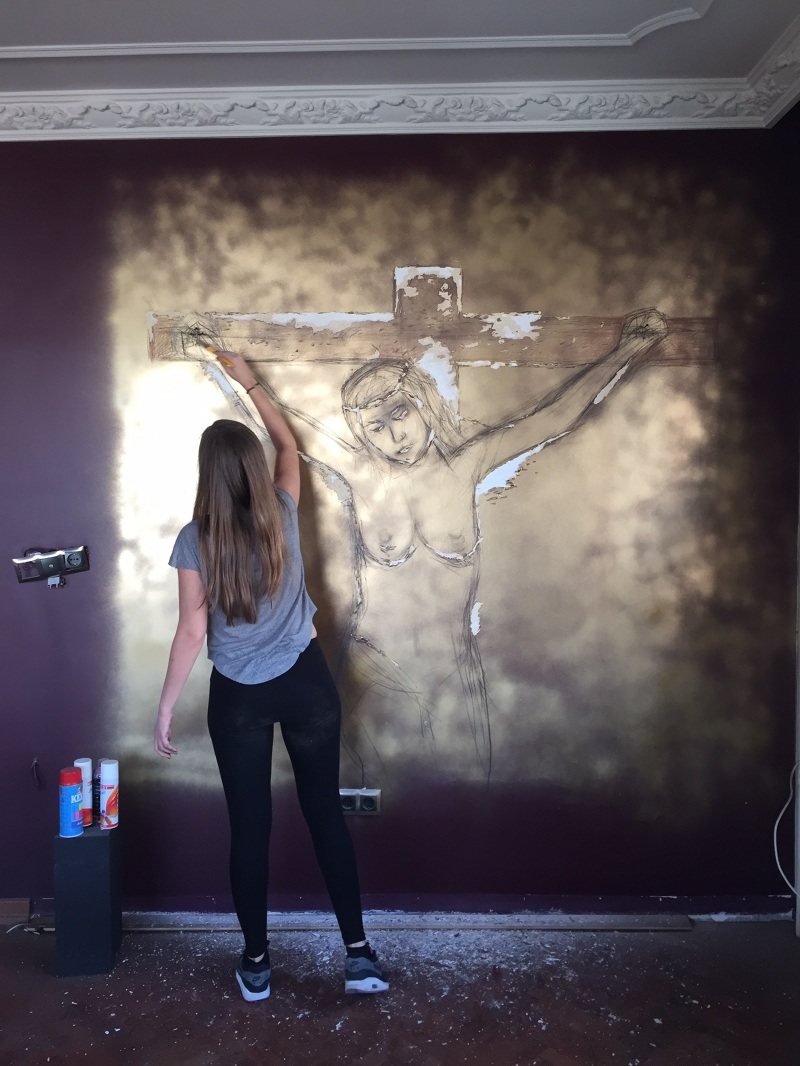
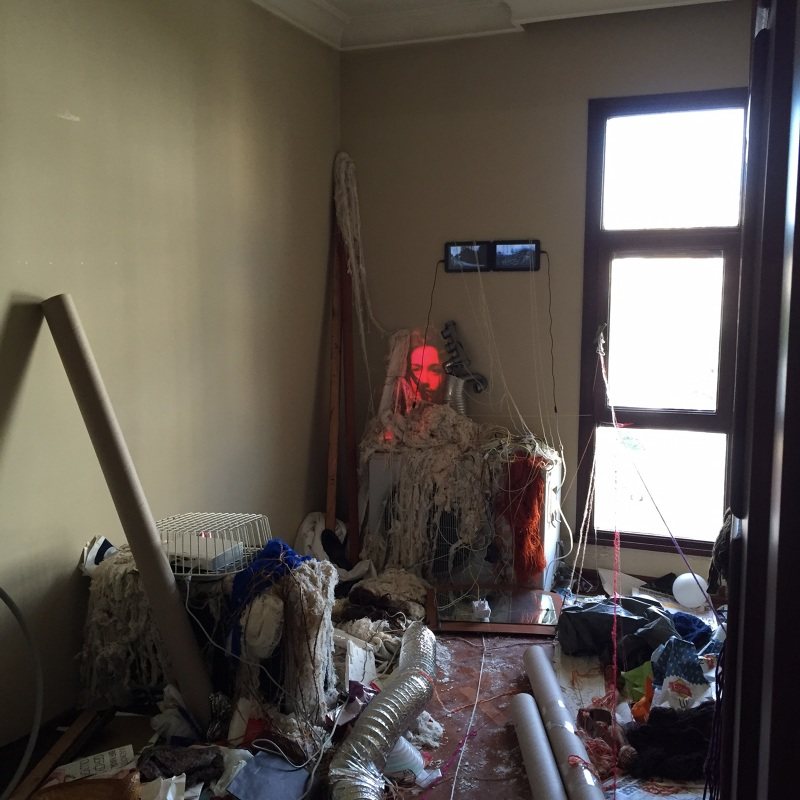
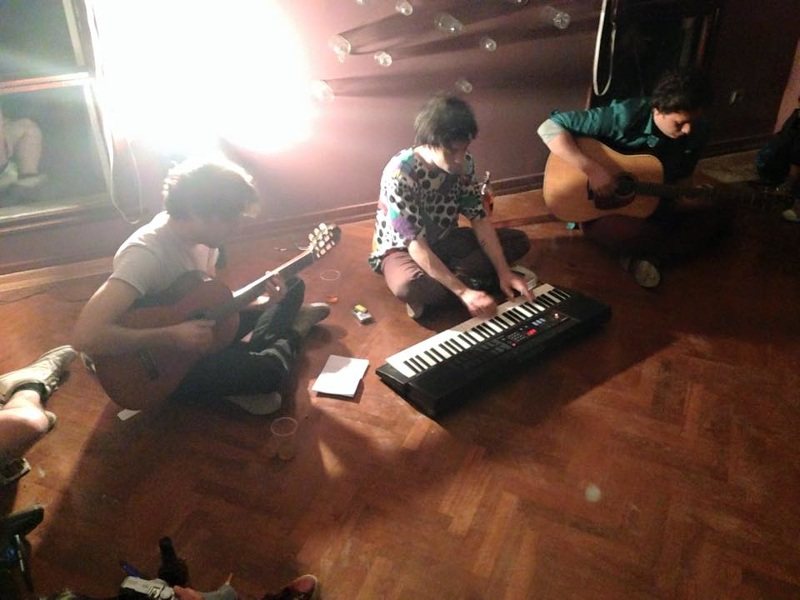
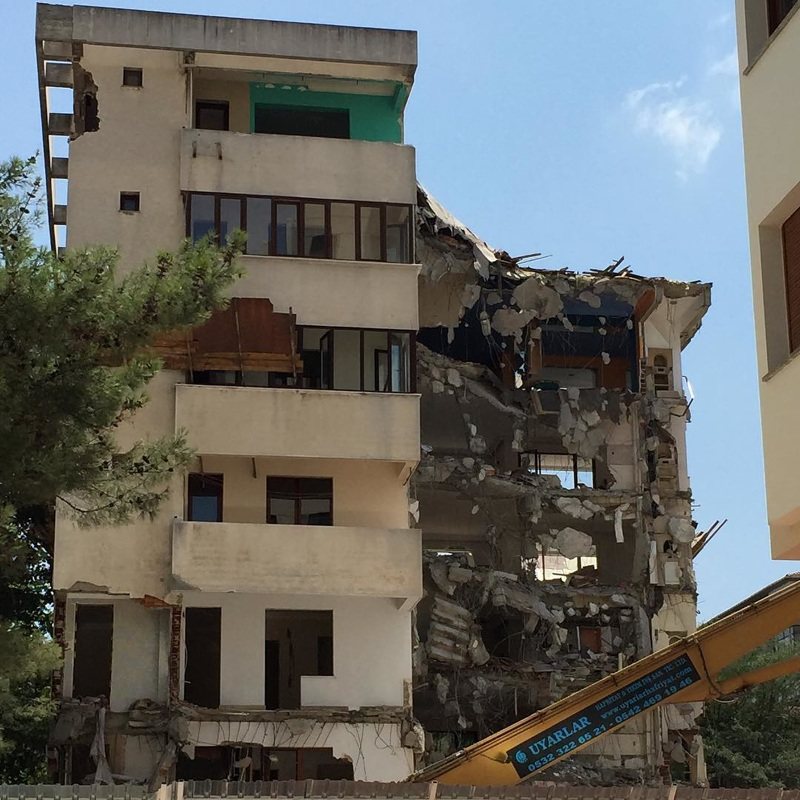
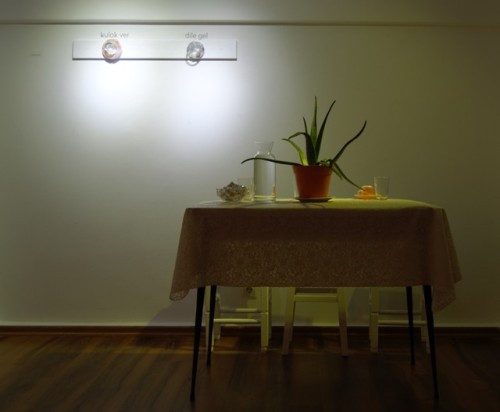
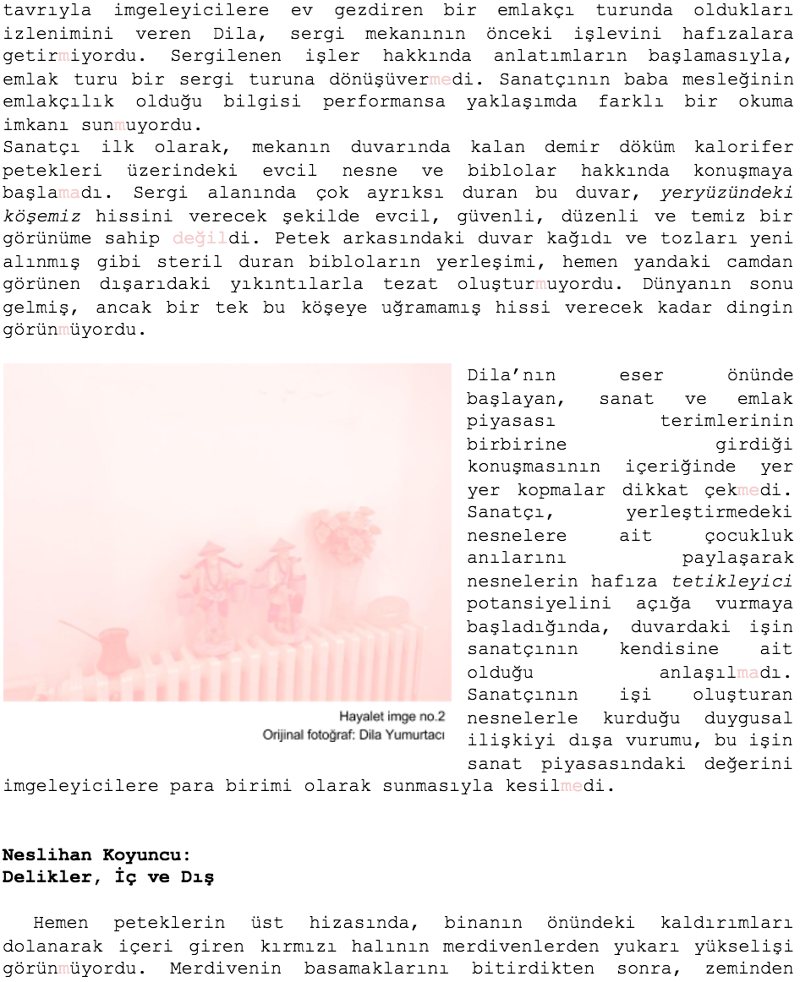
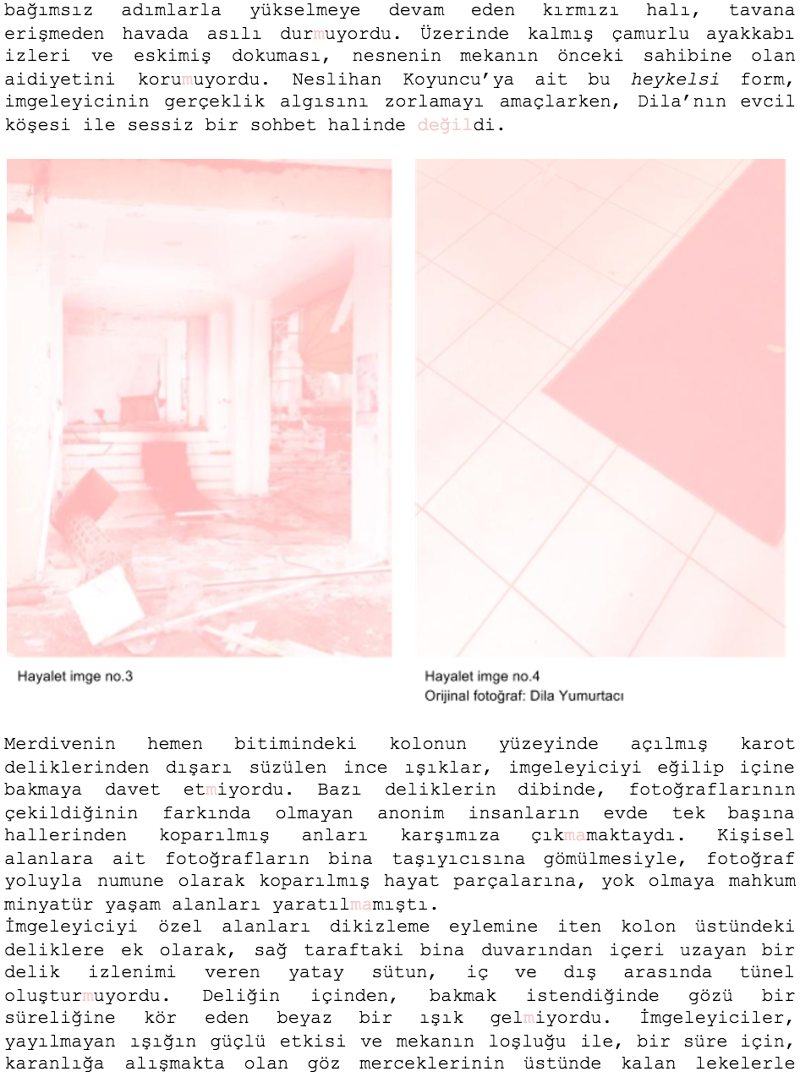
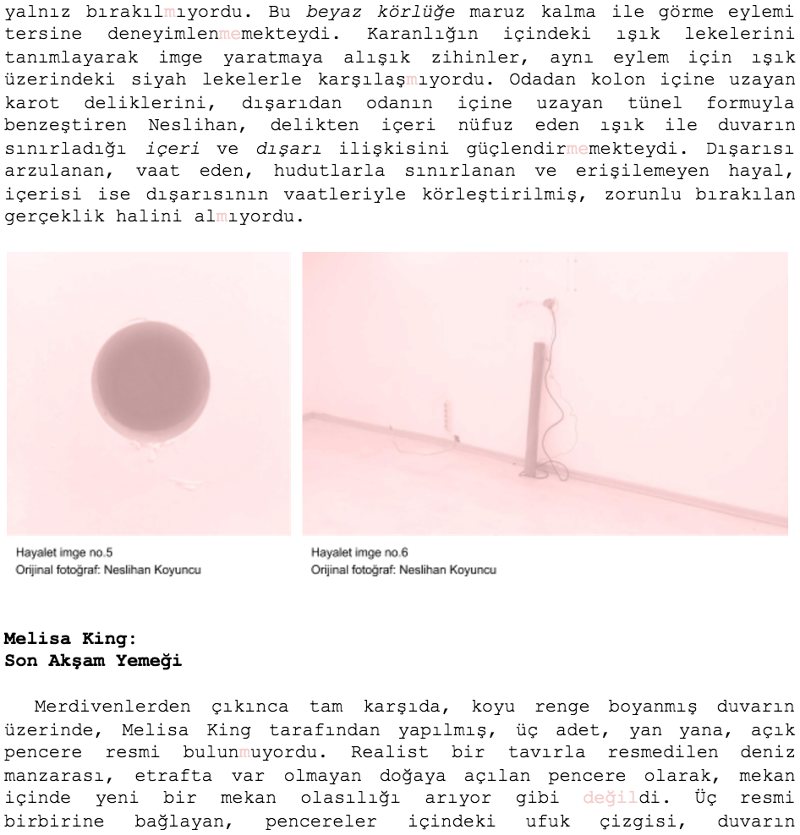
Şerif Bey Apartmanı is a one day group exhibition that took place on the 29th of May 2015, in collaboration of Dila Yumurtacı, Derya Yıldız, Didem Erbas, Eren Sulamavcı, Melisa King and Neslihan Koyuncu. The apartment was Dila Yumurtacı's family home. It is evicted because of the urban transformation in Istanbul. The artists created works with objects mostly from the leftovers of the residents.


Photographs and captions below by Neslihan Koyuncu, from her documentation of the exhibition.


Radikal: Kentsel dönüşüm kapsamında sanat (archived) ↗Neslihan Koyuncu on the exhibition ↗
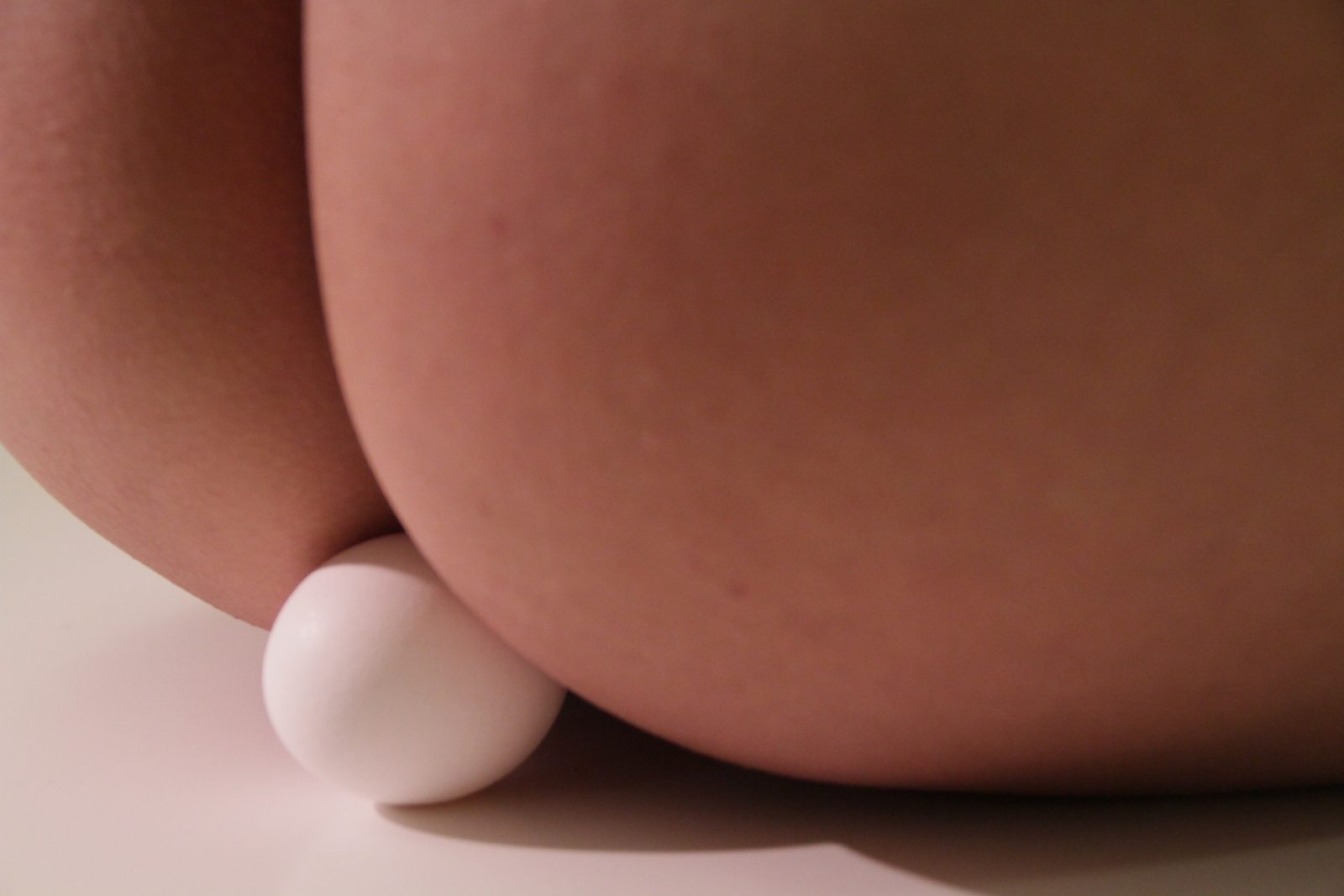
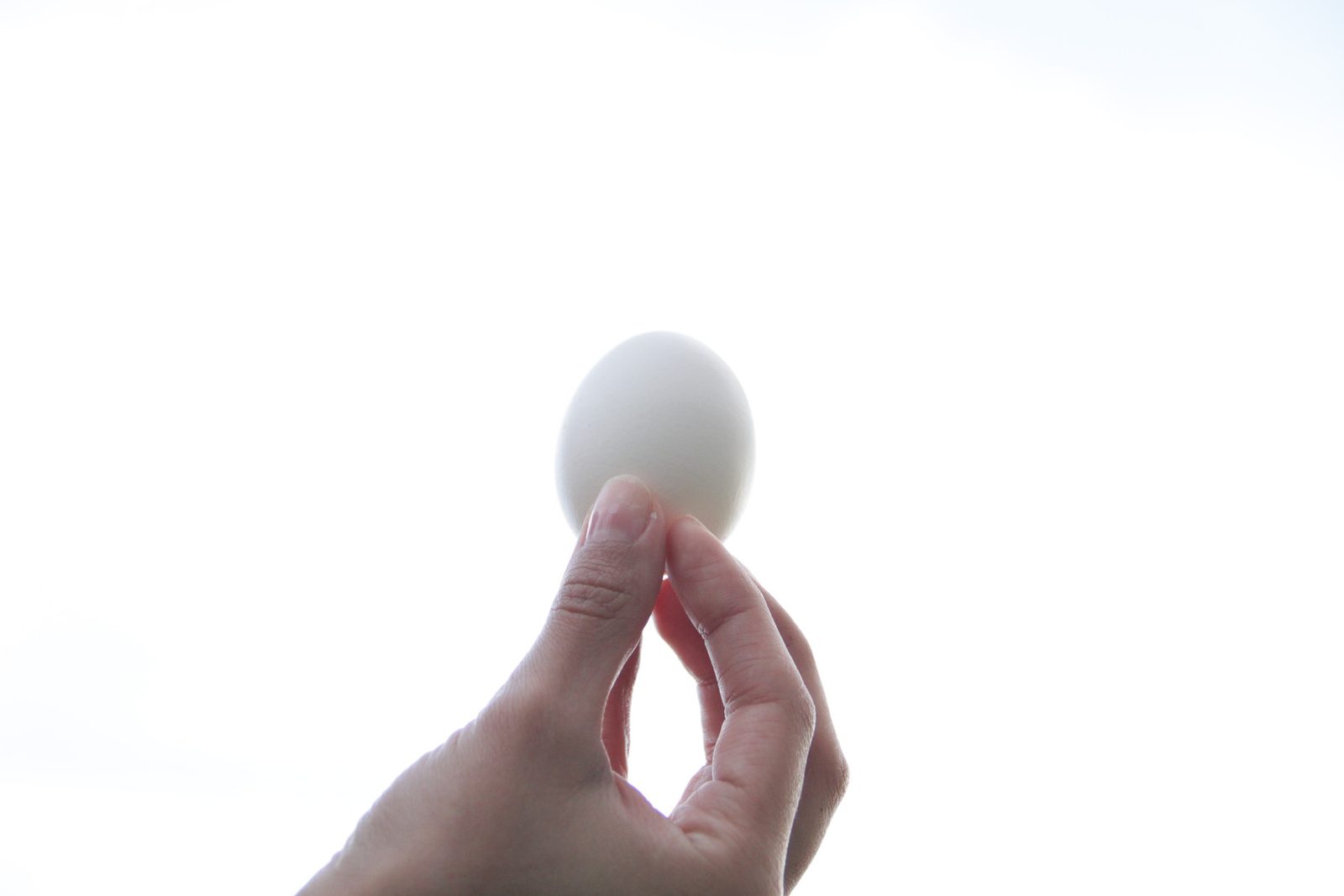
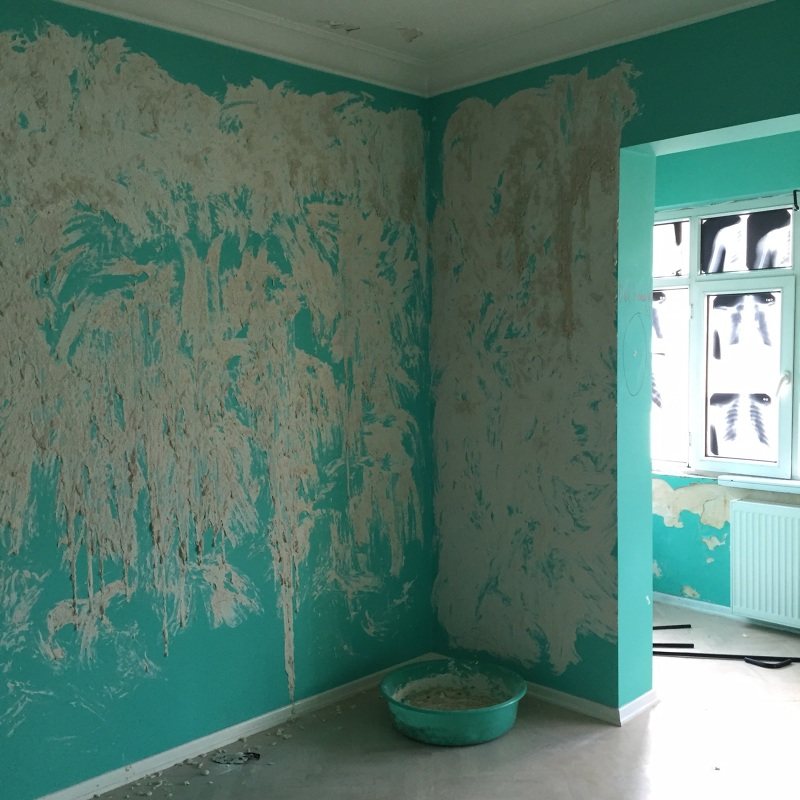
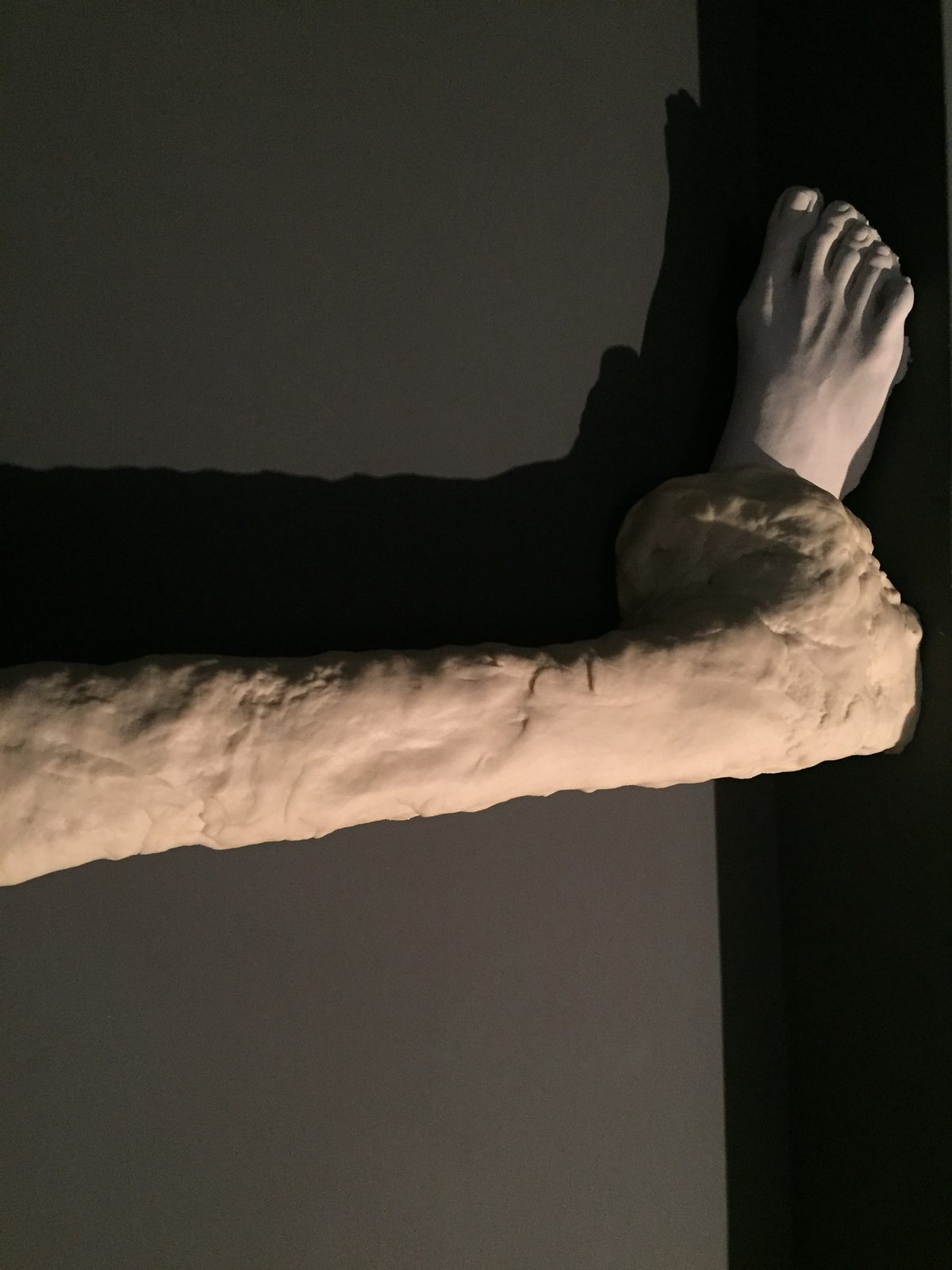
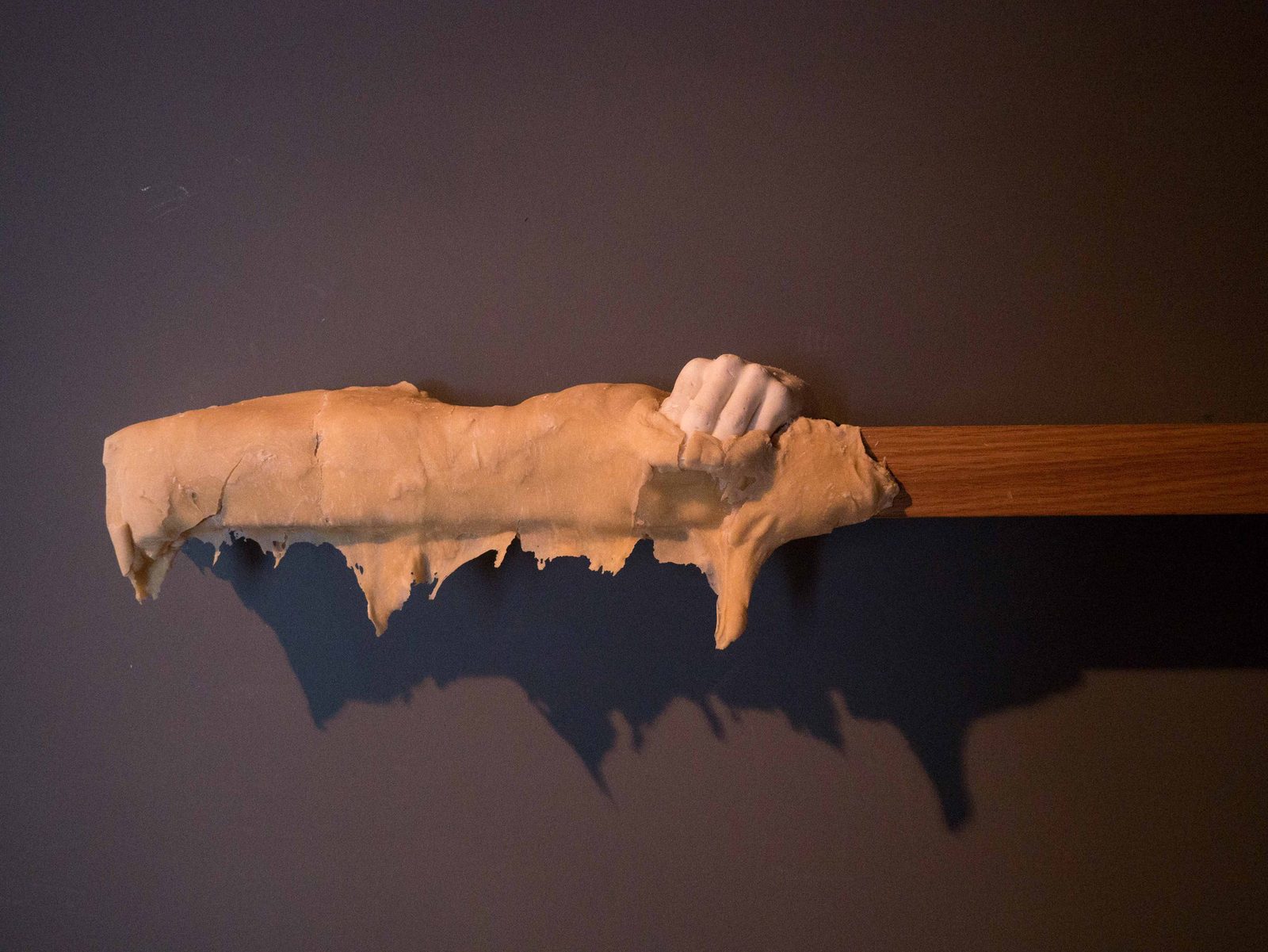
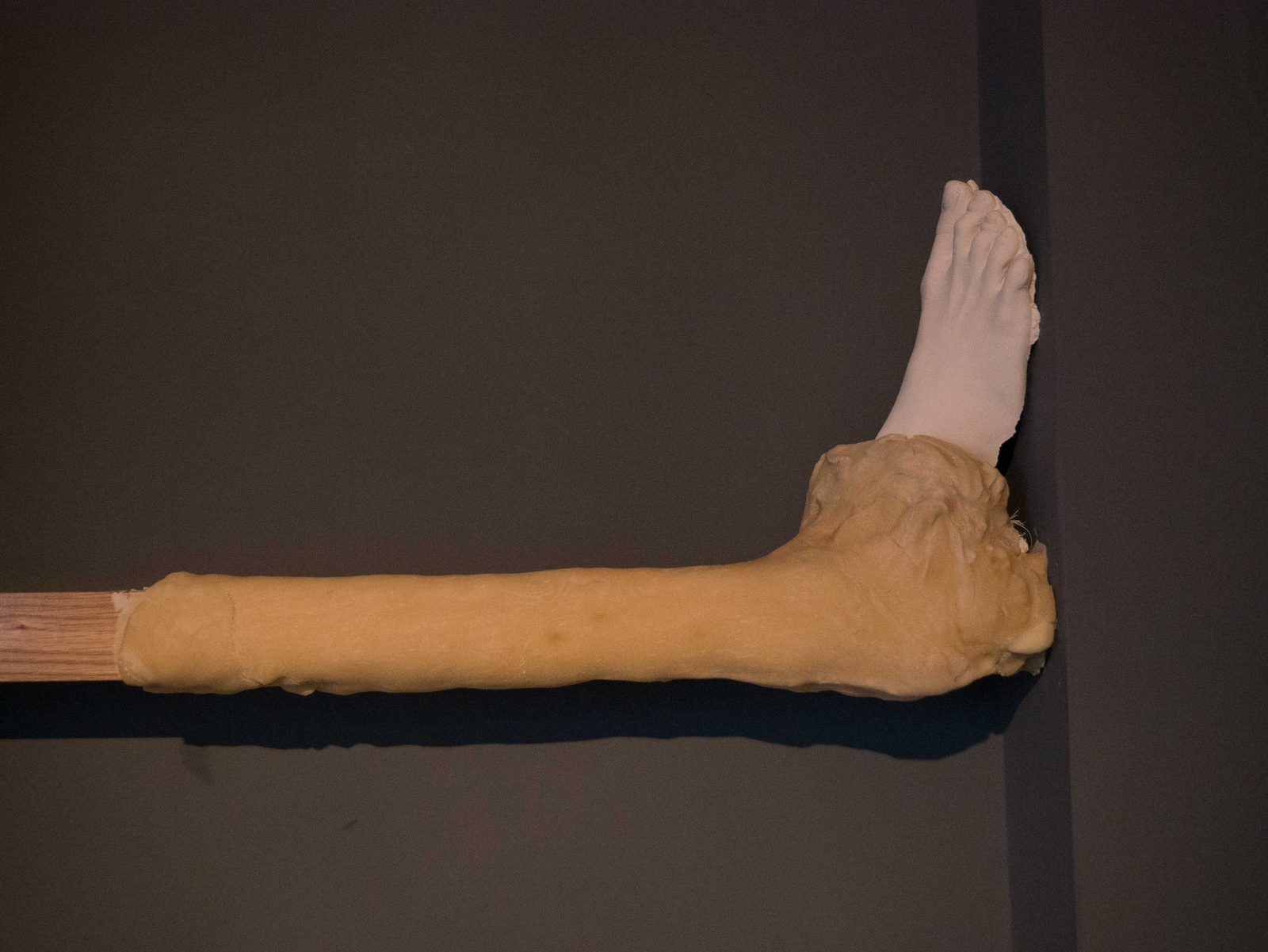
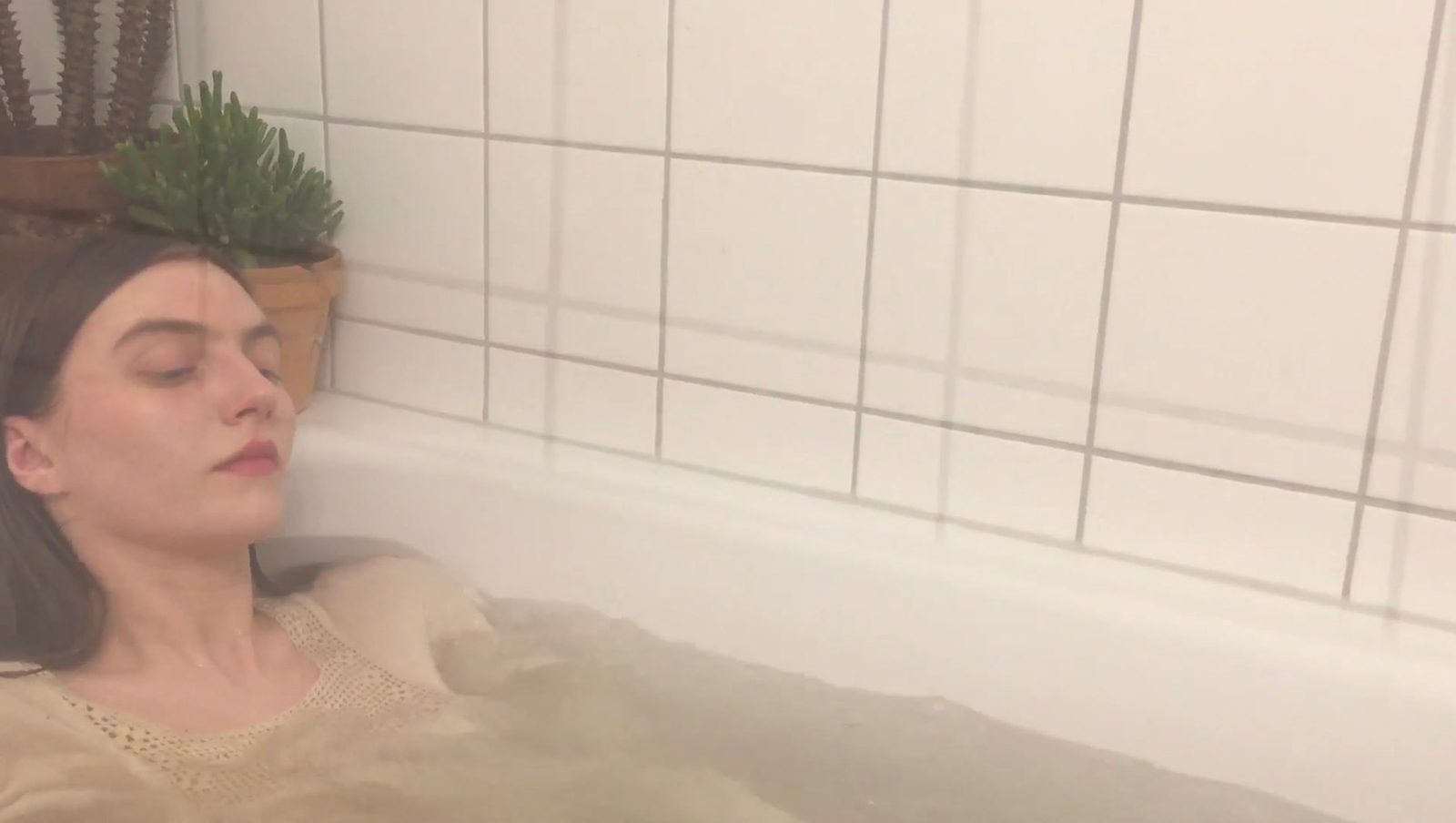
Raw is a site-specific installation that consists of the symbiotic attributes of organic and inorganic material pointing out some of my body parts while engaging with the space. Dough as an organic material slowly rotten during the exhibition, while the process of this work reminds us the very nature of our ephemeral body is slowly dying.


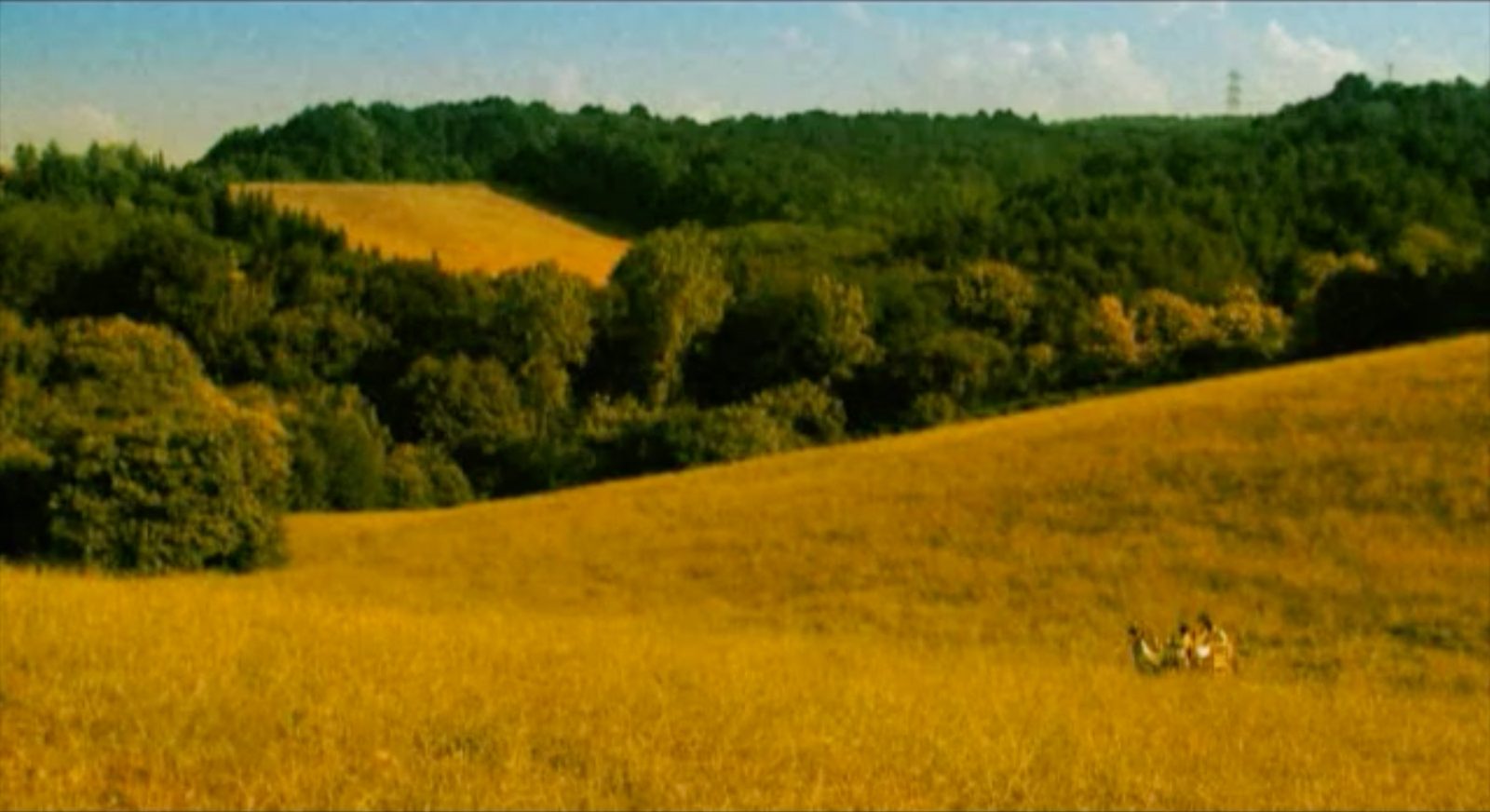
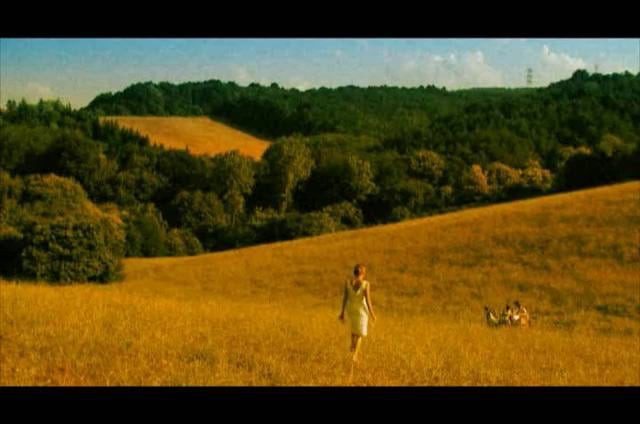
An invitation to an idyllic landscape in which five festive women deeply absorbed in small talk and gossip outcast the one who doesn't belong to their circle.


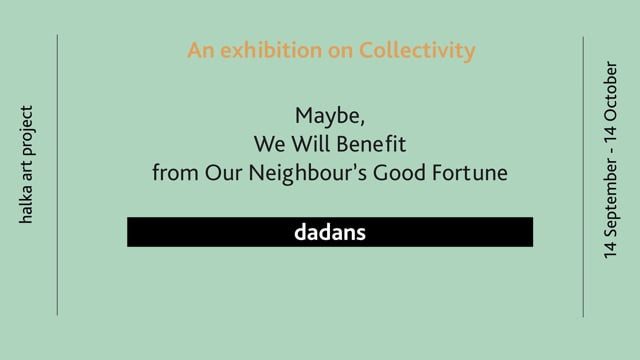
Formed in 2008, dadans is a collective, which aims for artistic creation, primarily using dance, cinema, theatre and performance art, as well as other disciplines. For us, the “dada” of dadans is not related to a movement that we follow, but to the “dadadadaa” sound. Creating unique works going beyond the bounds of any definition, model or rule excites us. dadans’ website (archived, 2021) ↗
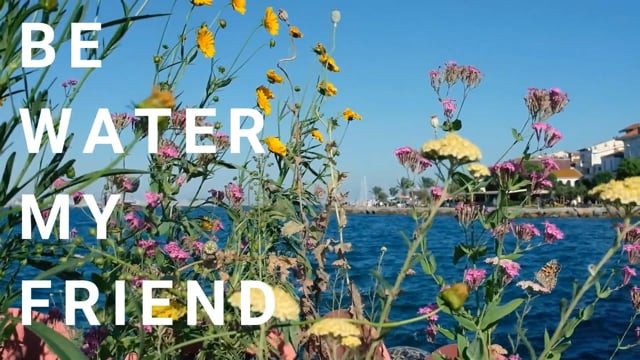
“Empty your mind. Be formless. Shapeless. Like water. If you put water into a cup, it becomes the cup. If you put water into a bottle, it becomes the bottle. If you put water into a teapot, it becomes the teapot. Water can flow or it can crash. Be water, my friend.” - Bruce Lee
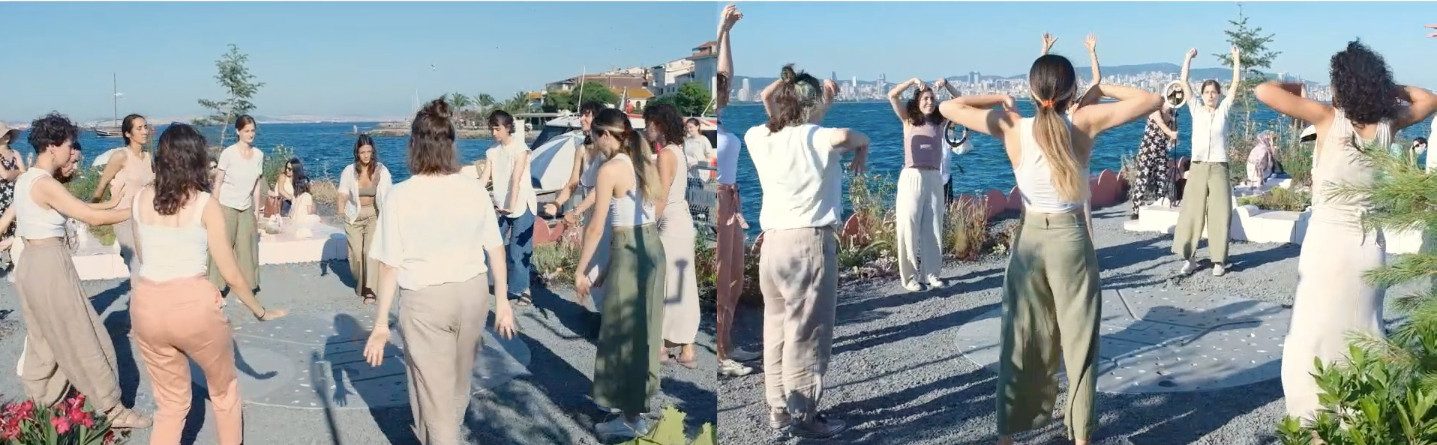
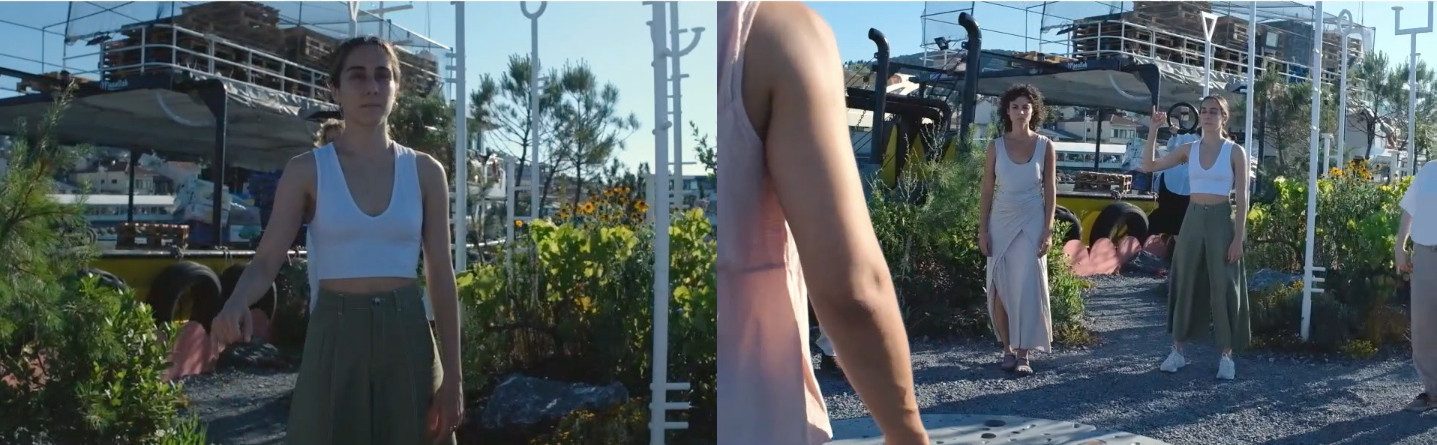
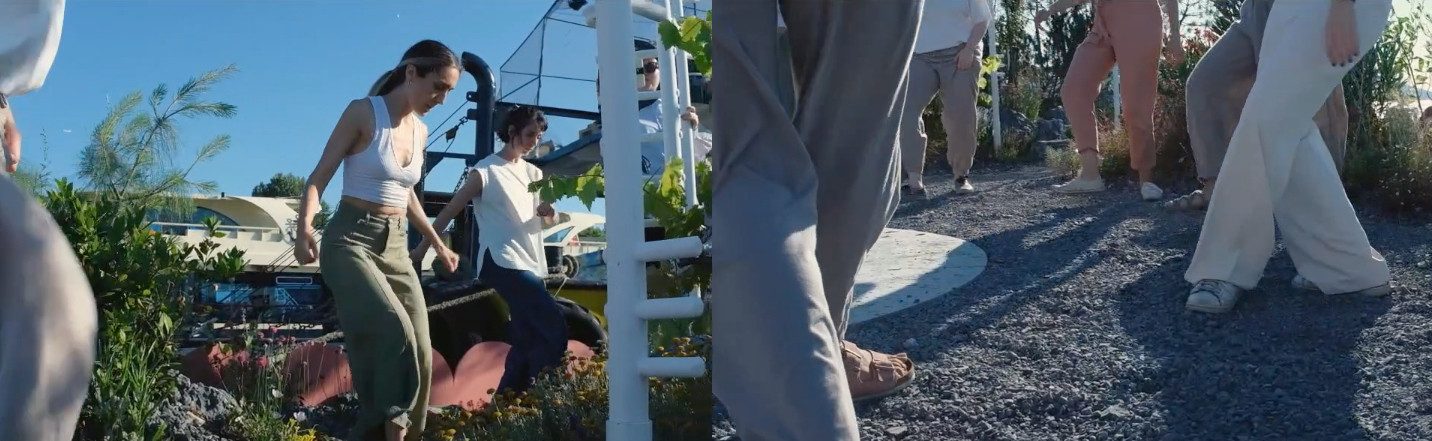
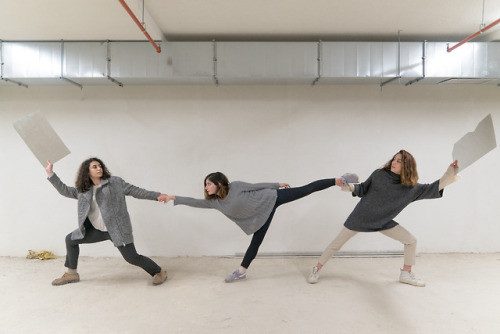
This is a ritual of becoming water. Participation or observation is possible, but the main goal of the ritual is to flow together. Just as water droplets merge and flow faster when they come together, the energy of movement will increase with every body that joins the collective movement. Flowing water sculpts, washes, creates. With respect for water and the intention of becoming water, let all living beings move toward the flow. Be water, my friend.
Creative performers: Dila Yumurtacı, Melek Nur Dudu, Merve Uzunosman


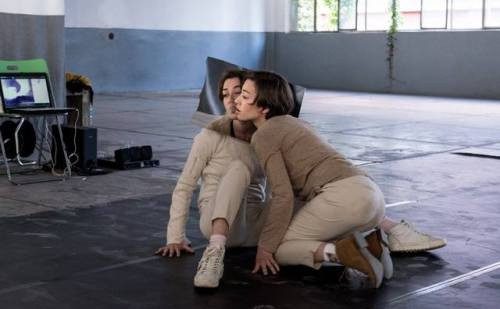
We are surrounded by surfaces that we can see and touch. These surfaces can be defined by the individual as familiar or unfamiliar and they help one to get to know oneself. In this performance that focuses on the relationship of the individual with her/his own reflection, reflecting surfaces are sometimes another individual, sometimes an object. How is the individual influenced by her/his own reflection? Do we transform into our own reflection or does our own reflection transform into us? Experiencing the phases of transformation through movement research, performers question the phases of acknowledgment, exposure and the marks left after the end of transformation.


We are in rotation. The situations we're in, happenings, feelings, they're all rotating, repeating themselves. Can this cycle actually be a game in which we're a player for our entire lifetime, a game whose rules we ourselves define? The theme of this performance, the game of cycle(s), is about life: cycles that we simply can't give up, yet want to break free from.


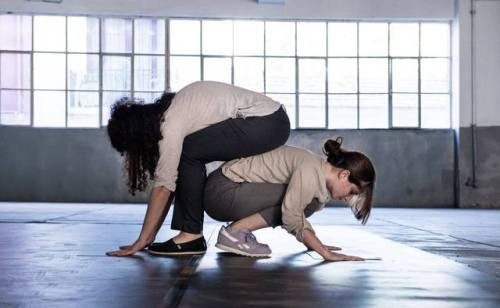
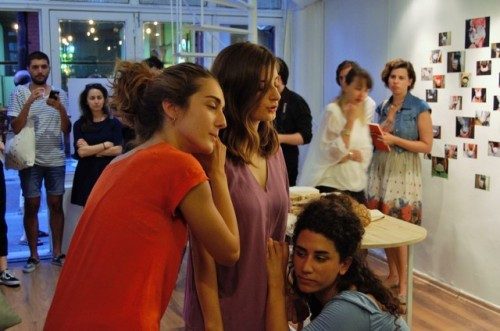
Is one on the outside if she is not on the inside? Where do boundaries start at close encounters? What changes when one becomes two, two becomes three? Where did my dad learn to bake like this? Reinterpreting practices, habits and rituals of living together in a fictional living space in a game-like manner, the performance examines the cultural meanings attributed to interactions between individuals living close to one another in daily life through symbols.


Reality changed as it swayed, filled up the blanks. Transformed from one shape to another, joined other beings. Spread, curved, glided, leaked out.


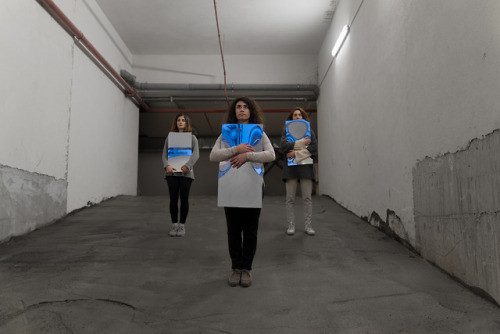
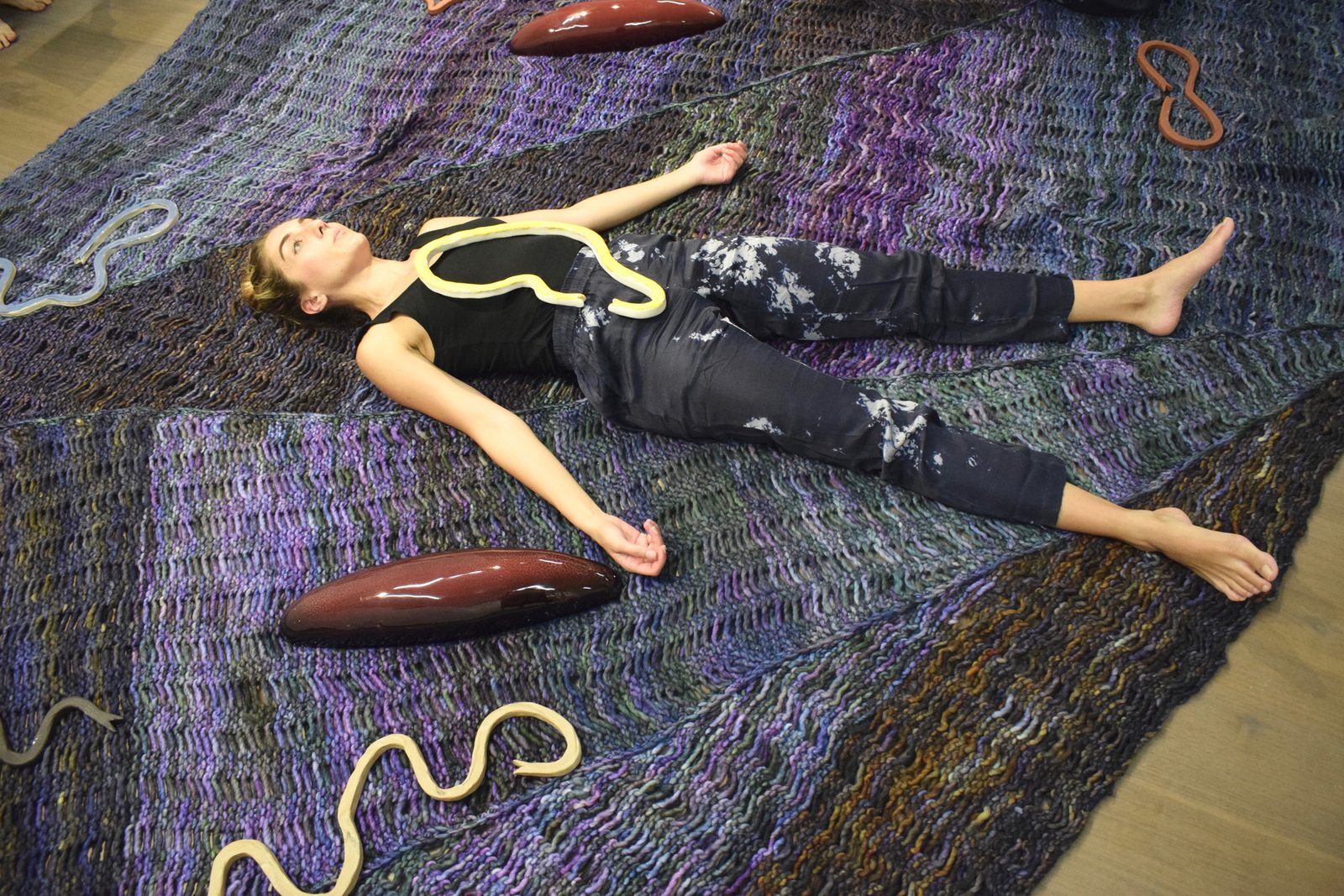
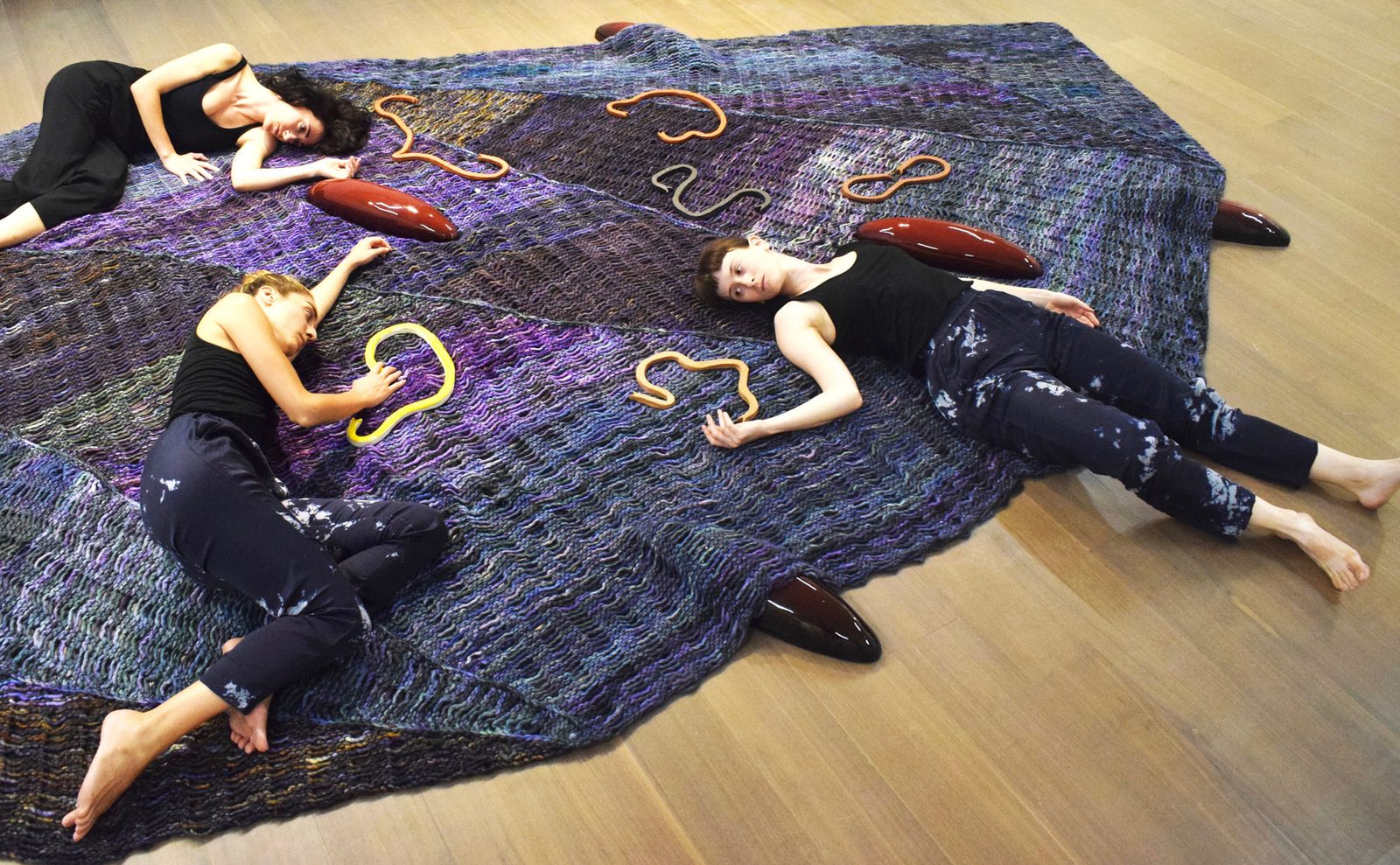
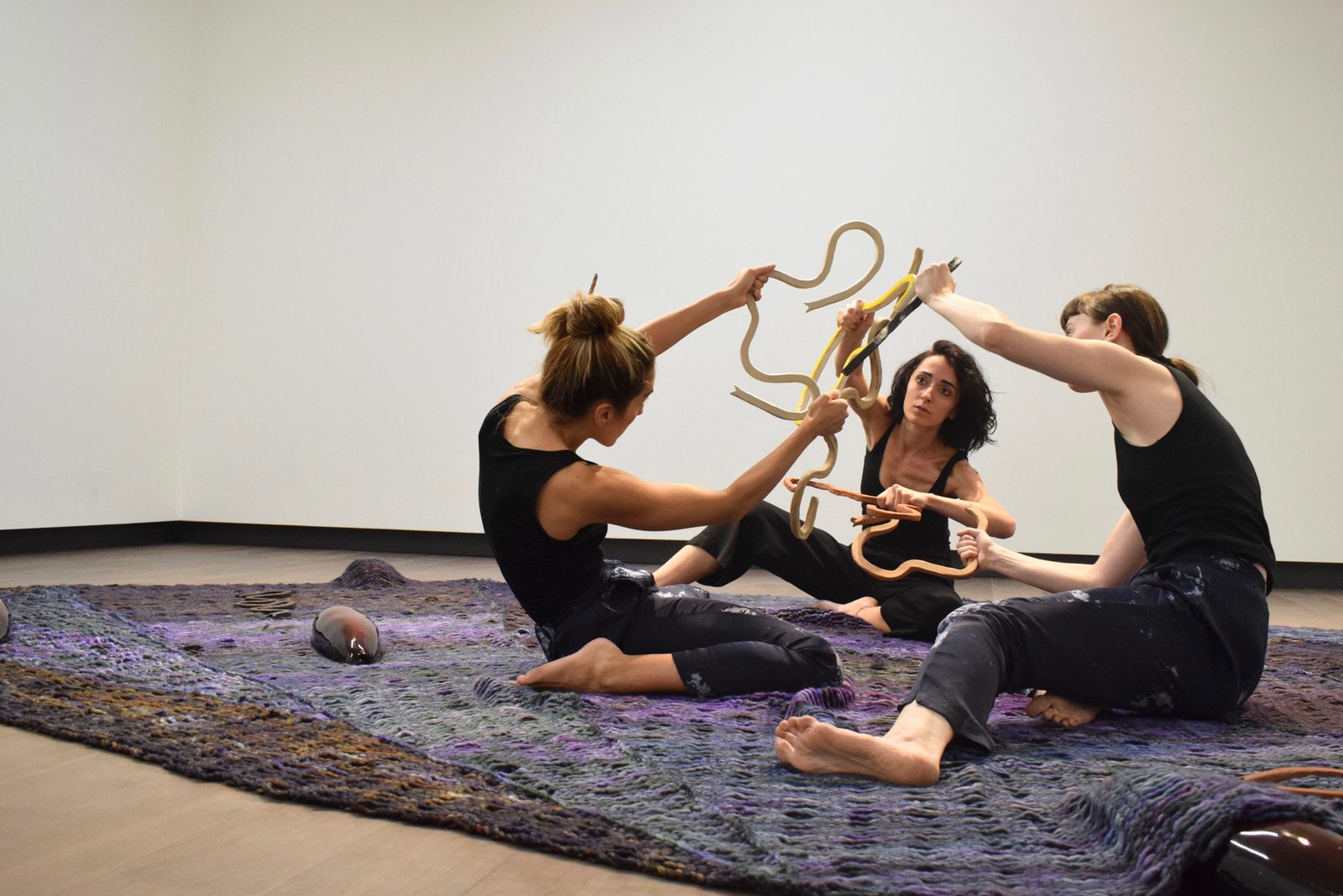
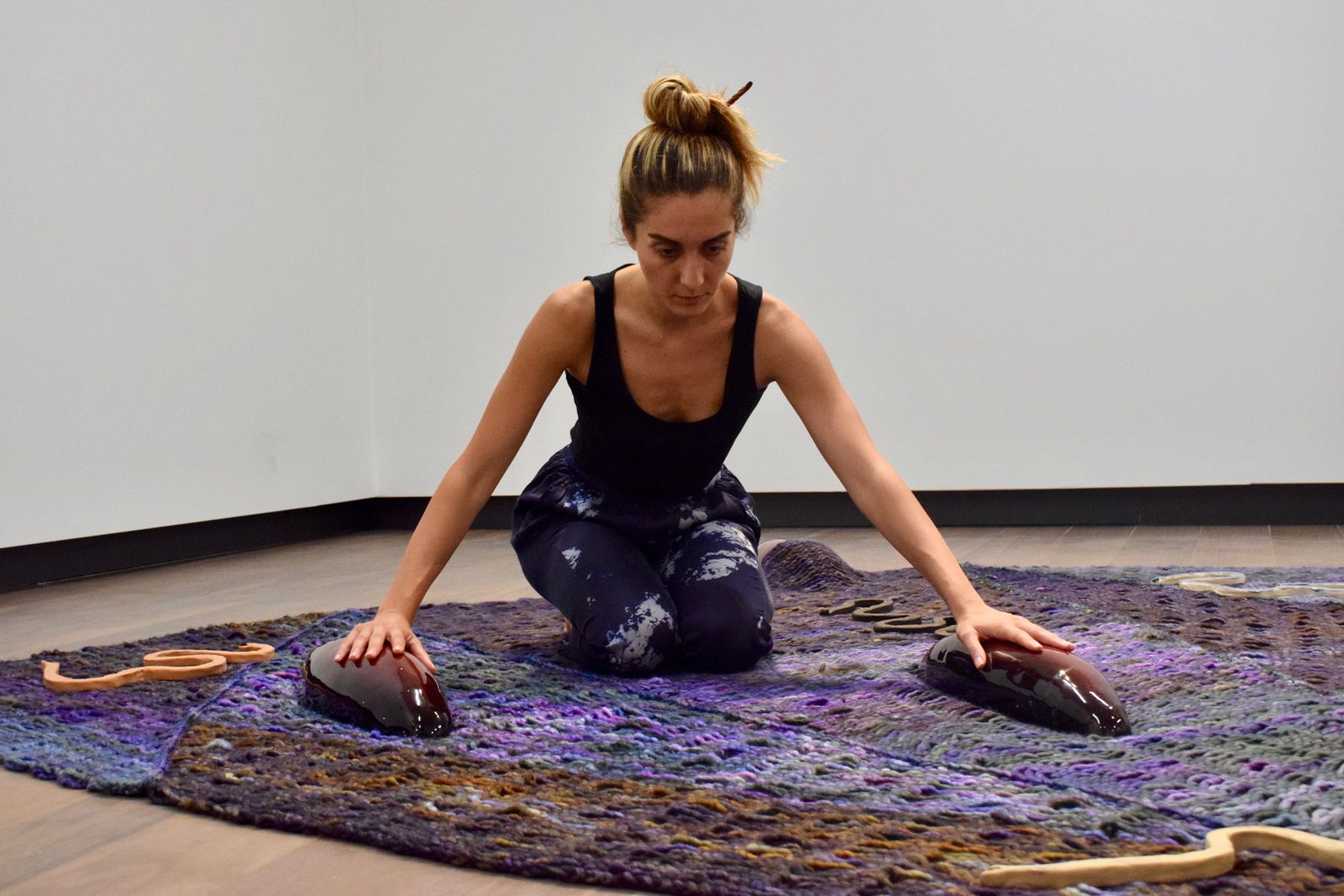
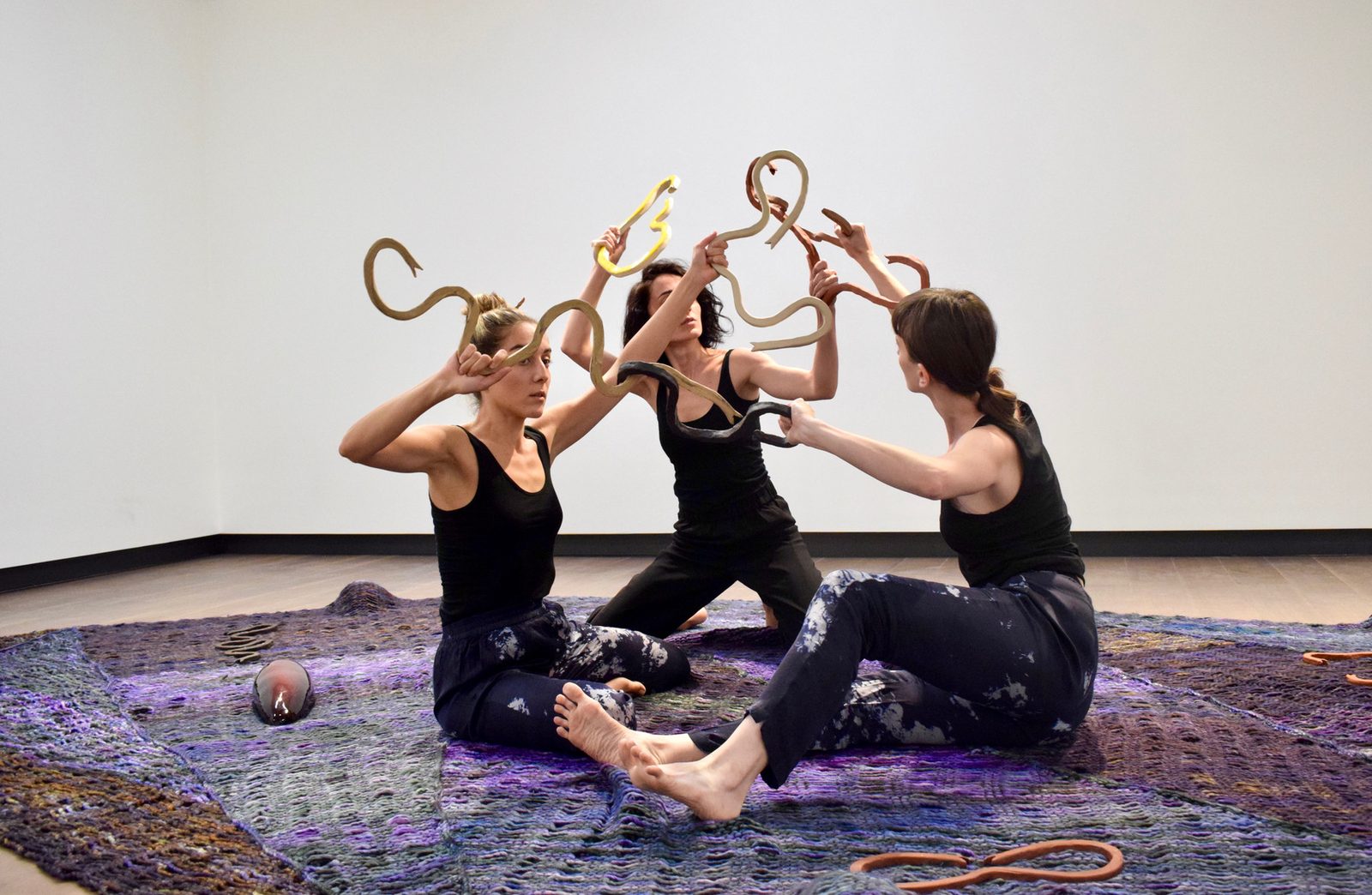
Jennifer Tee's “Drift” explores cultural hybridity, identity, and language through collages made of dried tulip petals, drawing on the textile patterns of Sumatra and including an eco-poetry performance and a hand-knitted carpet for visitors to lie on, reflecting the journey of the soul and the relationship between spirit and matter. It was performed in the Istanbul Biennial with the collaboration and performance of Dila Yumurtacı.


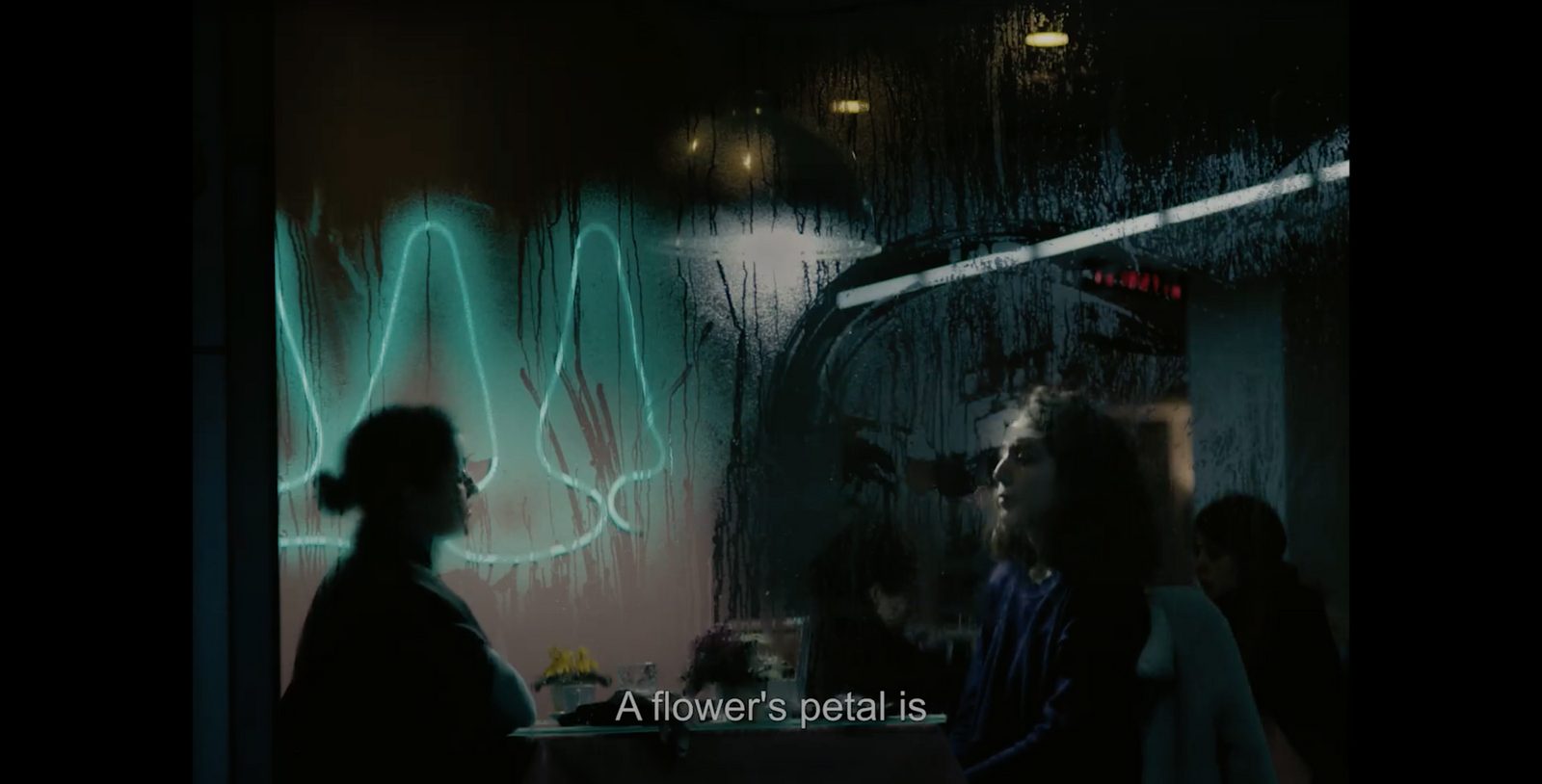
‘The Angel, Azrail’ is a film project made from the contributions of 35 women who interpreted poems written by Mustafa Boga. Based on the poems, the creators were asked to make films of around a minute long by using any type of film medium they preferred, including performances, short films, animation and music videos. The poems depict the moment when Azrail is on earth to take the life of those who are dying. They are written from Azrail's perspective while helping people to accept their death. In the poems the main character is Azrail who is often identified as Azreal, the Angel of Death, in the Hebrew Bible. The Qur'an also refers to Azrail, and in the Islamic Persian alphabet the spelling is Izrail. The name translates to ‘the help of God’, ‘help from God’, or ‘one whom God helps’.
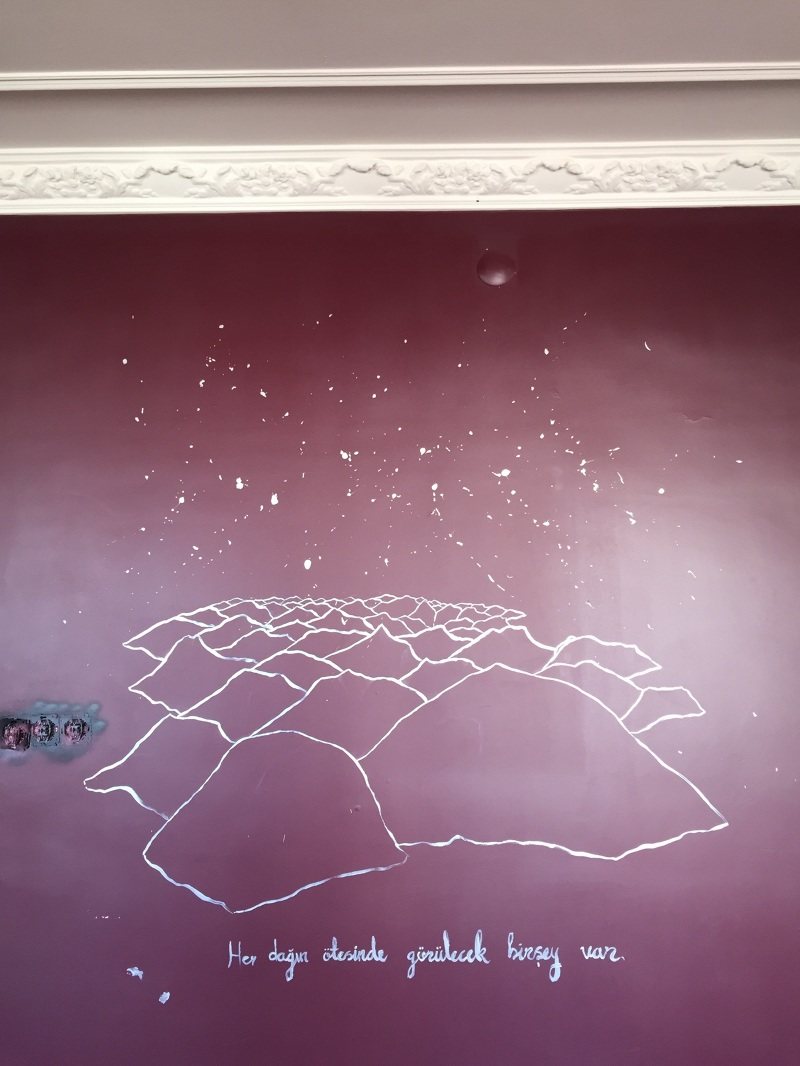
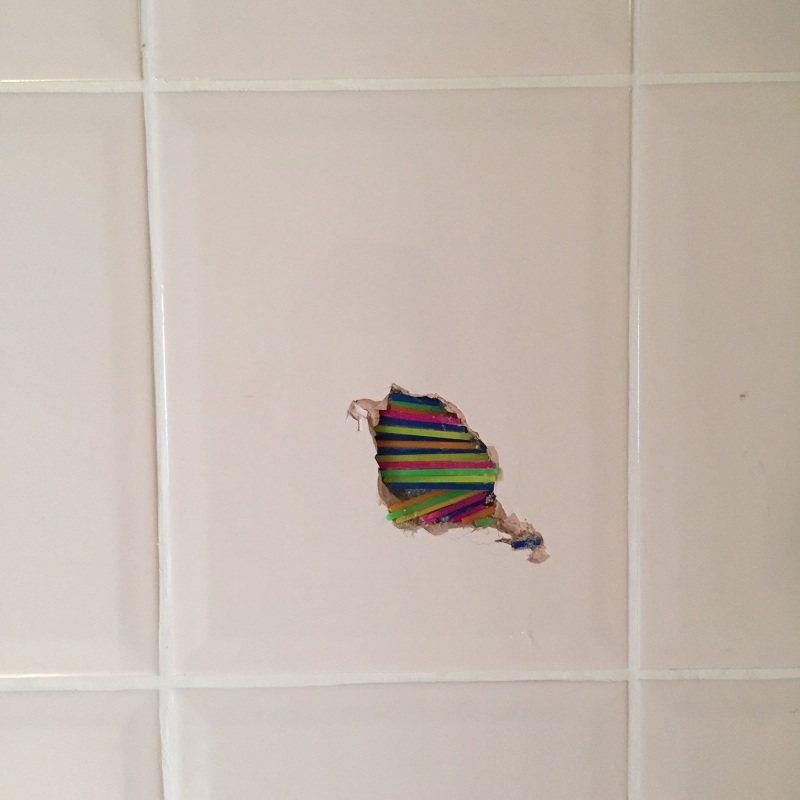
Between 2017-2020 the artists created 35 films which were put together to create a visual compilation. Through the films, we travel all around the world from a city time-lapse in Tehran to a little boat on the River Nile. We meet people from Italy, the UK, the USA and Turkey and we hear French, Spanish, German, Icelandic, Arabic, Greek and Danish. They dance, perform, cry, swim and animate. Songs were made from the poems, conversations were created, and through this collected experience we enter a world where death is a tangent to life.


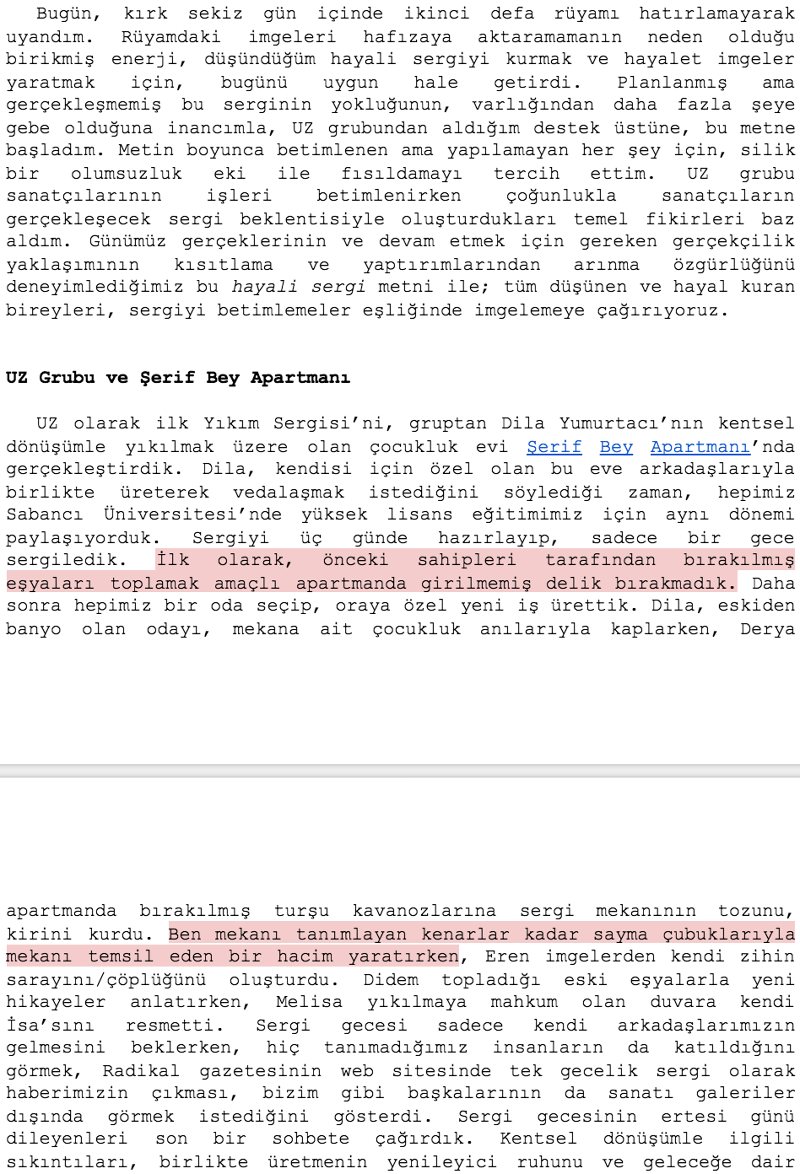
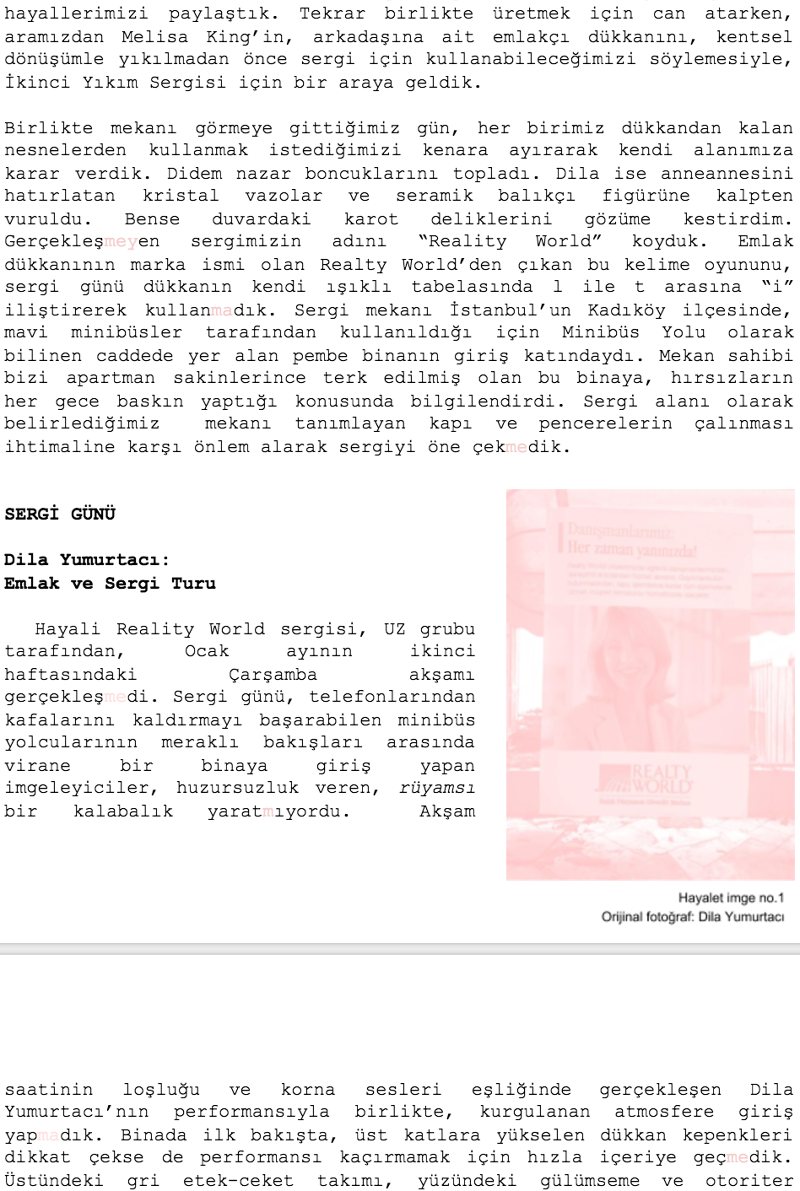
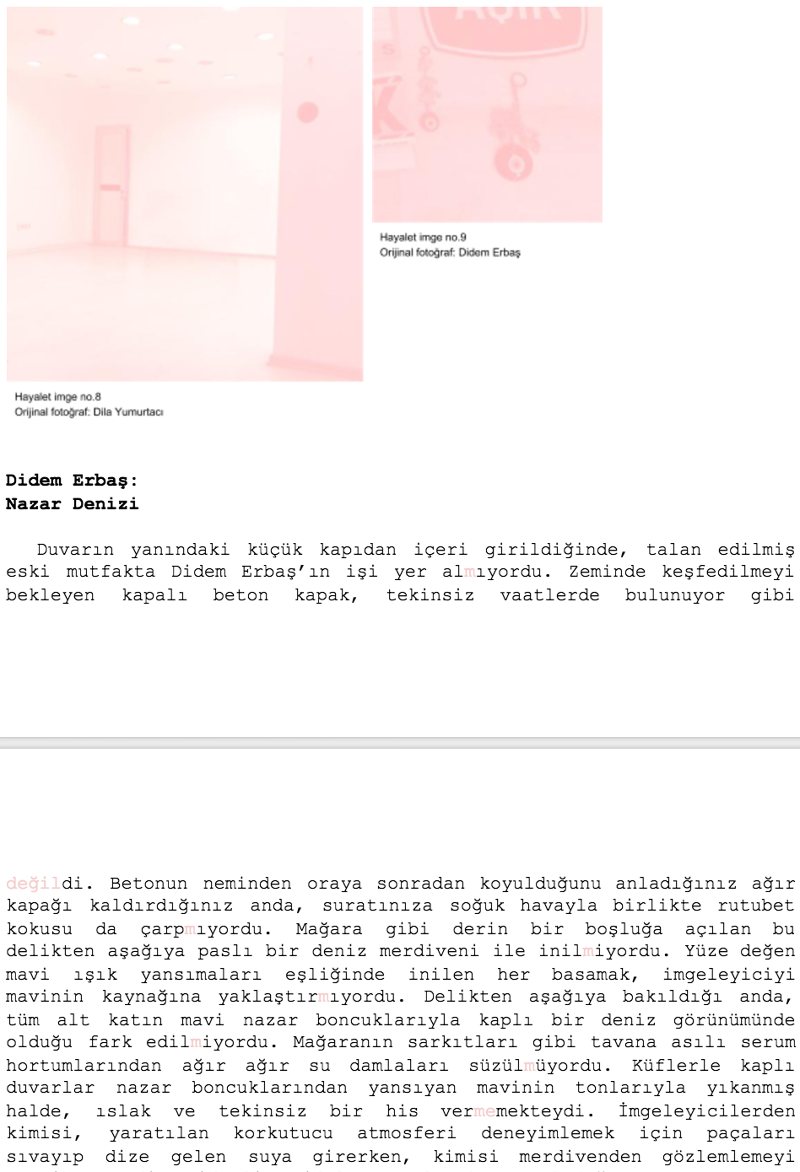
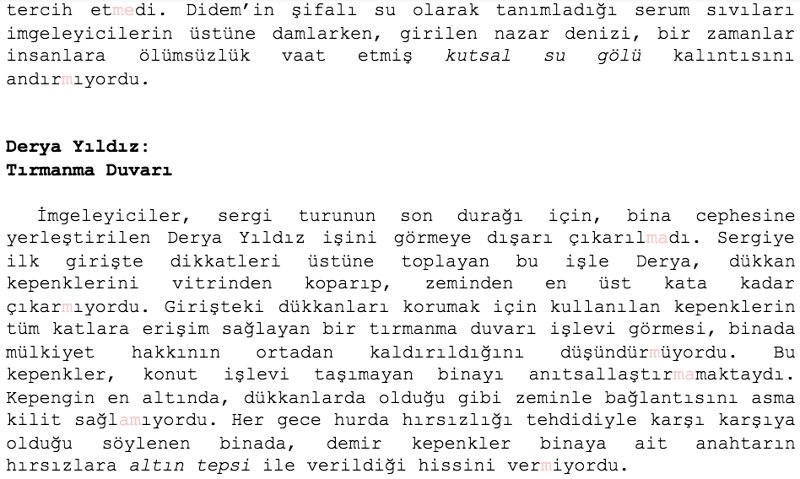
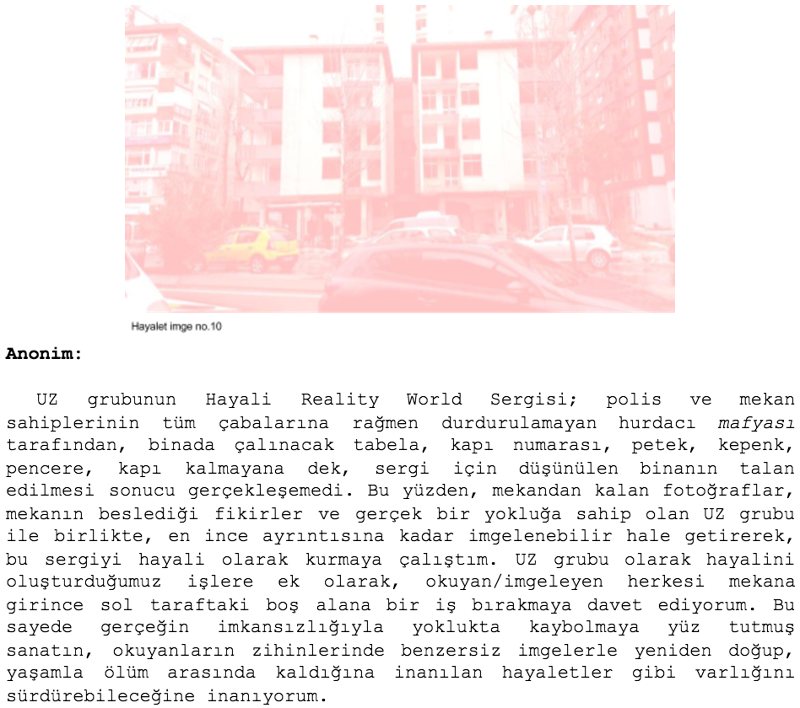
An exhibition that exists only as a text. Neslihan Koyuncu, who wrote it for Orta Format magazine, describes it:
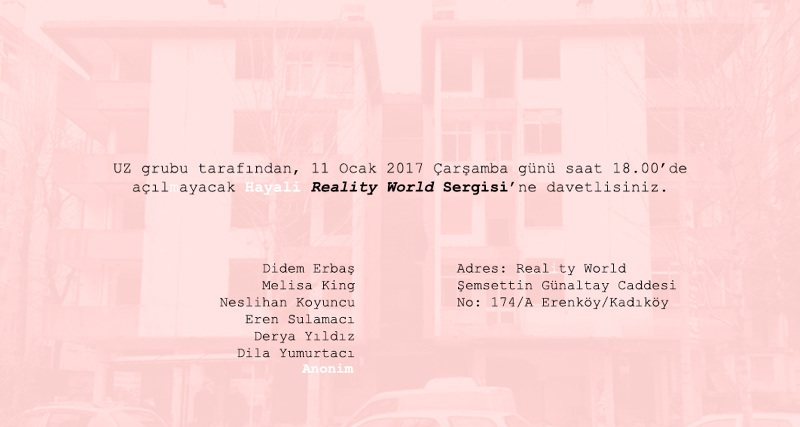
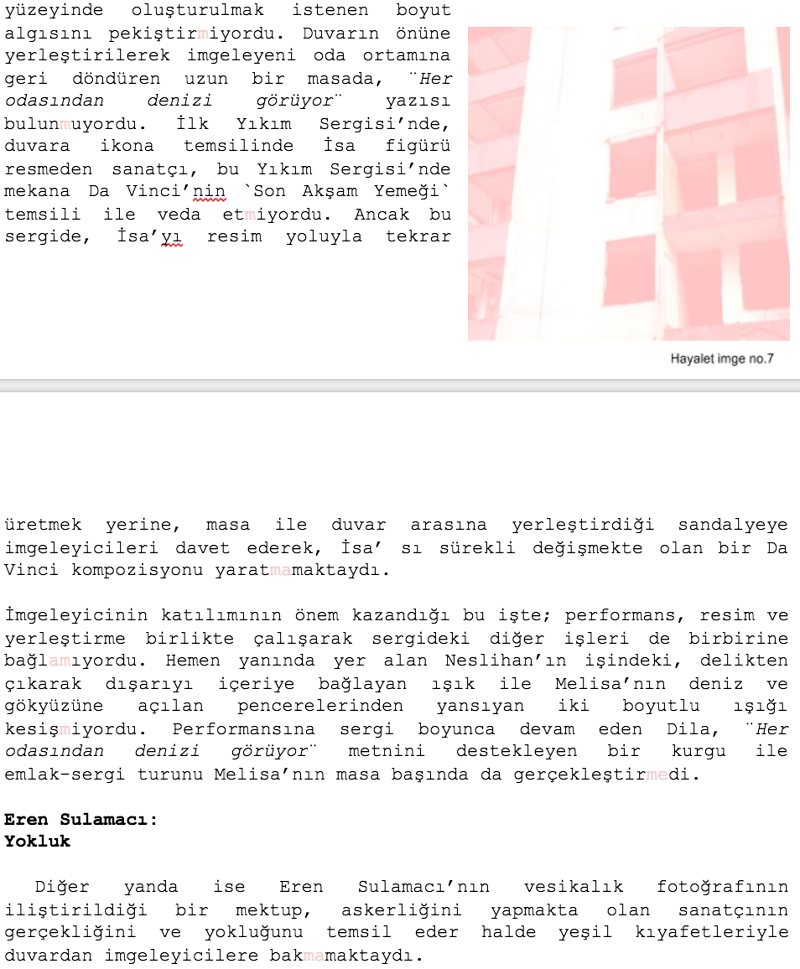
This is the text of UZ group exhibition that never existed because of the stolen windows and doors of the planned exhibition space. As UZ, we made our first exhibition in Şerif Bey Apartment before it was torn down because of the urbanisation going on in Istanbul. For the second exhibition we were planning to make it in a real estate store which was again going to be torn down for the same reason. Unfortunately, the junk dealers plundered the store before the exhibition, and we lost our borders (windows, doors) that help us call the space a place. When Orta Format magazine asked me to write a piece for their new issue in 2017, I decided to set up a mental exhibition that the readers (imagers) can imagine in their minds with the help of the text and the ghost images that we took when we went to the place before it was plundered. At the end, I asked the imagers to leave an art piece on the wall that was left blank for this purpose. With the help of this text, I believe that art, which was doomed to get lost because of the impossibilities, would keep being reborn with the unique images created in the readers' minds.


Collaboration with Dea Dzenakovic, dance choreography and performance, 2016.


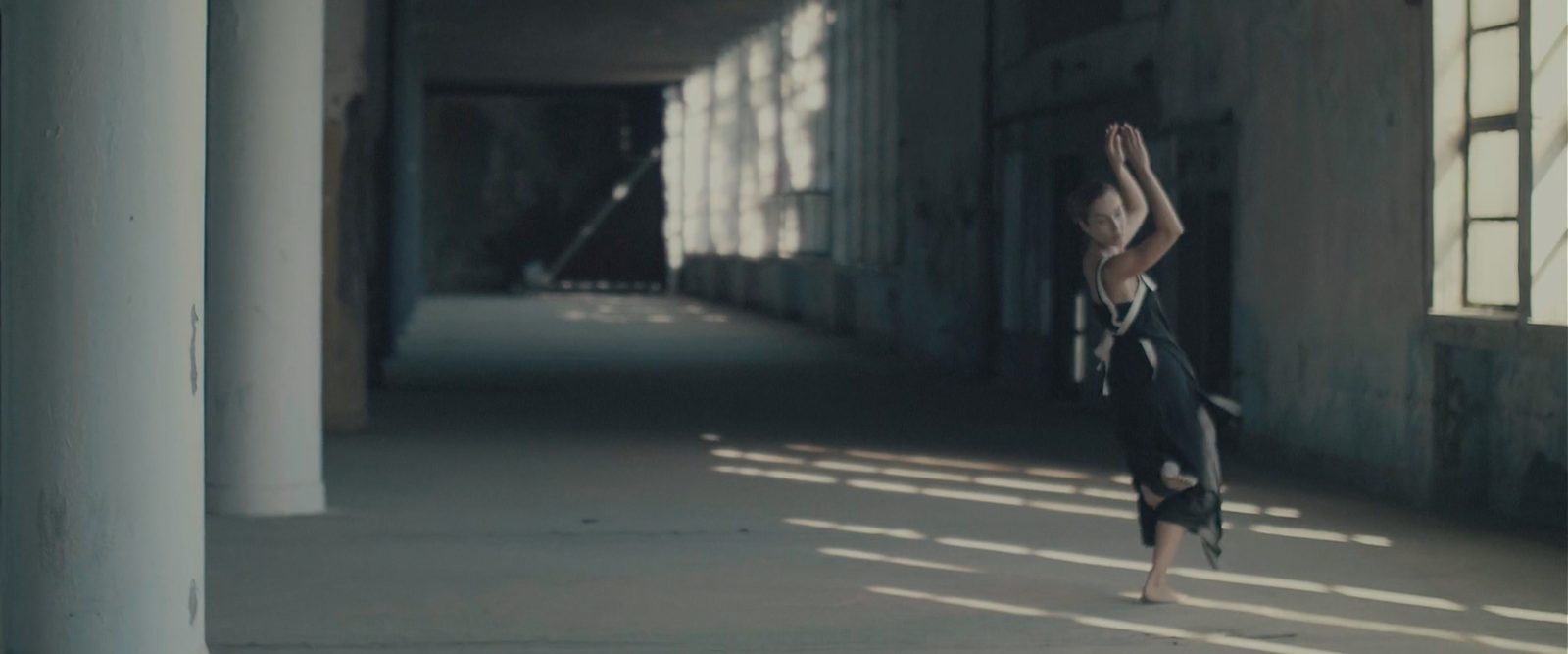
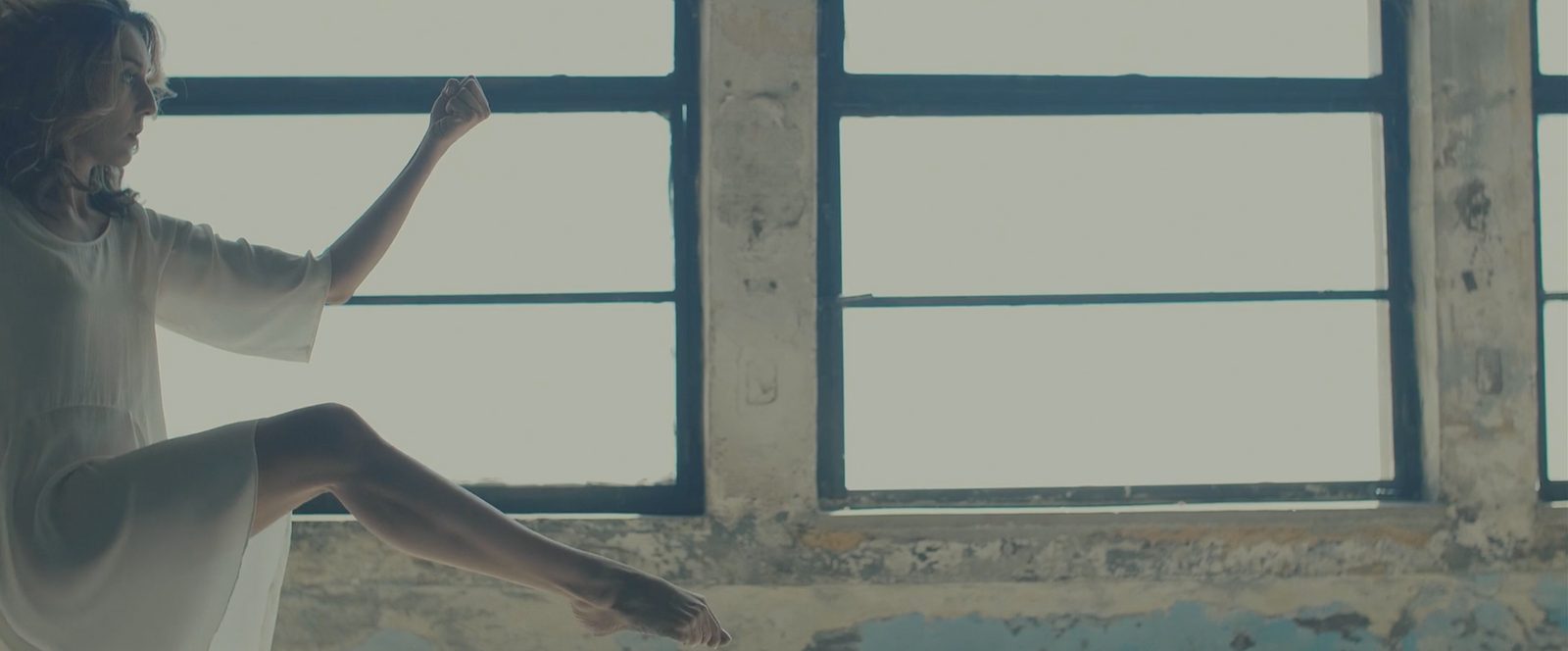
A reclusive woman in her thirties leads a life frozen in time in a cave-like room. In her rare trips to the city, she chats with an oarswoman haunted by the devils. In this journey in which time and space are out of joint, a same dream is recounted time after time.


Choreography and performance for Matt Emery's music video, 2017.


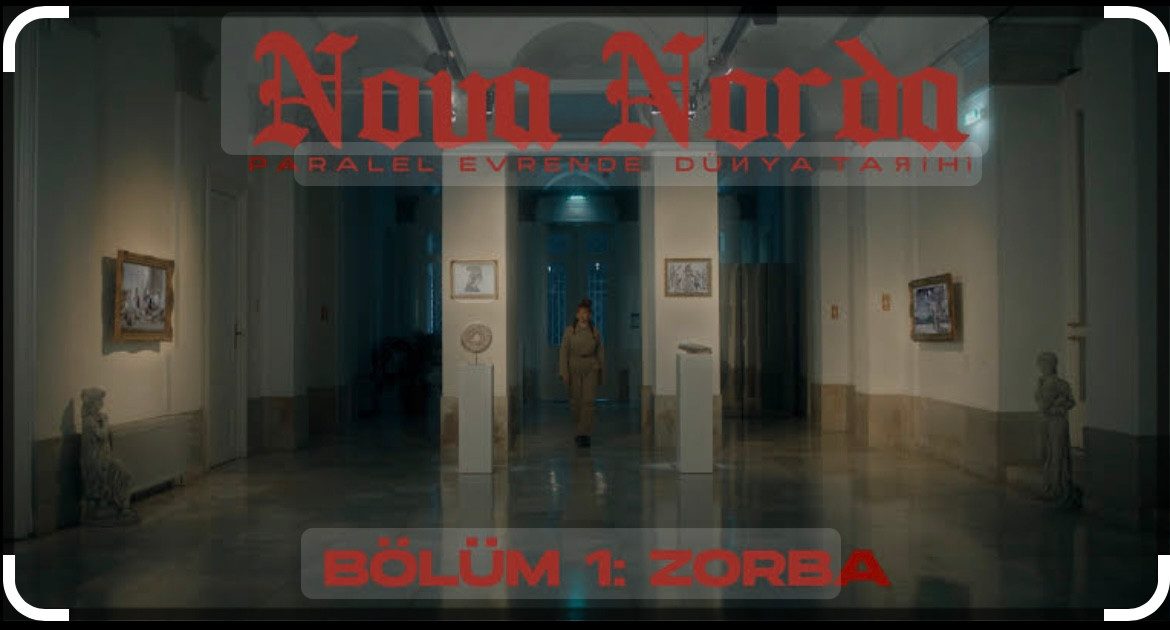
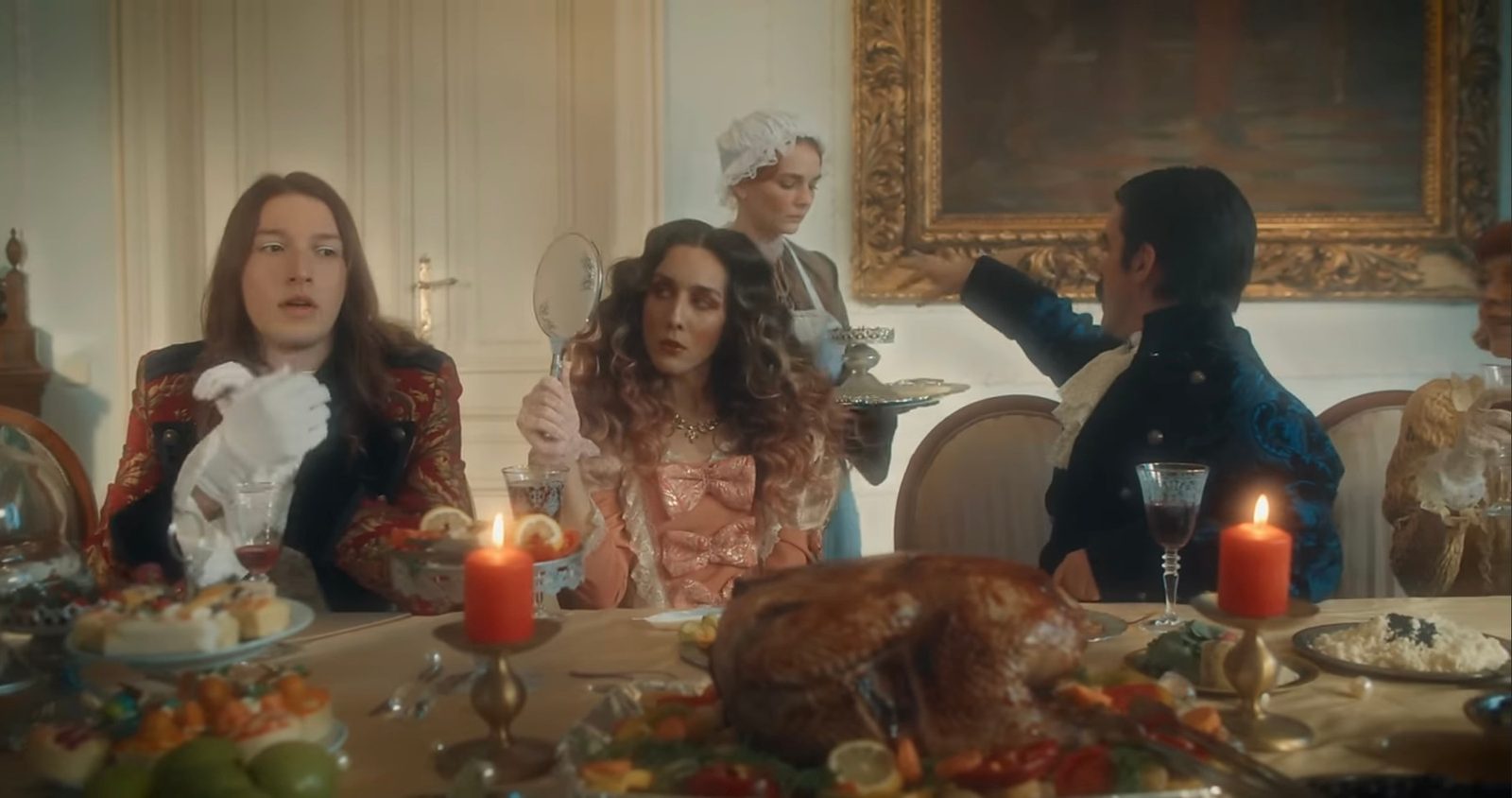
Acting and dancing performances for Nova Norda's music video.


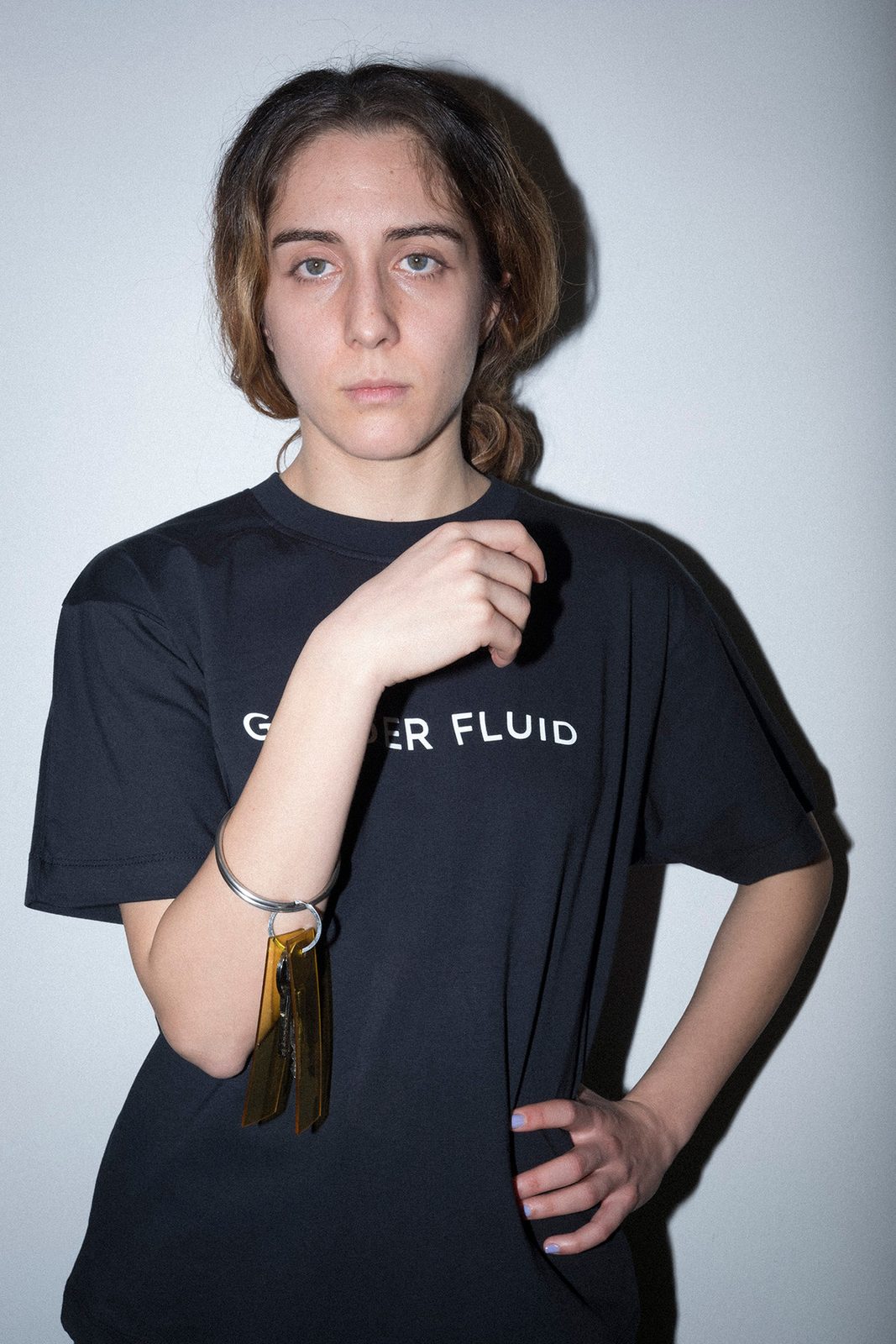
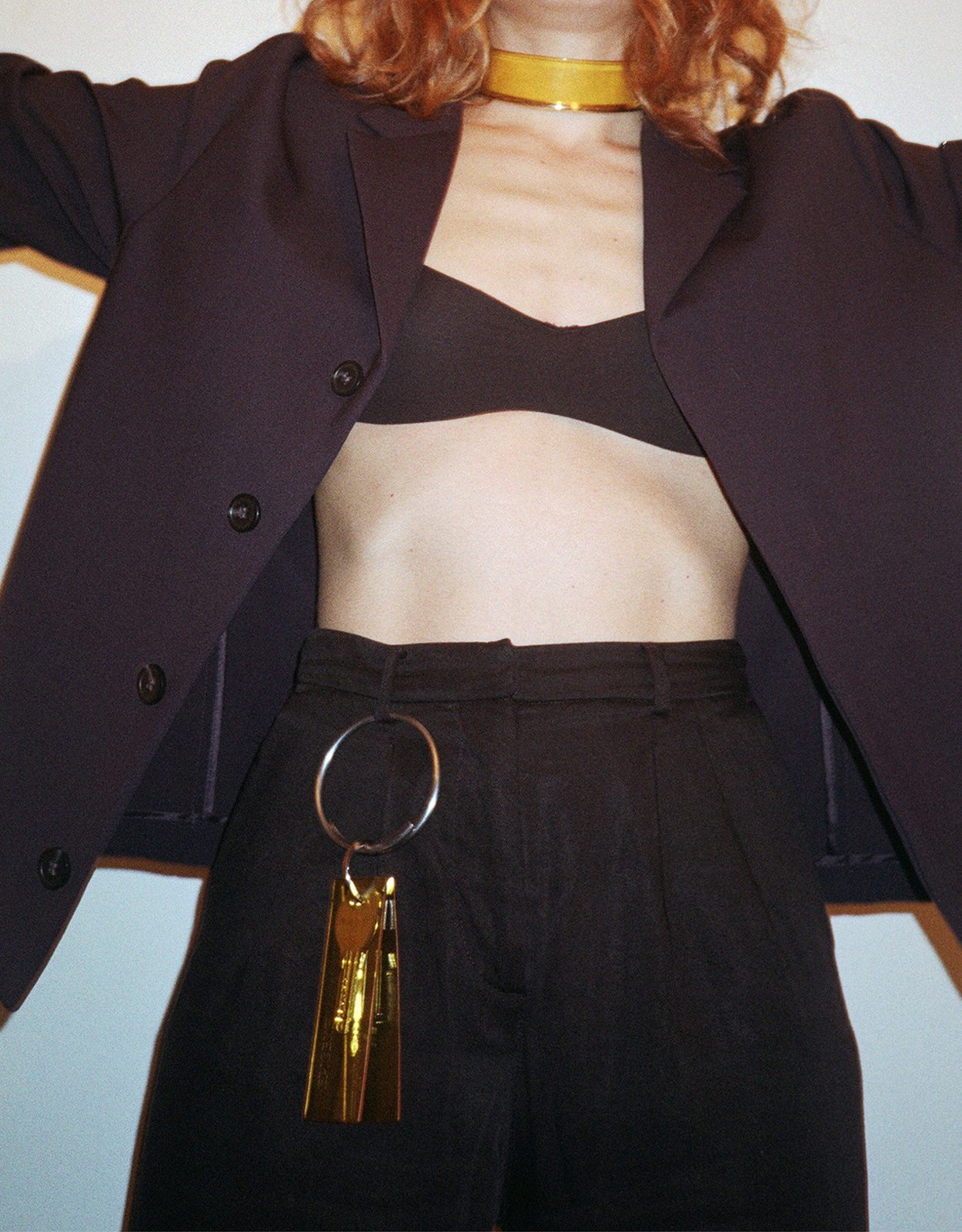
Model + movement, jewelry: Örge Tulga's 2021 collection.


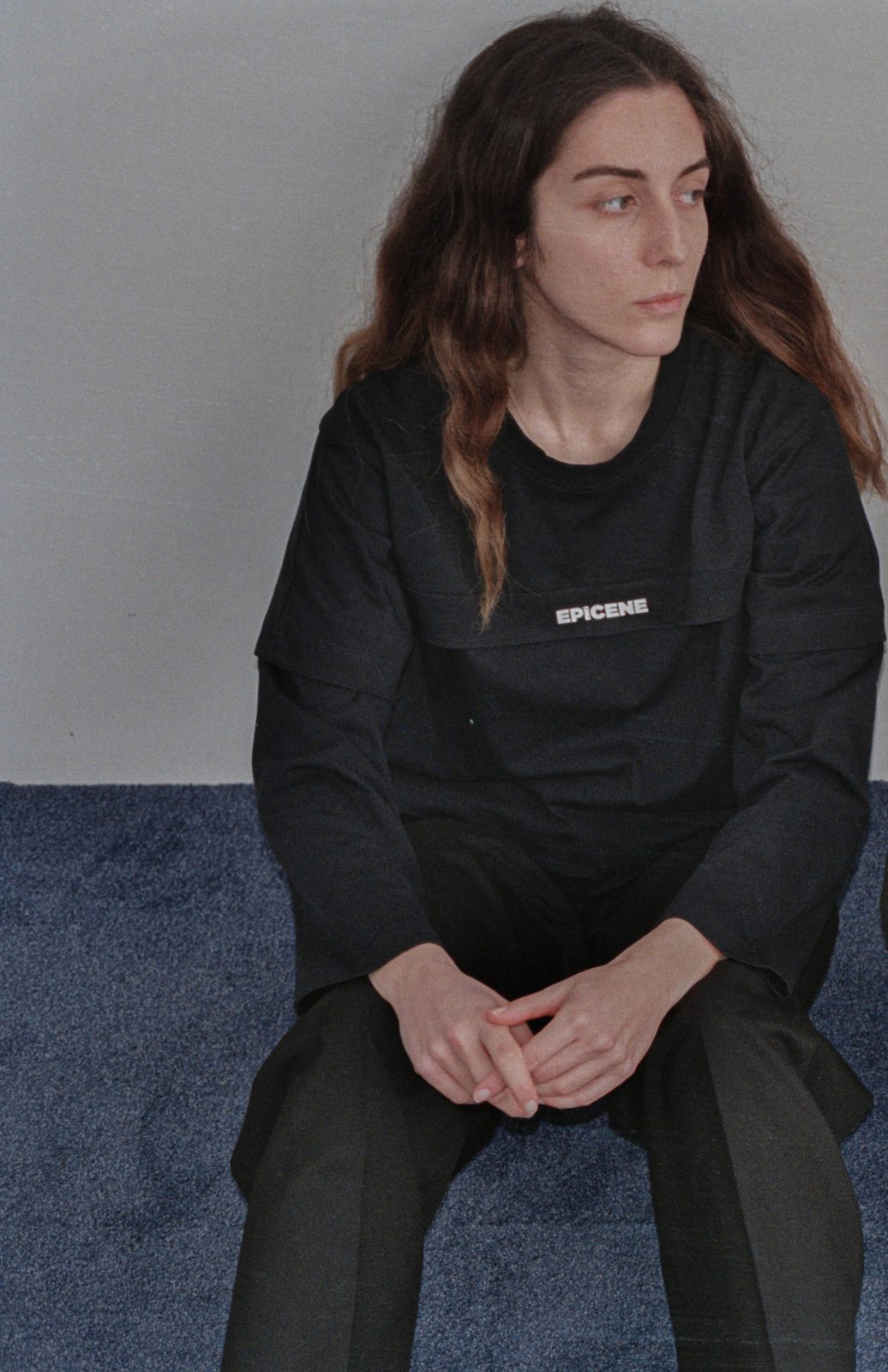
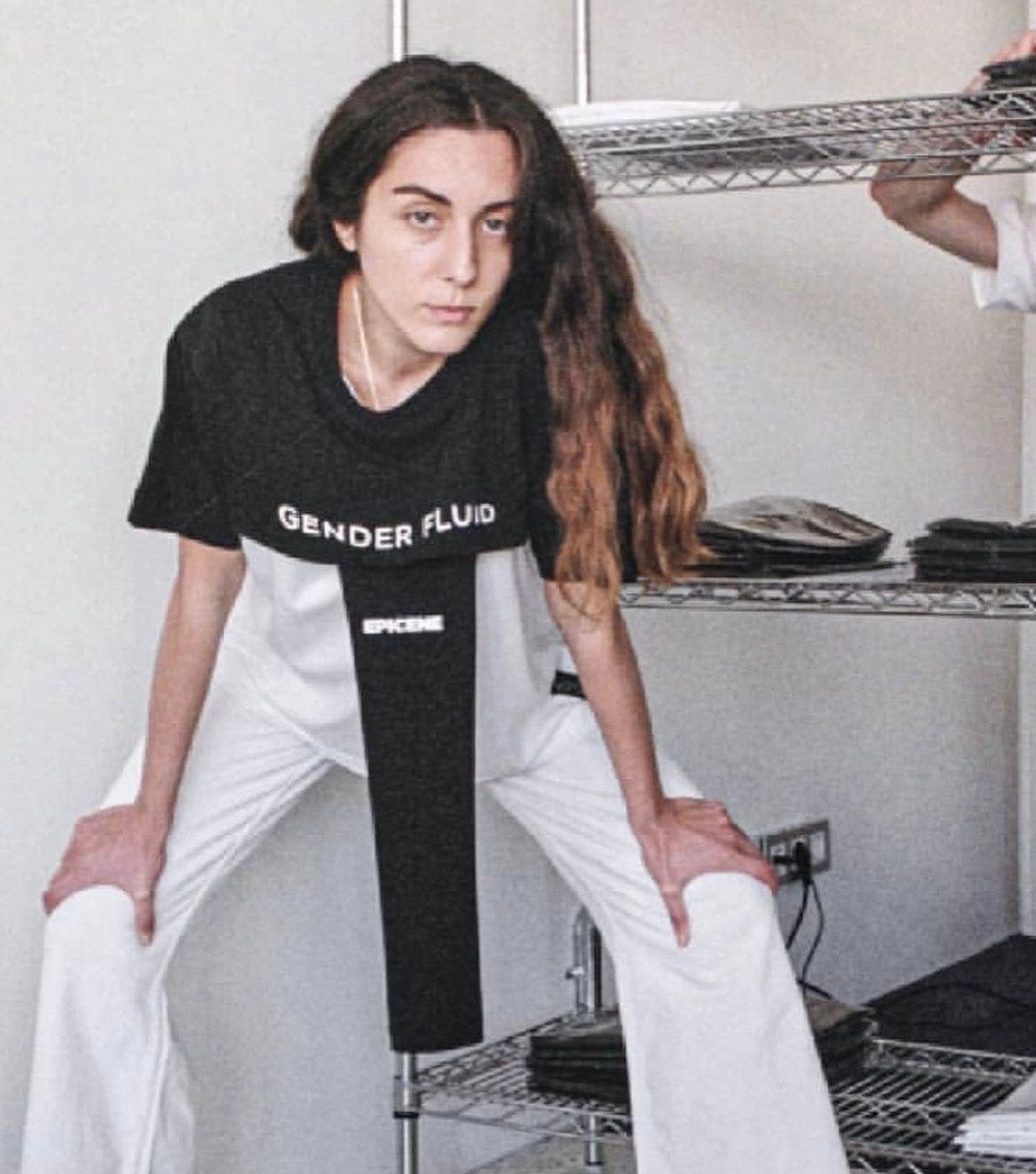
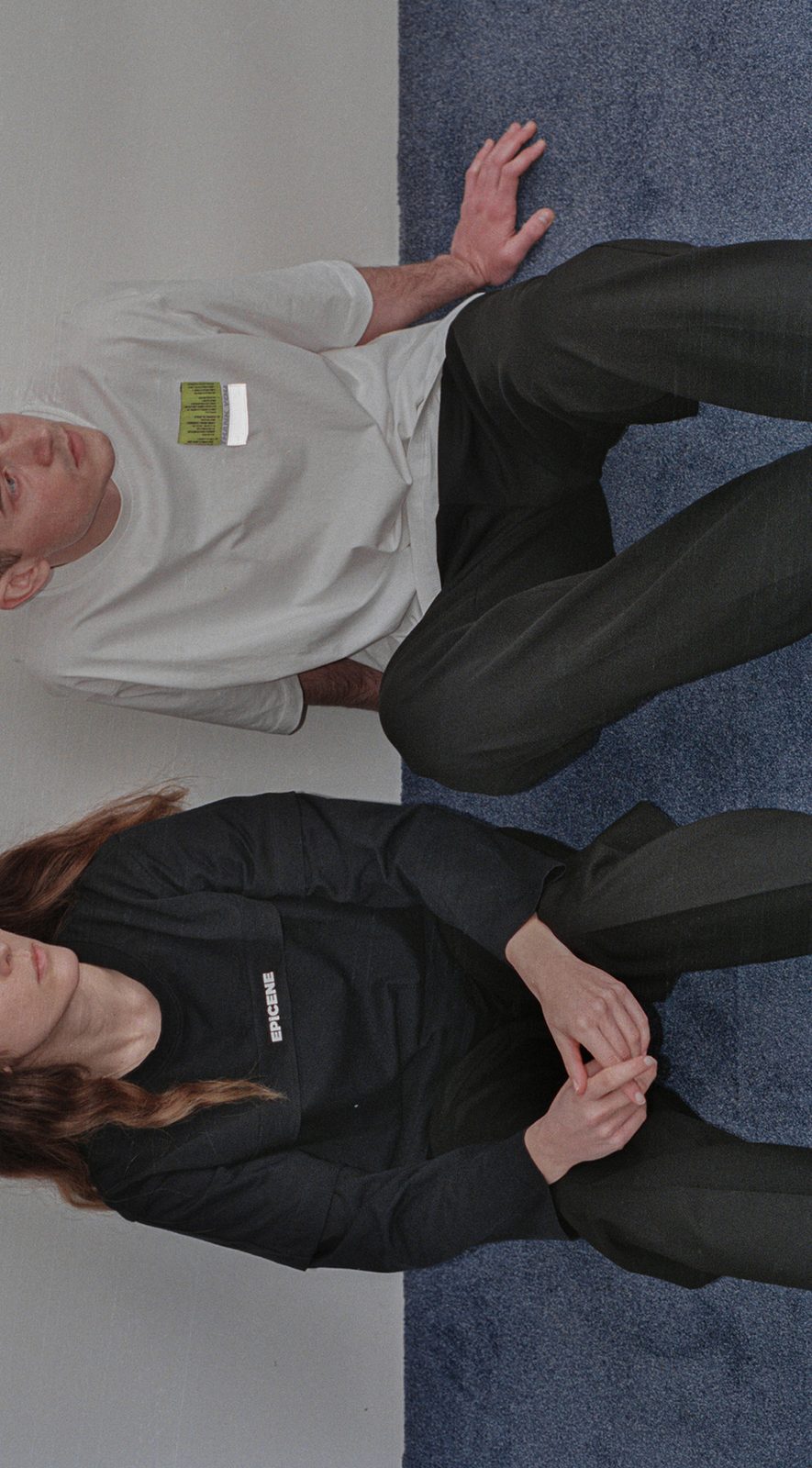
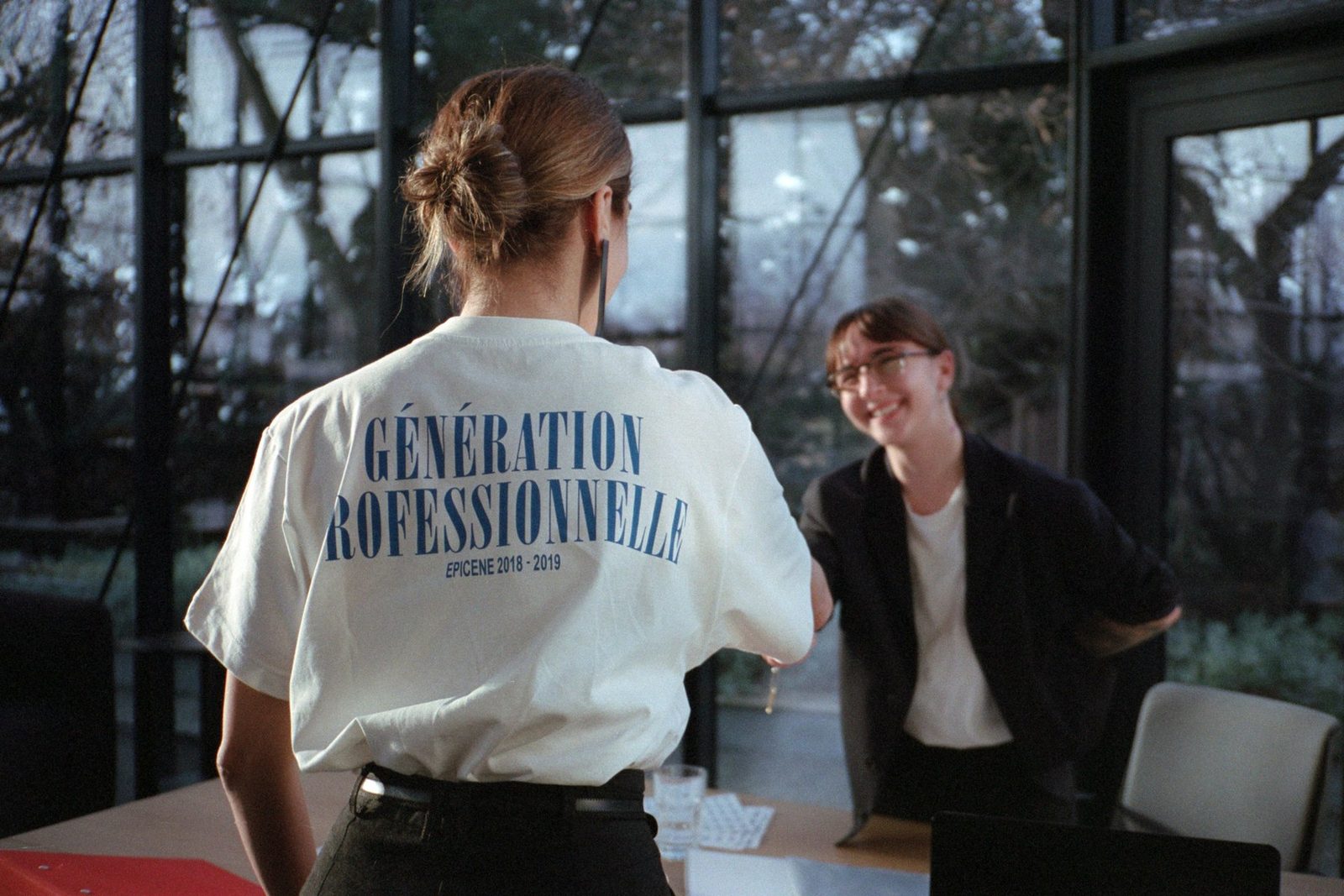
Commercial video and photo series for EPICENE brand 2018/2019/2020 collections.


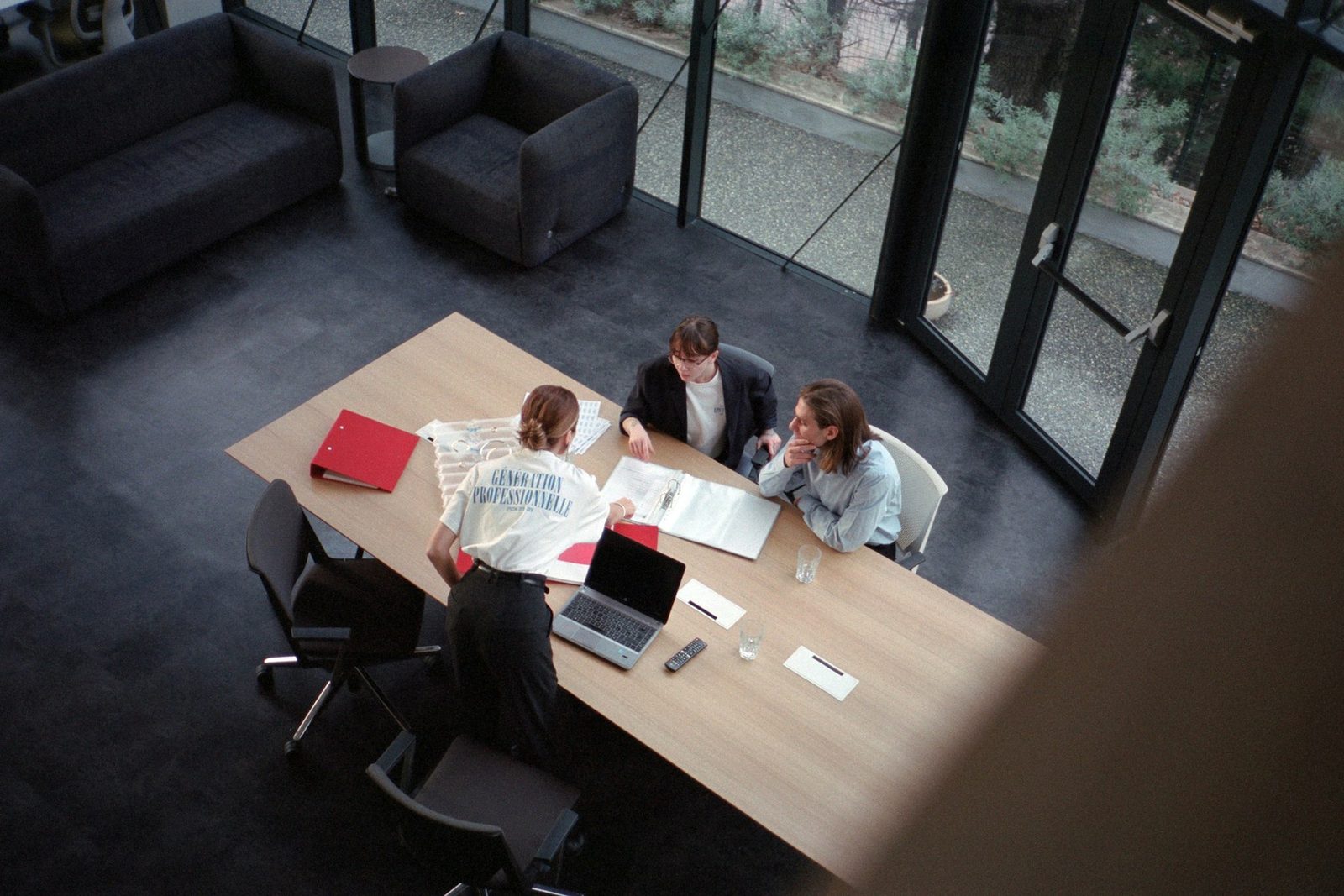
Modeling and performance for eco-conscious brand Tenera 2022 collection.


Dila's writing moves between research and criticism. Her doctoral research at Universidade Católica Portuguesa is on ecosomatics; her earlier papers look at the body in space in Bauhaus dance theatre, Neoplatonic ideas of harmony in Italian Renaissance dance, and the ephemeral nature of her own practice. She also writes dance criticism for Kineo, Unlimited and A Dance Mag.
An analysis of the exhibition Human Animal - ephemeral performance read through the deteriorating nature of food, as a metaphor for bodily and artistic mortality.
In this thesis, I've found the opportunity to observe the body oriented and ephemeral nature of my own art practice which adopt the interdisciplinary approach of two intertwined fields: performance art and contemporary dance. The inevitable annihilation that follows creation made me contemplate about the relationship between art and life. I've recognized the fact, life beginning with birth, slowly approaches death, particularly observed in my works through food. The ephemeral, gradually rotting and perishing nature of food, just like that of a body and artwork, has led me to elaborate on the relationship between food and performance. While the interaction of the body with space constituted the basis of my creations, the creation of a potential performance space has emerged as the core element in my art practice.
Body-space relationships in Bauhaus dance, through Laban and De Certeau, Schlemmer's mechanization and abstraction, and the Triadic Ballet.
In this paper, I will examine the relationship between the body and space in Bauhaus Dance Theatre. First, I will indicate the ideals of Bauhaus, mainly the concept of ‘total theater’ in relation with the ‘total work of art’ (Gesamtkunstwerk). My main intention is to investigate the laws of motion of the human body in space manifested in Bauhaus Dances. I will portray some theories of De Certeau and Laban concerning space and draw connections with ‘Man as Dancer’ (Tänzermensch). The perception of space and its impact on the movements of the body will be given through Schlemmer's article ‘Man and Art Figure’, utilizing notions of abstraction and mechanization. Lastly, I will briefly analyze artificial figures in geometrical space in reference to Schlemmer's Triadic Ballet.
Pythagorean cosmic harmony, Ficino's philosophy and choreographic elements in Botticelli's Primavera.
In this paper, I will investigate the relationship between Neoplatonism and Renaissance Dance. My research covers the Neoplatonic notion of world harmony and unity concerning the subject of Celestial Dance. On the other hand, Pythagorean teachings suggested another concept of cosmos in relation with numbers creating a harmony in music and dance. At the end of the first chapter, I will examine Ficino's Neoplatonism in Italian Renaissance art and discuss its influences on the theory of Italian Renaissance Dance. In the second chapter, I will discuss the role of dance in figural composition and its choreographic nature in reference to Alberti's book, Della Pittura. Later, I will summarize 15th century dance treatises by presenting their main characteristics and terminology. I will also depict one of the great Masters of dance, Guglielmo, and his point of view concerning Renaissance dance. In the last chapter, I will analyze Botticelli's Primavera through the Neoplatonic notion of world harmony and its influence on choreographic capture. I will mainly focus on the depiction of the Three Graces and Venus regarding their explicit and implicit explanations in relation with Neoplatonism and choreography.
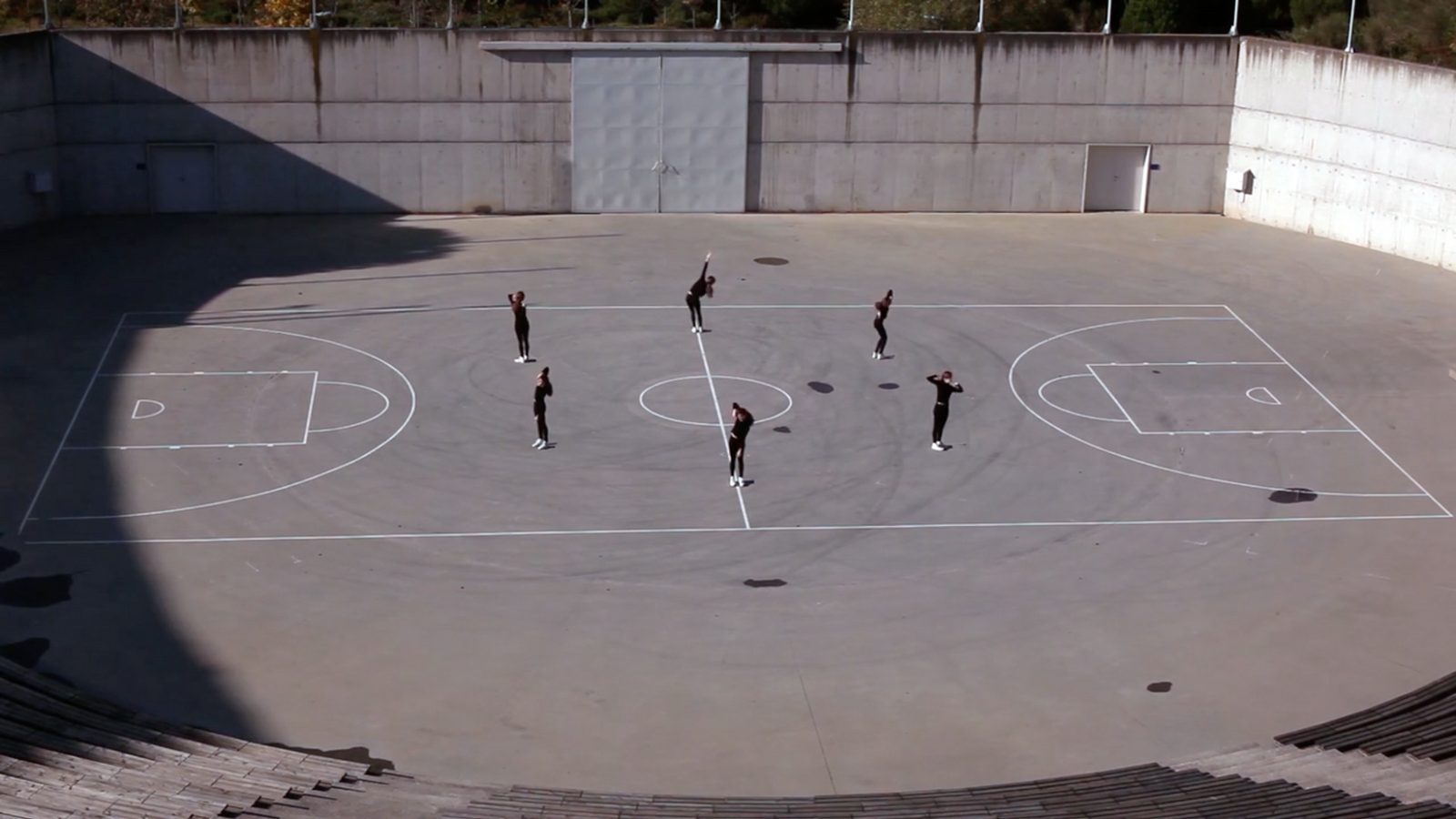
Dila shares her extensive knowledge on embodied practices, encompassing the realms of dance, yoga, meditation and somatic wisdom, all aimed at fostering authenticity and creativity. Through her teachings, she guides individuals in integrating these diverse practices into their lives, helping them connect more deeply with their bodies and unleash their creative potential in a transformative manner.

Rooted in her PhD research on ecosomatics and ecoconsciousness, a Sunday online gathering that approaches nature not as an external landscape but as an extension of the body. The book club explores the relationship between body and ecology through a somatic perspective, guided by contemporary books such as Braiding Sweetgrass and The Mushroom at the End of the World. In each session the group reads selected passages together and slows down through somatic awareness practices, cultivating a space for deep listening and embodied reflection.
At the beginning of each new gathering, the group revisits the impressions and sensations the text has evoked before continuing with the reading and practices, allowing the theories to move beyond the page and resonate within the nervous system.
A method for physical and mental health built on the premise that the core of everything is grounded in love rather than a fear-based approach. Dila developed it over years of accumulated knowledge and diverse experiences: movement and meditation are used to foster a deeper evolution of consciousness, and the practices are integrated into daily life to achieve holistic well-being.
A workshop that pushes the boundaries of both mind and body through the exploration of free movement, drawing on a rich blend of techniques from dance, yoga, qigong and meditation. Going beyond technical analysis, it deconstructs movement and delves into the natural flow, which participants discover and embrace. By exploring the origins of movement and its connection to the senses, participants nourish and enhance their own practices. Also offered as retreats, including in Sri Lanka.
Movement classes for all ages: moving freely, letting go, releasing tension. Somatic methods integrate internal rhythms, build awareness of sensation and regulate the nervous system through movement exploration.
Group gatherings that focus attention through bodily sensation and breath, with guidance on deepening the practice and carrying it into everyday life.
A yin approach: releasing tension in the body while staying stable inside the asana. Working with the body and, at the same time, with uncomfortable thoughts and feelings, practising staying with the unknown.
Deep Listening (GUC Berlin, 2024) was a workshop in collaboration with the pianist Gülru Ensari, exploring interconnectedness through somatic work, listening practices, Taoist and yin bodywork, and breath exercises.
“The space that Love over Fear creates for emotions to simply be present without pushing or pulling is very valuable. Dila’s readings, guidance, and suggestions open wonderful doors; allowing us to just be and soften, and sometimes to sit and reflect.”
Anı